

 Latest editorial

Energy giants to be taxed less as New Year’s Day fuel price cap increase hits young and disabled people hardest during a cold snap
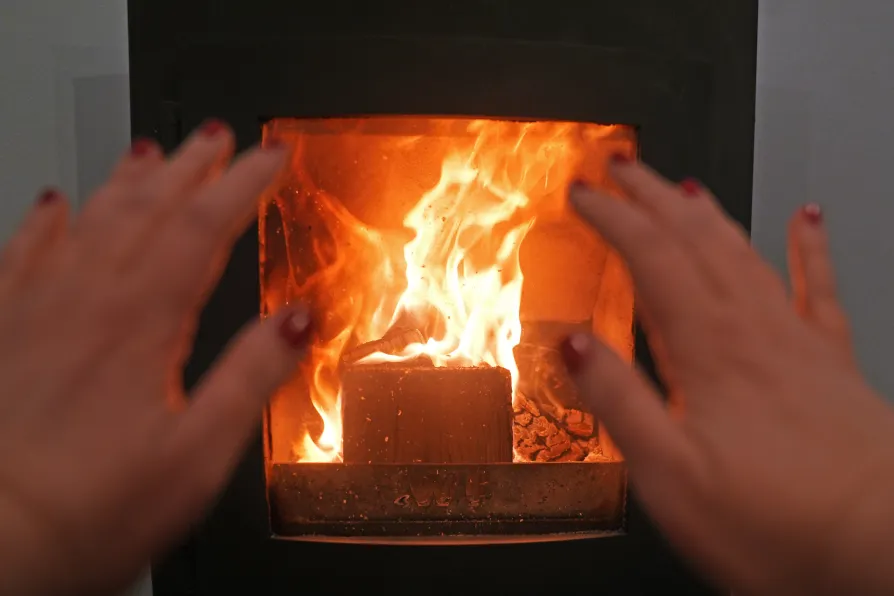 A person warms their hands on a wood-burning stove at a home in Whimple, East Devon, January 10, 2025





ENERGY giants will be taxed less as a New Year’s Day fuel price cap increase hits young families and disabled people the hardest during a cold snap, campaigners have warned.
Average bills will rise despite falling wholesale prices, while a swathe of cold health alerts is in force across Britain.
Today’s 0.2 per cent increase to Ofgem’s energy price cap will equate to a rise of about 28p a month for the average household in England, Wales and Scotland remaining on a standard variable tariff.
But detailed price cap documents show profiteering suppliers rake in millions of pounds of extra profit thanks to an earning tax reduction built into the cap.
The Earnings Before Interest and Tax (EBIT) allowance will rise by £1.51 per household — by 4 per cent — from January to March, the End Fuel Poverty Coalition found.
Average bills will also remain almost £700 higher than before the energy crisis when measures aimed at reducing bills announced in the Autumn Budget come into effect in April.
Coalition co-ordinator Simon Francis said: “It really is a case of every little doesn’t help as cold weather grips the country and the price cap nudges upward.
“Households are facing their fifth winter of unaffordable energy bills. For millions of people, this cold isn’t an inconvenience, it’s a real risk to health and safety as they struggle to keep homes warm.
“More households are being pushed into cold, damp homes where cutting back on heating, delaying repairs and blocking ventilation increases the danger of carbon monoxide exposure.
“At the same time, the energy industry has made more than £125 billion in UK profits since 2020, including firms operating in a declining North Sea.
“Ministers must act now by funding the Warm Homes Plan, fixing energy pricing and introducing a fair social tariff so people can stay safe every winter.”
Polling shows 29 per cent of adults say they are unable to keep their home at the recommended minimum temperature of 18°C.
One in seven adults consider themselves to live in cold, damp homes — with much higher rates among low-income households, families with children and people with long-term health conditions, Opinium research revealed.
Among those living in cold, damp homes, 18 per cent say they have experienced high levels of carbon monoxide in their home in the past 12 months.
Unite general secretary Sharon Graham said: “Heating and electricity bills will rise again this winter while energy companies continue to rake in obscene profits.
“Why is it always workers and communities that have to pay? These are the wrong choices when there is an overwhelming case for taking energy out of the hands of the profiteers and owning it ourselves.
“Unite has shown that £500 of every energy bill goes straight to energy company profits. If the government is serious about bringing down bills, it must tackle corporate profiteering. We need to bring back public ownership of our energy system, starting with the grid.”
A spokeswoman for Momentum said: “On 1st January, energy bills prices are due to increase once more, ratcheting up the cost of living crisis for millions of people.
“Meanwhile, companies continue to make obscene profits in the tens of billions on the backs of struggling families. This cannot continue.
“According to a YouGov survey conducted in 2024, around 71 per cent of voters believe energy companies should be run in the public sector. We must put people before profit by backing public ownership of our major energy companies.”
Ofgem said that the increase in the cap, which was announced in November, was being driven by the funding of nuclear power projects and discounts to some households’ winter bills.
An increase to standing charges — the amount consumers pay per day to have energy supplied to their homes — was also largely due to costs linked to the government’s Warm Home Discount scheme.
Ofgem’s price cap sets a maximum rate per unit and a standing charge that customers can be billed when they are not on a fixed tariff.
The increase comes just as a yellow warning for snow and ice has been issued for parts of Scotland north of the central belt from 6am on New Year’s Day until midnight on January 2.
Amber cold health alerts have been issued for north-east and north-west of England and are due to remain in place until noon on January 5, with temperatures expected to fall to 3-5°C.
Yellow cold health alerts have been issued by the UK Health Security Agency (UKHSA) for London and the east, south-east and south-west of England, as well as the East and West Midlands and Yorkshire and the Humber.
Which? energy editor Emily Seymour said: “If you’re on a variable tariff, make sure to submit a meter reading to ensure you pay the cheaper rates for any energy used before the new price cap takes effect.”
