


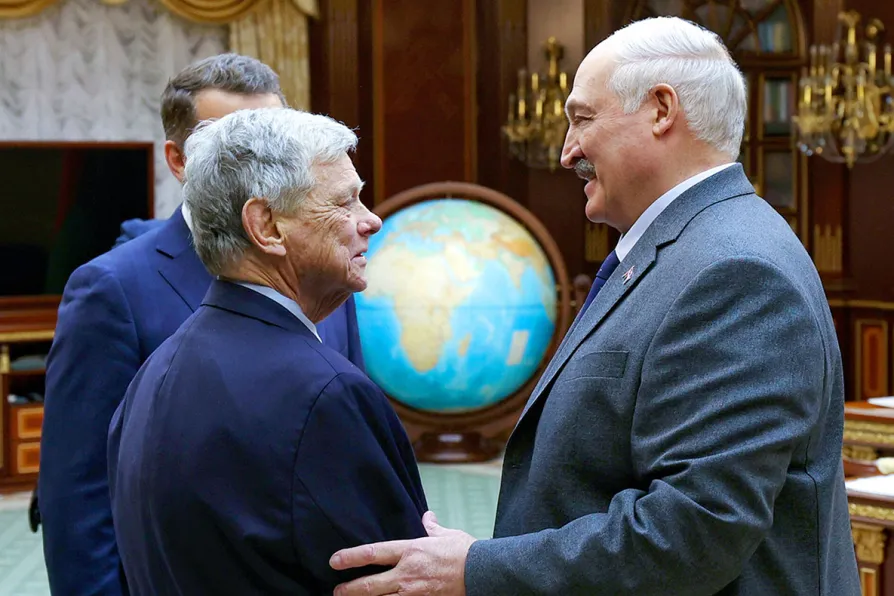
 In this photo released by Belarusian presidential press service, Belarusian President Alexander Lukashenko (right) and U.S. Presidential envoy John Coale shake hands during their meeting in Minsk, Belarus, December 12, 2025. Photo: Belarusian Presidential





BELARUS has freed 123 prisoners, including Nobel Peace Prize winner Ales Bialiatski and opposition figure Maria Kolesnikova, in exchange for sanctions relief from the United States.
US special envoy John Coale announced on Saturday that Washington would lift sanctions on Belarusian potash exports following talks with President Alexander Lukashenko in Minsk.
Belarus is one of the world’s leading producers of potash, a key fertiliser component.
The release marks Mr Lukashenko’s largest prisoner amnesty in years and follows renewed US engagement with the Belarusian leader, long isolated by Western governments over repression at home and support for Russia’s war in Ukraine.
Ukraine’s prisoner of war co-ordination centre said it received 114 freed detainees from Belarus, including Ukrainian citizens and Belarusian political prisoners.
President Volodymyr Zelensky confirmed that five Ukrainians were among those released.
Exiled opposition leader Sviatlana Tsikhanouskaya welcomed the releases, calling them proof that sanctions can be effective, while demanding that EU sanctions should remain in place.

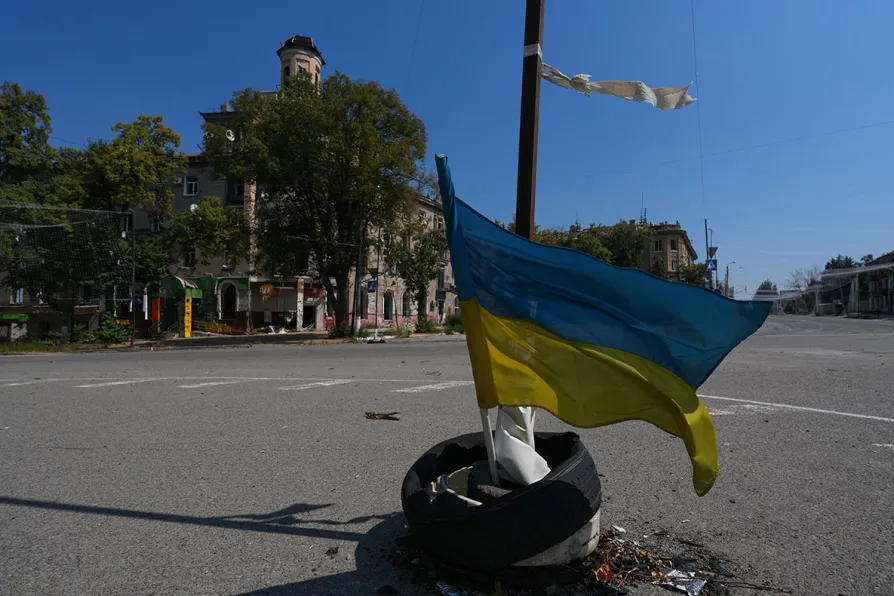
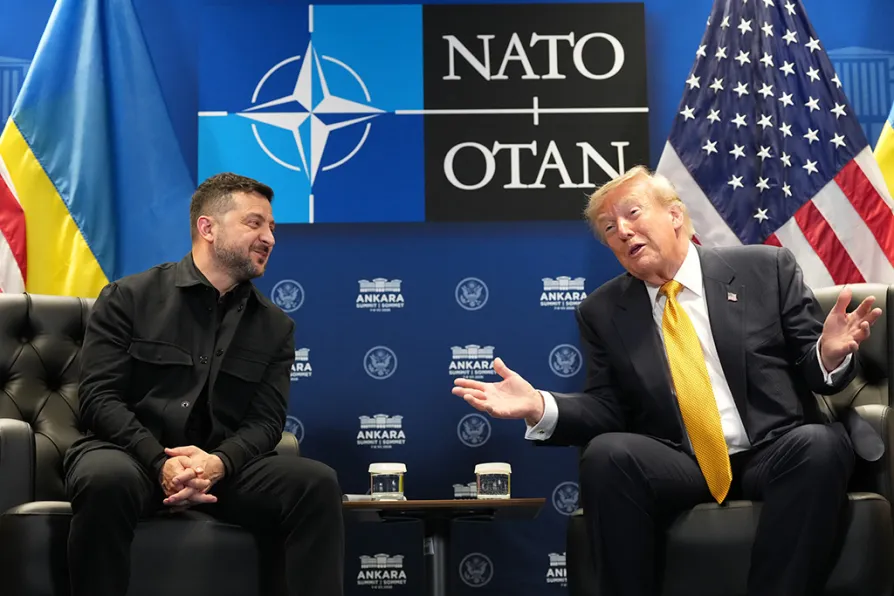
Andy Burnham offers unconditional support for Zelensky but no solutions to the underlying conflict between the Nato/EU bloc and Russia, says NICK WRIGHT
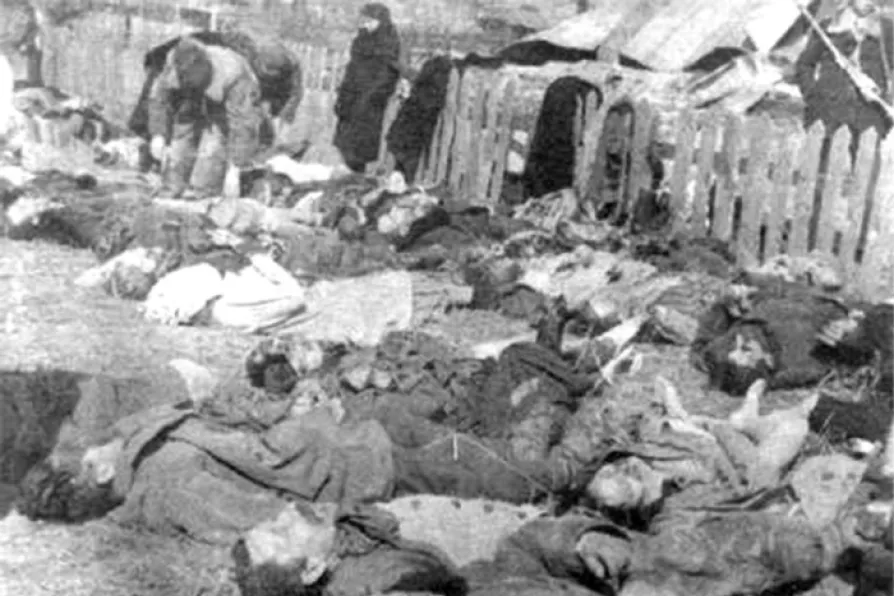
Poland’s anger over Ukraine’s celebration of the Nazi collaborationist UPA reflects more than historical grievance, says KENNY COYLE
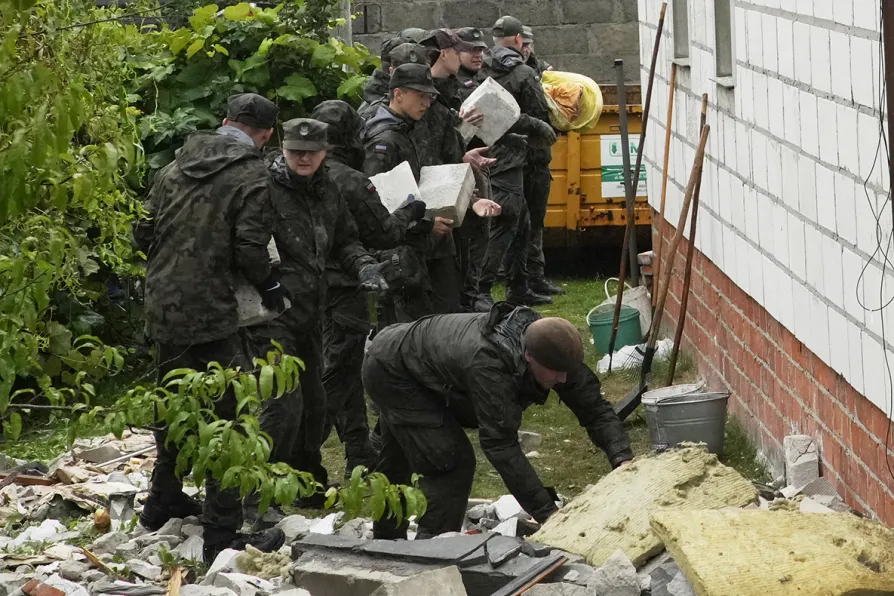
MARK HAZELDEN criticises the Western narrative that the incident was an escalation of Russia’s confrontation with the West, given that Belarus, a Russian ally, warned Poland of off-course drones, and the drones were unarmed, cheap wooden decoys