Growing instability in the US economy and financial markets could have serious consequences worldwide because of the central role of the US dollar and financial system, argues MICHAEL BURKE


 Latest editorial

A political tragedy: Myanmar’s earthquake and the junta
With crematoriums overflowing and rescue workers blocked from reaching hardest-hit regions, the junta is prioritising staying in power over human lives by obstructing aid and waging war, reports EWAN CAMERON
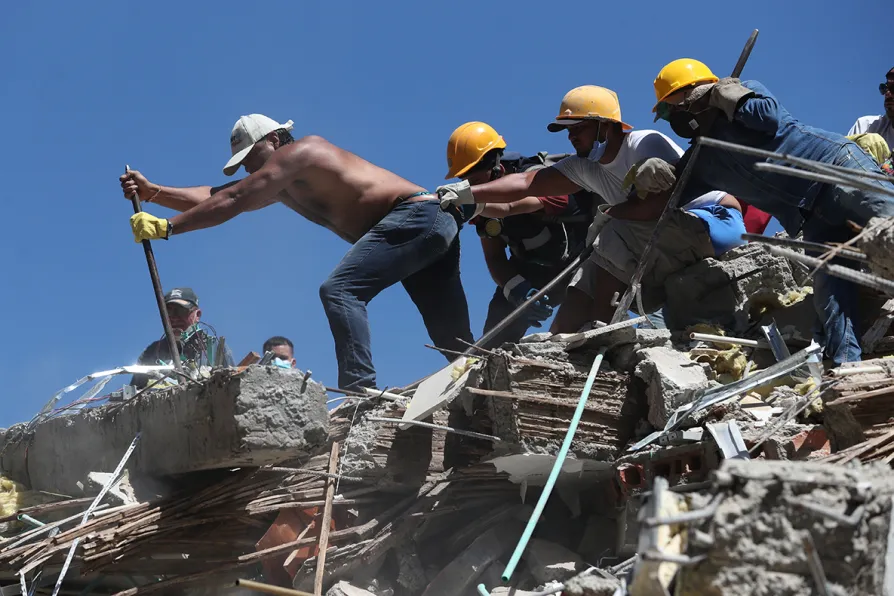
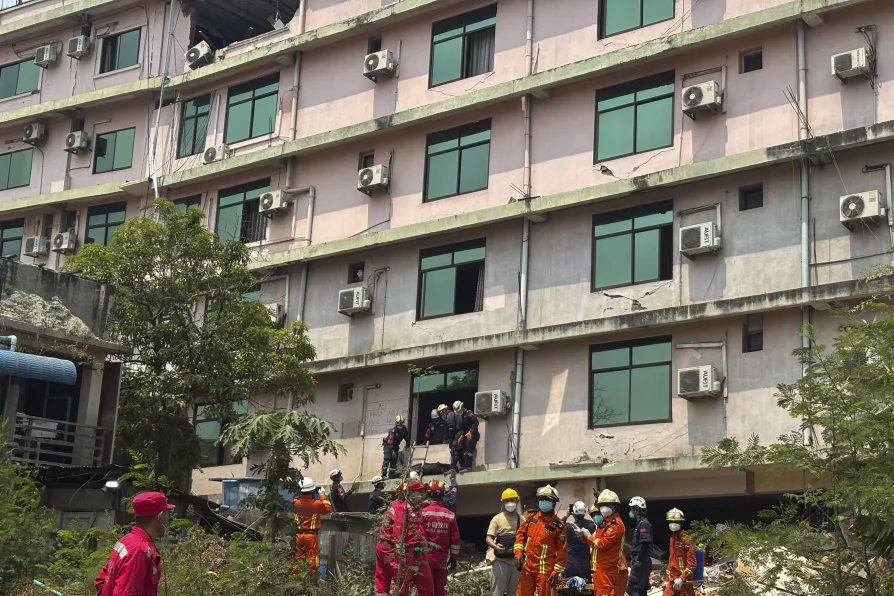 Rescuers carry the body of a victim, from a collapsed building in the aftermath of Friday's earthquake in Mandalay, Myanmar, April 3, 2025

Despite Andy Burnham’s declaration defending the continued partition of the island, all major international and internal trends are converging to make Irish reunification inevitable
The left needs a bold energy vision – because if it fails to provide one, others will shape the future in their own interests, argues ALAN SIMPSON
From Margate to Deal, mining memories are being kept alive. National co-ordinator for General Strike 100, HENRY FOWLER continued his nationwide tour of partner organisations in the Garden of England
Humans are part of the ‘animal kingdom’ – and of nature in general – but also distinct from it and labour (work) is part of what makes us unique, declared Engels. His insights 150 years ago into how our species came to be and how we differ from the rest of nature, are as important today as they were then, says the MARX MEMORIAL LIBRARY
Boxes of books, family photos and heirlooms, labour movement anniversaries, along with nostalgic memories of glorious childhood days on the Ayrshire coast still leave room for a wistful MATT KERR to hope for a better future





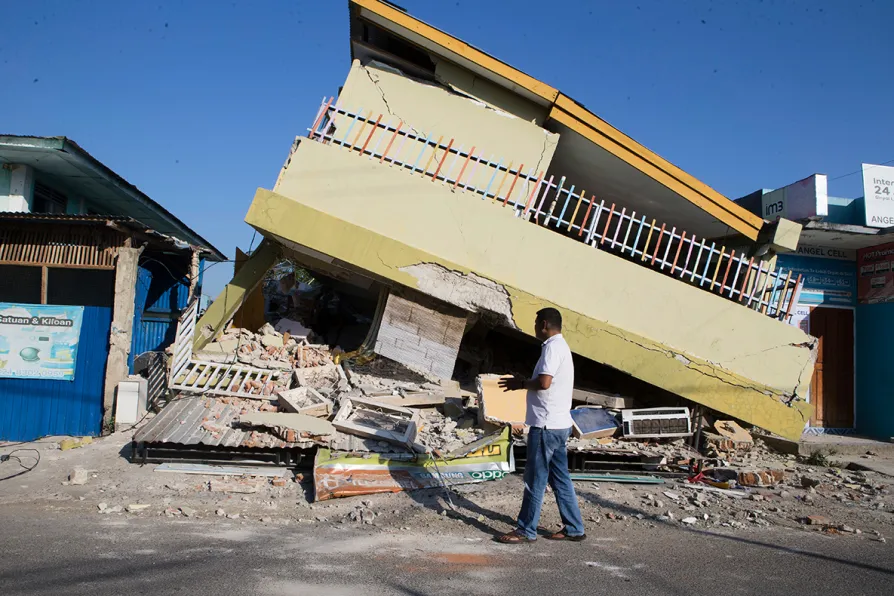
AT around 1pm on Friday March 28, the biggest earthquake for a generation, measuring 7.7 on the Richter scale, sent shockwaves throughout south-east Asia.
Initially, the world’s media focused on Bangkok, where an unfinished tower block collapsed killing dozens, but as news from Myanmar slowly came in, it became clear that the damage there was catastrophic, particularly in the heartland regions of Mandalay and Sagaing as well as the administrative capital Naypyidaw.
Over the last week, the horror stories have rolled in: 200 monks were killed at U Hla Thein Monastery in Mandalay in the middle of their religious exams and around the country many Muslim worshippers were killed during Friday prayers as their mosques were collapsing in on them. In the town of Kyaukse, a preschool building fell and killed at least 20 children.

Similar stories