JAMES NALTON argues that Curtis Jones’s departure leaves Liverpool facing a stark local void as the club’s roots are increasingly swallowed by football’s globalised model



London’s East End, the beating heart of boxing
JOHN WIGHT writes about the fascinating folklore surrounding the place which has been home to some of the most ferocious bareknuckle and unlicensed fighters throughout history
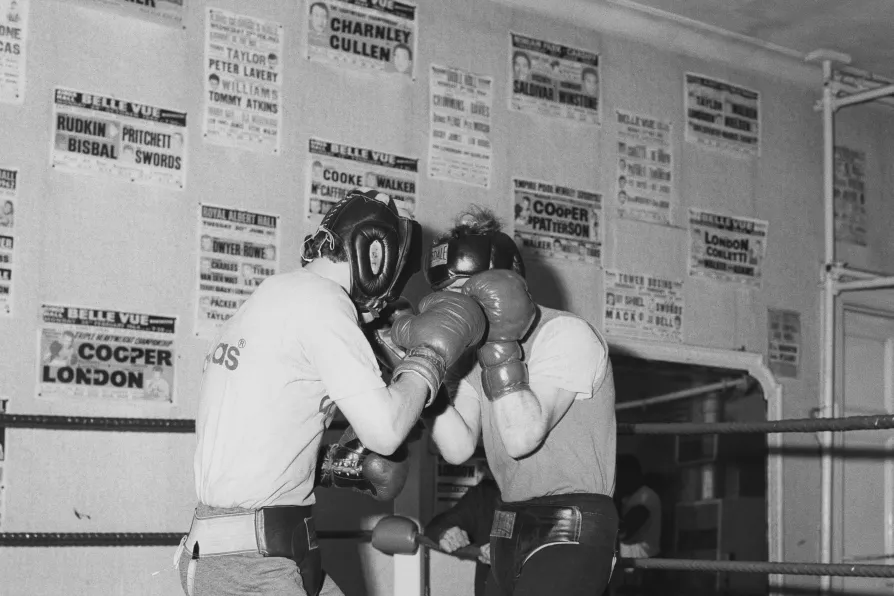
 John H. Stracey (right) who is to defend his European welterweight title against Max Hebeisen of Switzerland, training at the Royal Oak Gymnasium, Canning Town, April 28, 1975

As antisemitism spread across Europe and the United States in the 1920s and 1930s, Benny Leonard and Jack ‘Kid’ Berg became symbols of hope and resilience, writes JOHN WIGHT





THE East End of London has just claim to being considered the beating heart of British boxing. This redoubtable and proud working-class part of the world has been immersed in all kinds of folklore throughout its history, involving gangsters, footballers, performers — and also fighters.
The notorious and overly romanticised Kray twins both had short careers as professional fighters in the early 1950s. From Bethnal Green, they began their respective boxing journeys at the Mile End Arena — an open-air arena located in its day just behind Mile End Tube station. Regarded as a “bear pit” at the time, from there they worked their way up to fighting at the iconic Royal Albert Hall.
Of the two, Reggie established the more impressive record, winning all seven of his professional fights. Ronnie won four and lost two of his six outings before both moved were called up for national service in 1952. The rest where both are concerned is of course history.

Similar stories
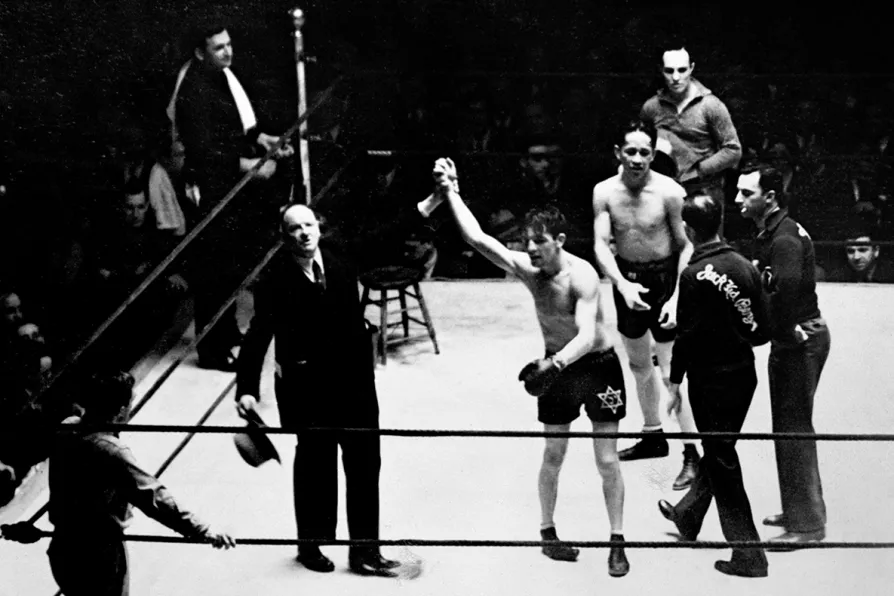
As antisemitism spread across Europe and the United States in the 1920s and 1930s, Benny Leonard and Jack ‘Kid’ Berg became symbols of hope and resilience, writes JOHN WIGHT
JOHN WIGHT meets the former British champion whose greatest battles have been fought outside of the ring
From Barry McGuigan and Carl Frampton to Tyrone McKenna and Lewis Crocker, the city’s fighters carry a complex history into the ring, writes JOHN WIGHT