Committee for the Defence of the Iranian People’s Rights general secretary GAWAIN LITTLE discusses the impact of the US-Israeli war on the Iranian people and economy


 Latest editorial

Solar sells, but need it cost the earth?
It’s sunny times for the solar industry which is expected to continue to grow rapidly — but there are still major environmental issues with how solar cells are made, explain ROX MIDDLETON, LIAM SHAW and MIRIAM GAUNTLETT
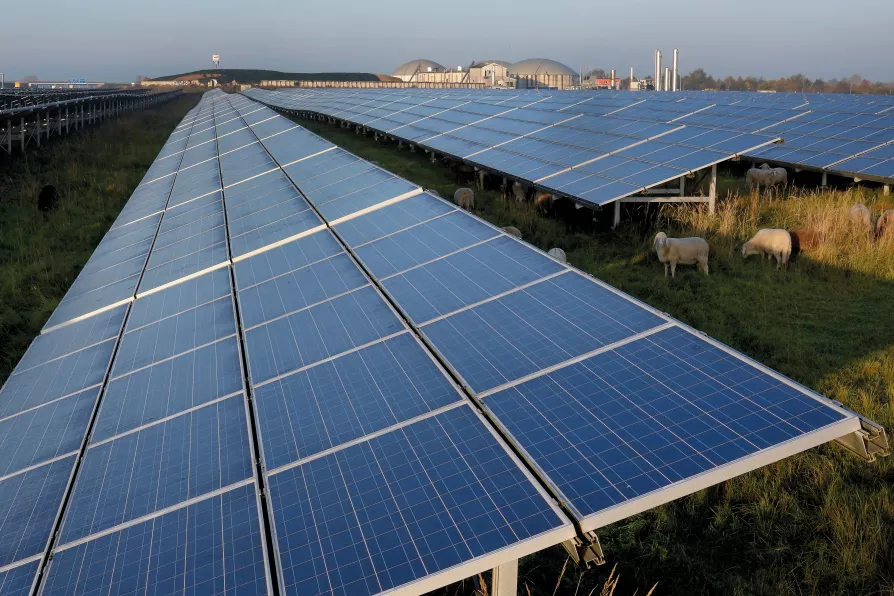 HOW GREEN IS GREEN? Recycling solar cells safely is a major challenge for the growing industry
Capitalism has extracted itself from crisis before, argues PRABHAT PATNAIK – but through methods no longer available. So it is turning to authoritarianism, militarism and neocolonialism
The five young men killed in the A66 crash were responsible for a devastating tragedy — but the crash should force us to ask difficult questions about wider society, argues RENATA MEDEIROS MIRRA
Britain funds the policing of black culture 16 times better than the culture itself. The Diamond Jubilee is the moment to end that, argues CLAUDIA WEBBE
Despite Andy Burnham’s declaration defending the continued partition of the island, all major international and internal trends are converging to make Irish reunification inevitable
Humans are part of the ‘animal kingdom’ – and of nature in general – but also distinct from it and labour (work) is part of what makes us unique, declared Engels. His insights 150 years ago into how our species came to be and how we differ from the rest of nature, are as important today as they were then, says the MARX MEMORIAL LIBRARY





SOLAR CELLS became a serious industry around 2000, when an exponential expansion in their installation began. Since then, they have gone on to make up a whopping — or rather, minuscule — 2 per cent of the global energy market.
They are, however, scheduled for continued extreme growth over the coming years, with the most dramatic predictions forecasting that their share of the energy market could increase to 50 per cent by 2050.
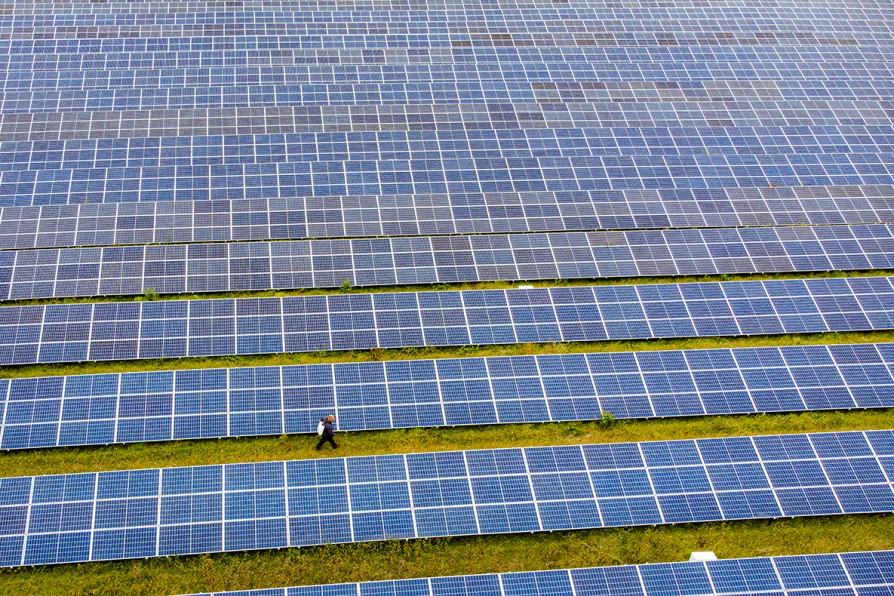
If it were possible to satisfy the entire world’s energy needs with solar power, (this is thought impossible because of the ways some energy must be used and stored) an area approximately the size of Spain would need to be totally covered in solar panels.

Similar stories
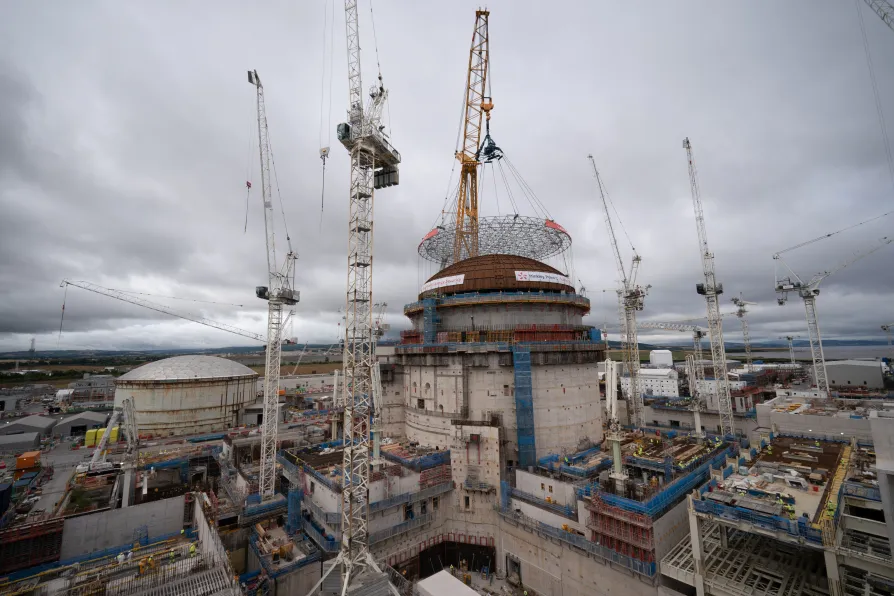
In the third of a four-part serialisation from her new book No to Nuclear, LINDA PENTZ GUNTER explains how the world had a chance to build an energy system around renewables more than 70 years ago — instead, it chose nuclear
In the second of a four-part serialisation from her new book No to Nuclear, LINDA PENTZ GUNTER highlights how the industry is searching for ways to preserve its relevance
![Meat [Pic: Cindie Hansen / Creative Commons]](https://msd11.gn.apc.org/sites/default/files/styles/desktop/public/2026-07/cindie-hansen-8IQlsHB2OS8-unsplash.jpg.webp?itok=AgeMqKnO)
Innovation in biotechnology is changing how we conceive of meat, say ROX MIDDLETON, LIAM SHAW and MIRIAM GAUNTLETT of SCIENCE AND SOCIETY
Neutrinos are so abundant that 400 trillion pass through your body every second. ROX MIDDLETON, LIAM SHAW and MIRIAM GAUNTLETT explain how scientists are seeking to know more about them