

 Latest editorial

Ukraine: Amnesty condemns ban on communists
Kiev court upholds attempt to wipe out party in Ukraine
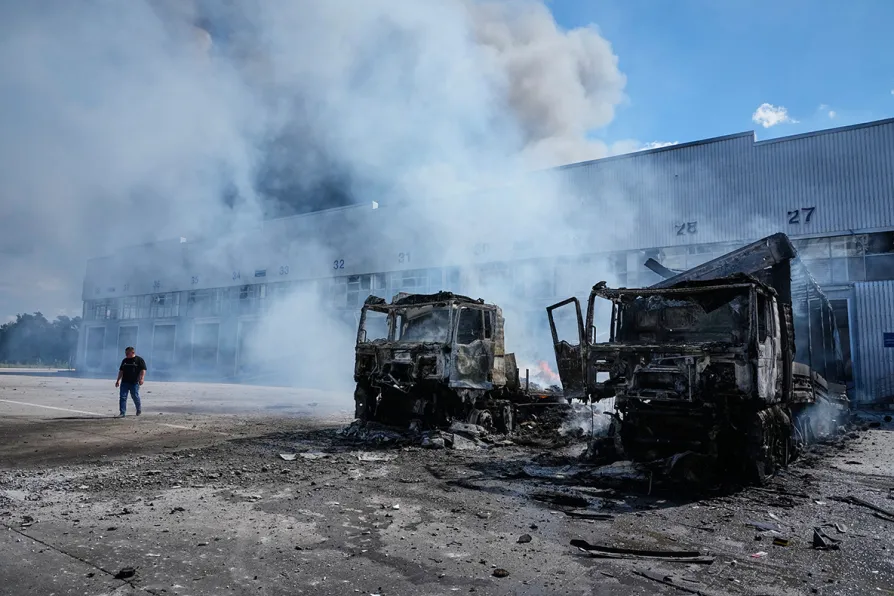





AMNESTY International hit out at Kiev’s banning of the Communist Party of Ukraine (KPU) yesterday as a “decisive blow for freedom of speech in the country.”
The District Administrative Court in the Ukrainian capital upheld the Justice Minister’s decision to ban the KPU on Wednesday, preventing it from operating officially or participate in elections.
“The banning of the Communist Party in Ukraine sets a very dangerous precedent,” said Amnesty’s Europe and Central Asia director John Dalhuisen.
“This move is propelling Ukraine backwards not forwards on its path to reform and greater respect for human rights,” he added.
Amnesty deplored what it called a flagrant violation of freedom of expression and association, demanding its immediate reversal.
Under four new laws adopted in May 2015, collectively known as “decommunisation” measures, displaying communist or nazi symbols invites criminal prosecution and up to 10 years’ imprisonment.
The use of the term “communist” is explicitly prohibited by the legislation. However, the KPU refused to alter its name, logo or constitution.
The KPU accused the regime of seeking to ban the party since it represents the only political opposition.
“The Communist Party opposes the country’s external management and transformation of Ukraine into a colony. It opposes the social policy of genocide imposed by the IMF,” it declared.
“It is against the freezing of salaries and pensions, against raising tariffs, against the theft and corruption that have increased significantly since US State Department henchmen came to power.”
The Kiev authorities’ attempt to equate communism with nazism is entirely bogus, as shown by its decision to approve monuments across the country to war criminal and nazi collaborator Stepan Bandera.
The Ukrainian authorities wanted to ban the KPU last year, accusing it falsely of financing the self-styled people’s republics set up by anti-fascists in eastern Ukraine.
The Security Service claimed to have provided evidence to the Ministry of Justice, which filed a motion to ban the party in July 2014.
No proceedings ever took place because appointed judge Valery Kuzmenko pulled out of the case earlier this year, citing pressure from state forces who had raided his office, confiscating files on the case.

Similar stories
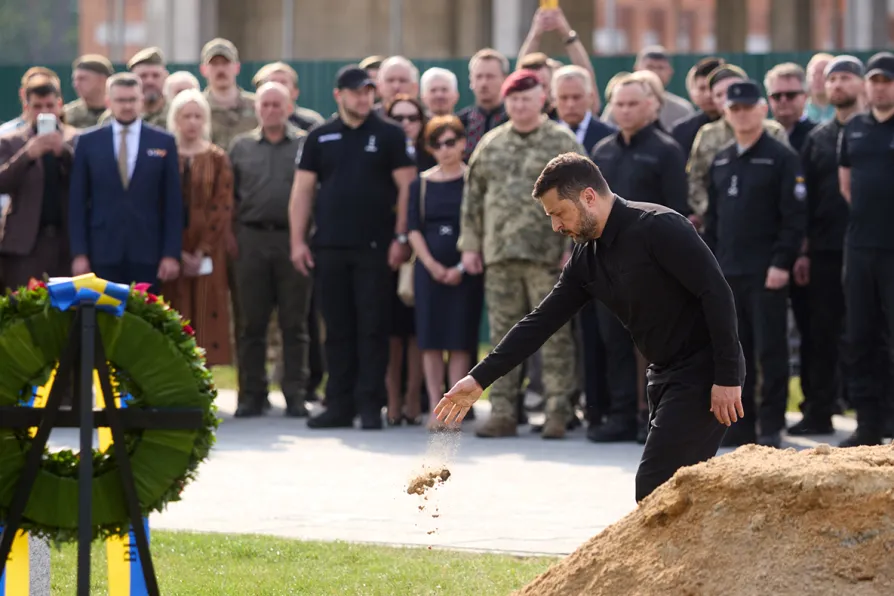
Faced with crises in every direction, Volodymr Zelensky is rewriting his country’s complex history by paying homage to the founding fathers of Ukrainian ultra-nationalism and courting their modern heirs, writes KENNY COYLE
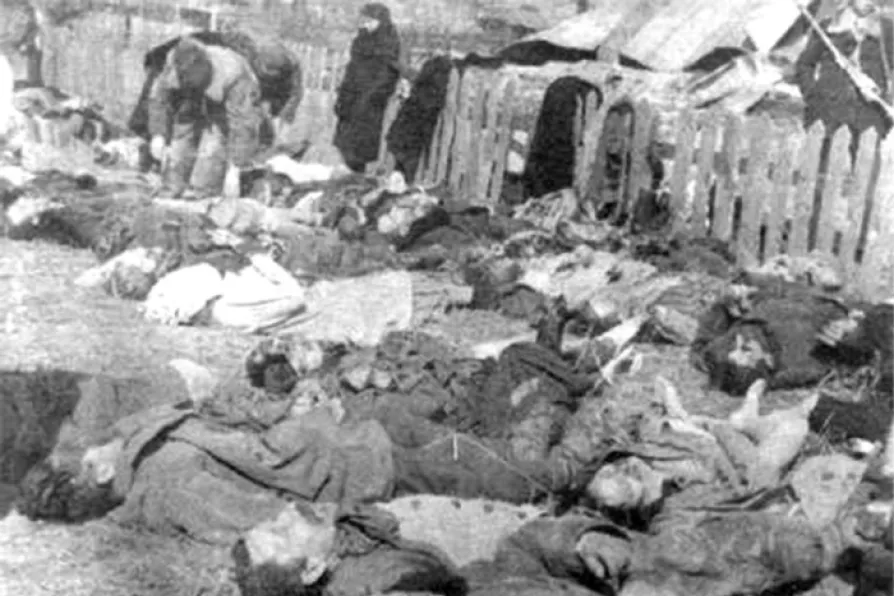
Poland’s anger over Ukraine’s celebration of the Nazi collaborationist UPA reflects more than historical grievance, says KENNY COYLE
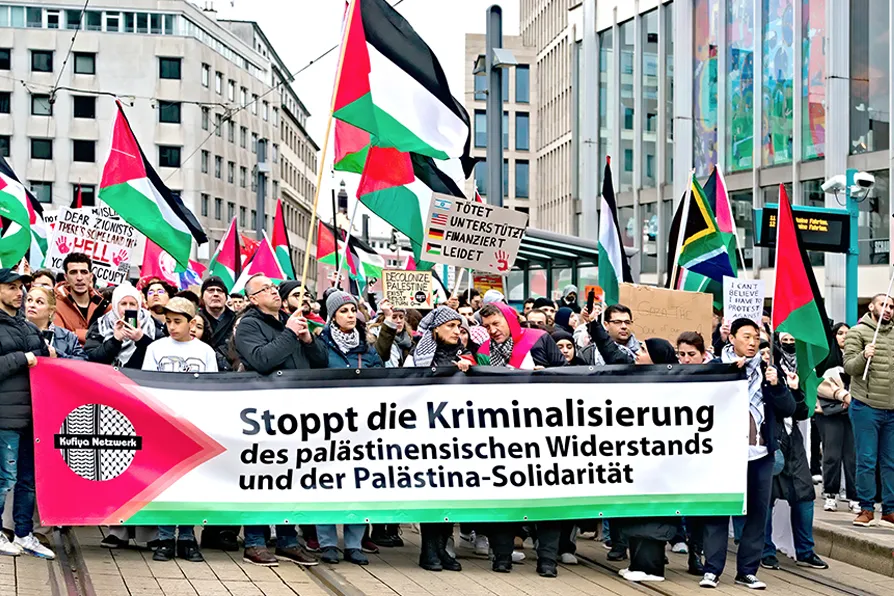
After NGOs and the EU, UN condemns Germany’s crackdown on Palestine Solidarity, writes LEON WYSTRYCHOWSKI