Preferable to Starmer he may be, but there is scant sign of a sharp political break in Burnham’s policies so far — while left challenges aren’t making much of a running either, finds ANDREW MURRAY. How can socialism be put back on the map?


 Latest editorial

A century ago, the working class redefined peace
Issued a day after the Revolution, the Decree on Peace was a supremely revolutionary act of internationalism, writes LIZ PAYNE

CHARLEY ALLAN reports from Clacton on Farage’s fears his by-election stunt has backfired
JEREMY CORBYN says we should never forget the horrific reality of nuclear weapons, or cease our efforts to rid the planet of them entirely
The new TUC Cymru general secretary speaks to Morning Star Wales reporter David Nicholson about her trade union background and ambitions for the movement
Internationalism is deeply embedded in socialist theory and practice. Examination illuminates its complexity asserts the Marx Memorial Library and Workers’ School
The Claudia Sheinbaum government is no pushover and is holding firm despite US abuses of the relationship, says DAVID RABY
As we approach the grim anniversaries of Hiroshima and Nagasaki, SIMON BARROW sounds the alarm over the dangerous and murderous direction our government is heading





TODAY marks a very special centenary within our celebrations marking the events of the great October socialist revolution in Russia in 1917, one which is of crucial significance in respect of our struggles against the devastation brought about by imperialism and its catastrophic interventions and wars in our own time.
On November 8 1917, the day following the establishment of the workers’ and peasants’ government, the second All-Russia Congress of Soviets of Workers’ and Soldiers’ Deputies in Petrograd, which now had state power, issued its “Decree on Peace.”
So fundamental was the ending of the inter-imperialist first world war to the future of the peoples of Russia and the peoples of all belligerent countries that it was articulated as a first priority of the first workers’ state in the first 24 hours of its existence.

Similar stories

Internationalism is deeply embedded in socialist theory and practice. Examination illuminates its complexity asserts the Marx Memorial Library and Workers’ School

British military spending is among the highest in the world, diverts scarce resources from far better causes and fuels international conflict. It’s time we made different choices, argues LIZ PAYNE
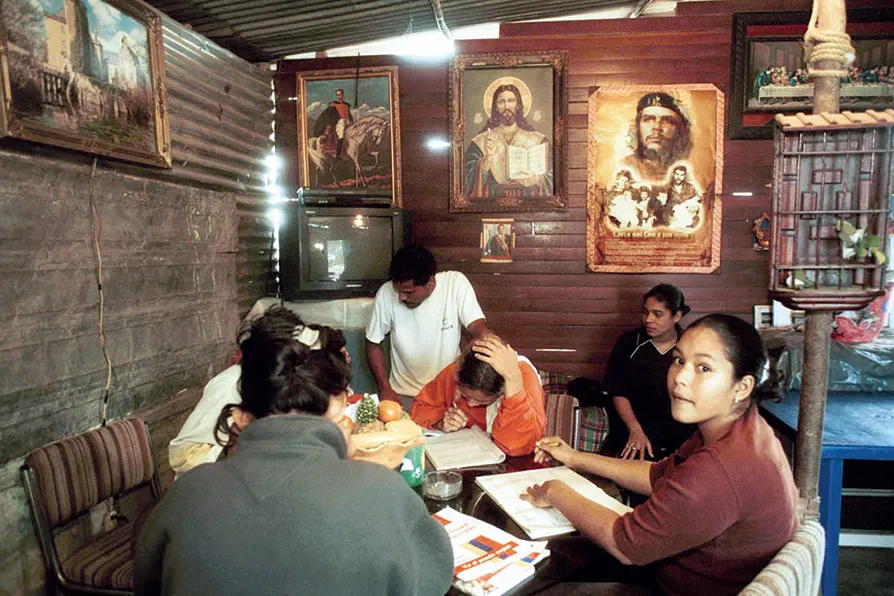
ISAAC SANEY points to the global stakes involved in defending the Cuban revolution against imperialism and calls for resistance
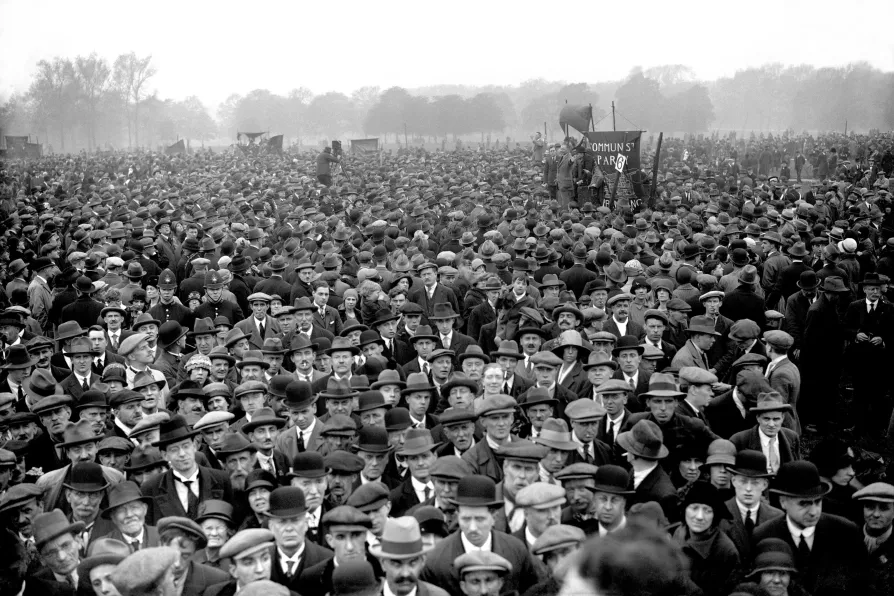
BEN CHACKO says in different ways, the centenary of the General Strike and that of Fidel Castro’s birth point to priority tasks for the British left in the coming year