The campaign against the Bank of England’s ongoing theft of Venezuelan gold is gaining support across the labour movement and beyond, writes MATT WILLGRESS


 Latest editorial

The trade unionist battle that beat a Tory government
ROGER SUTTON writes ahead of tomorrow’s 45th anniversary celebration of the Pentonville Five’s release

The new Prime Minister must abandon decades of automatic support for US foreign policy, which makes us all less safe, argues DIANE ABBOTT MP
Claims that Nicaragua has abolished elections followed a headline that stripped Daniel Ortega’s remarks of their historical and political context. The full speech tells a different story, says BECCA RENK FOSTER
Media Lens at 25: David Cromwell and David Edwards reflect on a quarter-century of media criticism, explaining why independent journalism is more important than ever
MAT COWARD introduces some of the electoral oddballs of the political fringe who remain one of the liveliest features of British democracy, despite efforts to abolish them
by Weyman Bennett and Maz’s family





IN THE fight against today’s anti-union laws and other battles to defend public services and jobs, the Pentonville Five victory of 1972 is regularly cited as an example of how workers can win.
Its importance is increasingly being recognised in analysis of our history. It recognises that, like all our struggles, it was built on the back of years of hard organising and battling.
But it is also important to understand what really happened, it’s essential rank-and-file nature, what the ruling class learnt from it and how Pentonville can give us practical inspiration today.

Similar stories

In the FBU we are showing that when we’re prepared to fight, we can win — let’s deliver for future generations and defeat the far right, argues STEVE WRIGHT
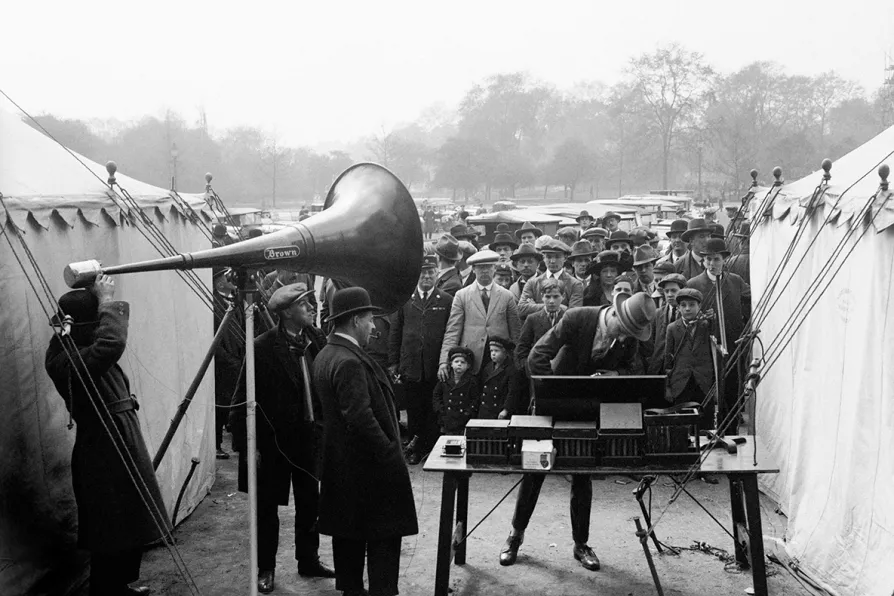
The General Strike exposed the power of the working class — and the limits of its leadership, writes Dr DYLAN MURPHY
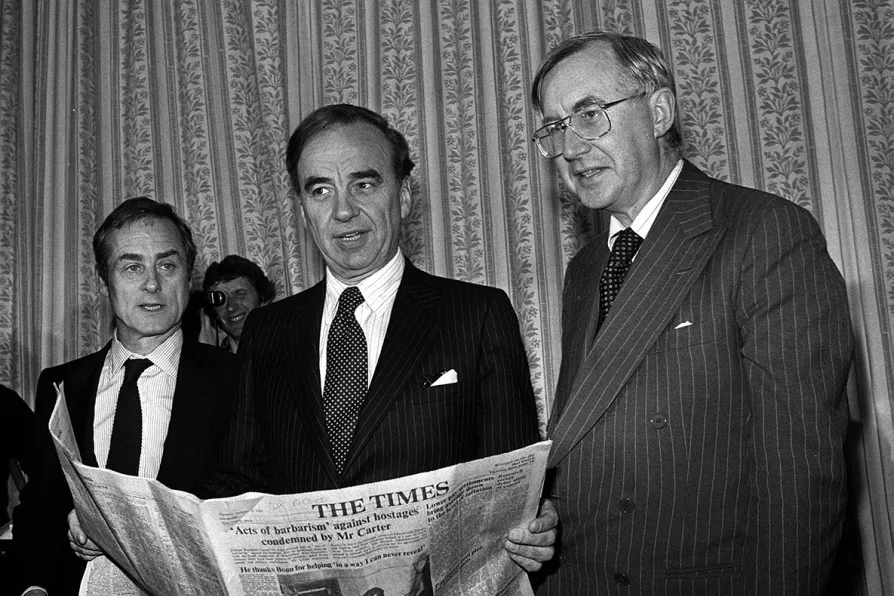
Four decades on, the Wapping dispute stands as both a heroic act of resistance and a decisive moment in the long campaign to break trade union power. Lord JOHN HENDY KC looks back on the events of 1986
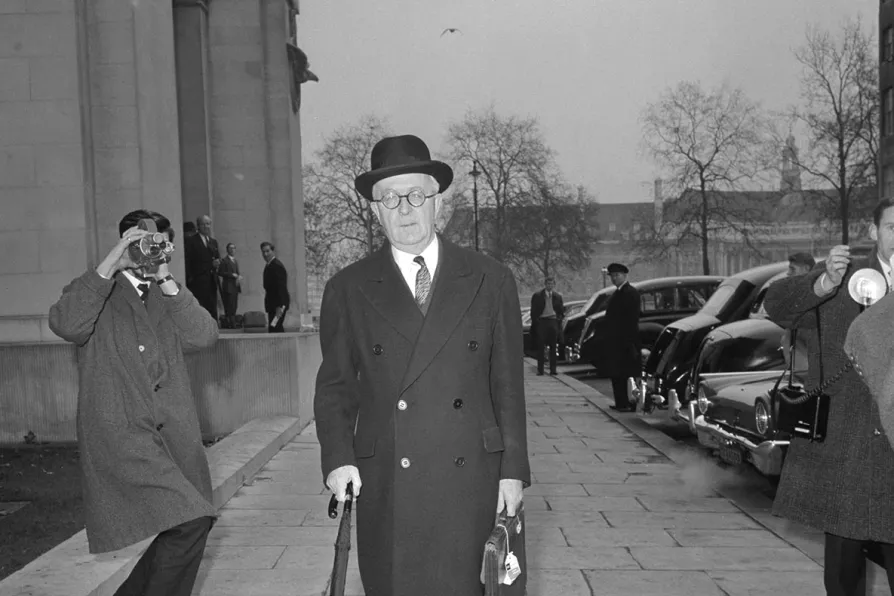
In part II of a serialisation of his new book, JOHN McINALLY explores how witch-hunting drives took hold in the Civil Service as the cold war emerged in the wake of WWII