The new Prime Minister must abandon decades of automatic support for US foreign policy, which makes us all less safe, argues DIANE ABBOTT MP


 Latest editorial

The beginning of the end of World War One
JOHN ELLISON remembers the momentous February of 1918 and the dramatic issues on the political agenda of the day
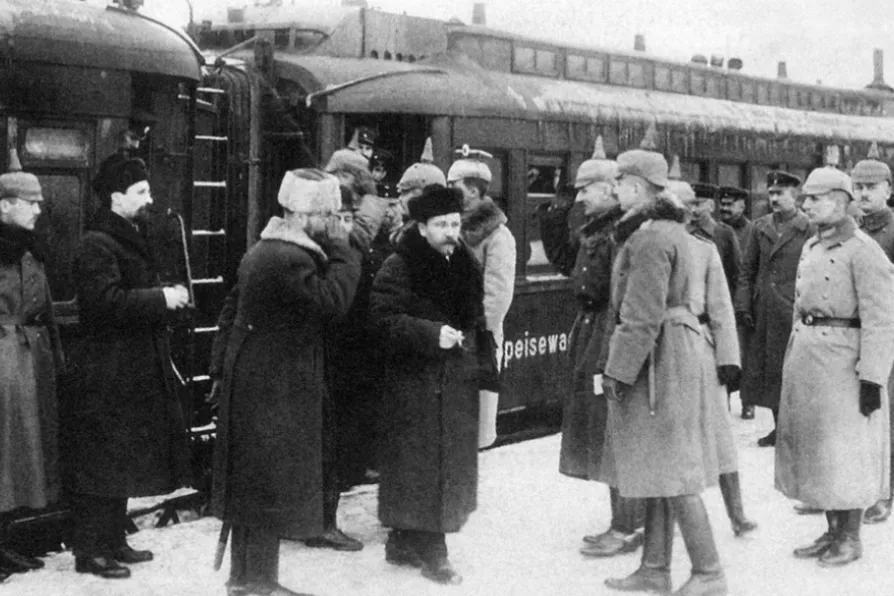 Treaty of Brest-Litovsk – officers from the staff of Field Marshall von Hindenburg meet the delegation of Soviet Russia, Lev Kamenev (centre)

Media Lens at 25: David Cromwell and David Edwards reflect on a quarter-century of media criticism, explaining why independent journalism is more important than ever
by Weyman Bennett and Maz’s family
The International Court of Justice has delivered its clearest ruling yet that the right to strike is protected under international law, write Professor TONIA NOVITZ, Professor KEITH EWING and Lord JOHN HENDY KC
Emergency phone alerts could help Britain respond to rising wildfire risk, but Australia’s experience suggests they work best as part of a broader strategy, write ELLIOT CONVERY-FISHER and KATE PARKINS
A champion motorcyclist, trade union organiser and communist, Clem Beckett went from Britain’s speedway tracks to the battlefields of Spain, where he gave his life resisting Franco’s forces at Jarama. GEOFF BOTTOMS pays tribute to this remarkable anti-fascist





As February 1918 opened its doors, the heart-warming effect of the case for peace and socialism advanced by the Bolshevik revolution and delivered in person by ambassador Maxim Litvinov — to rapturous applause at late January’s Nottingham Labour conference — was much felt in labour movement circles.
The Herald declared, moreover, that the conference had killed “jingoism” and that “no-one talked of crushing Germany,” but the war went on.
“Post rushing, trench raiding and patrol conflicts remain the limited items of infantry activity these times,” declared the Liberal Daily News on February 6, but deaths, wounds and other usual front-line sufferings were plentiful and there was a justified general expectation that a major German offensive was coming soon.

Similar stories
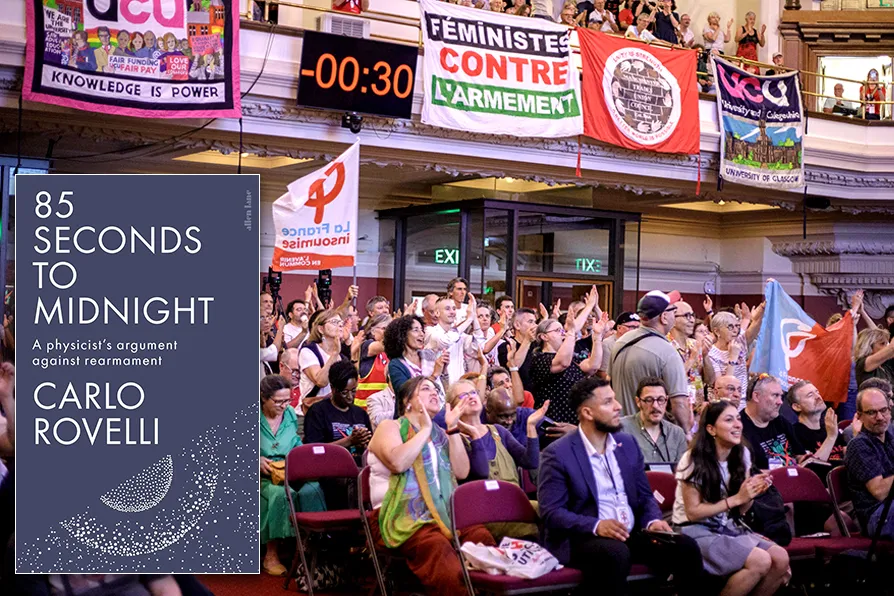
JENNIE WALSH reviews an urgent political intervention by physicist Carlo Rovelli at a time of escalating militarisation and war
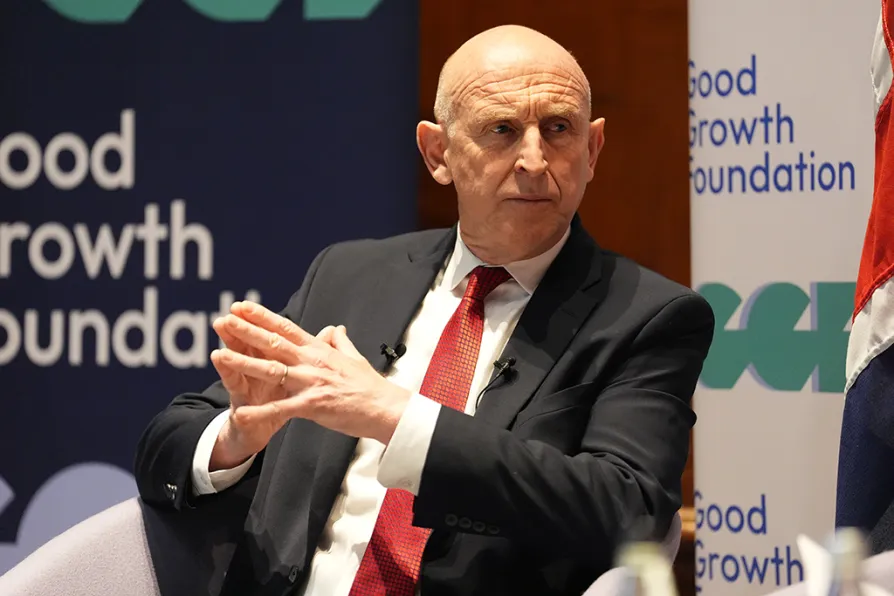
The defence secretary’s resignation reveals not a split over principle but a dispute over pace of military spending, as Britain’s political Establishment unites behind deeper Nato commitments, argues NICK WRIGHT

The federal government’s plans to finance the war in Ukraine with Russian assets, and a possible deployment of German troops, put the population in Germany in the highest danger, argues SEVIM DAGDELEN
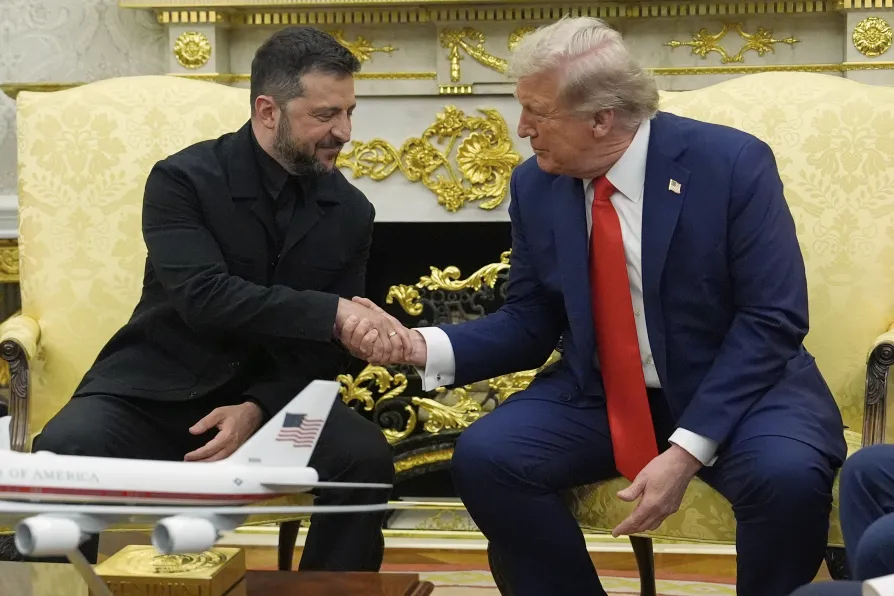
Washington plays innocent bystander while pouring weapons and intelligence into Ukraine, just as it enables the Gaza genocide — but every US escalation leaves Ukraine weaker than the neutrality deal rejected in 2022, argue MEDEA BENJAMIN and NICOLAS JS DAVIES