
Working people across Britain are fighting back against austerity, war, repression and exploitation. The challenge now is to unite those struggles, says Communist Party of Britain assistant general secretary JOHNNIE HUNTER

What do Marxists say about religion?
Like any other cultural activity, religion is capable of promoting political and social liberation, but it is also subject to manipulation and control by ruling classes to enforce conservatism
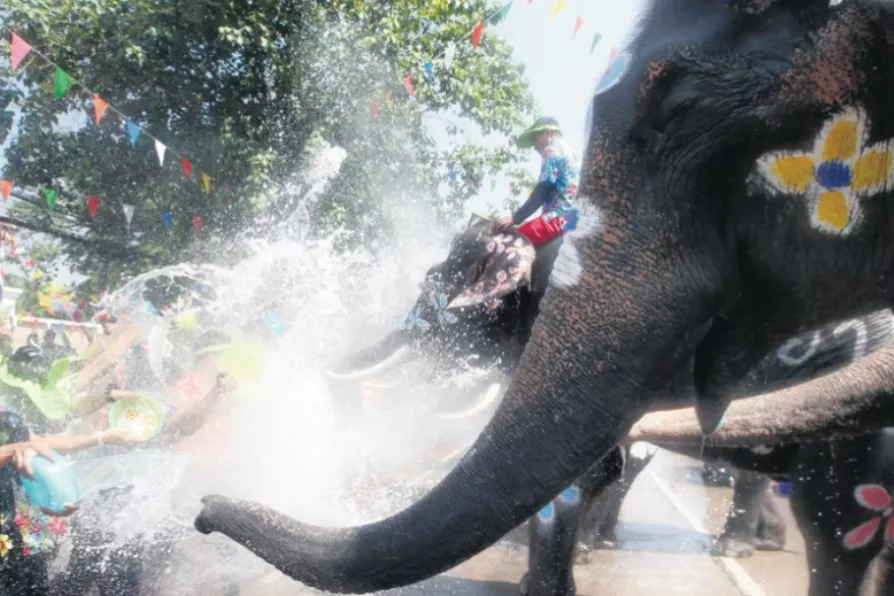
 An elephant sprays water on a tourist during a Buddhist new year celebration in Thailand
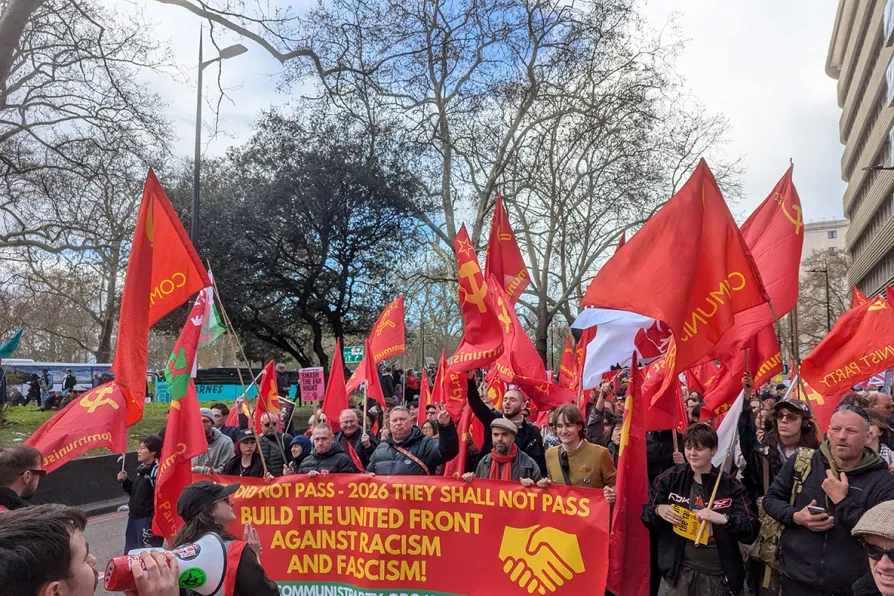
Train drivers’ union Aslef general secretary DAVE CALFE speaks to Ben Chacko about his hopes that Burnham’s devolution agenda will include the importance of the railway
DIANE ABBOTT provides an analysis of the reasons for EU and British voters’ dramatic swing to the right
MAT COWARD has heaps of good advice on recycling garden and household waste over the winter
The UK Prime Minister may have the regal touch in northern England, but he’s been wrong-footed on the constitutional challenges posed by the Celtic Alliance of first ministers from Scotland, Wales and Northern Ireland, argues KENNY MacASKILL
A look at Taylor Wimpey’s accounts shows why Labour’s market-led housing strategy won’t deliver more, cheaper homes, as promised, says SOLOMON HUGHES
Challenges from the unscrupulous misuse of AI to steal actors’ voice and physical likenesses is being met with a firm union response, writes LYNDA ROOKE





MOST Marxists would say that it is none of their business to judge or comment on any individual’s sincere and deeply held religious beliefs, provided that these do not encourage prejudice, intolerance or result in harm to others.
Some religious groupings, notably the Quakers, have been prominent in the peace and anti-war movement.
Many Jews — not just secular Jews but ultra-orthodox religious Jews as well — oppose the illegal Israeli occupation of Palestinian territories.

Similar stories
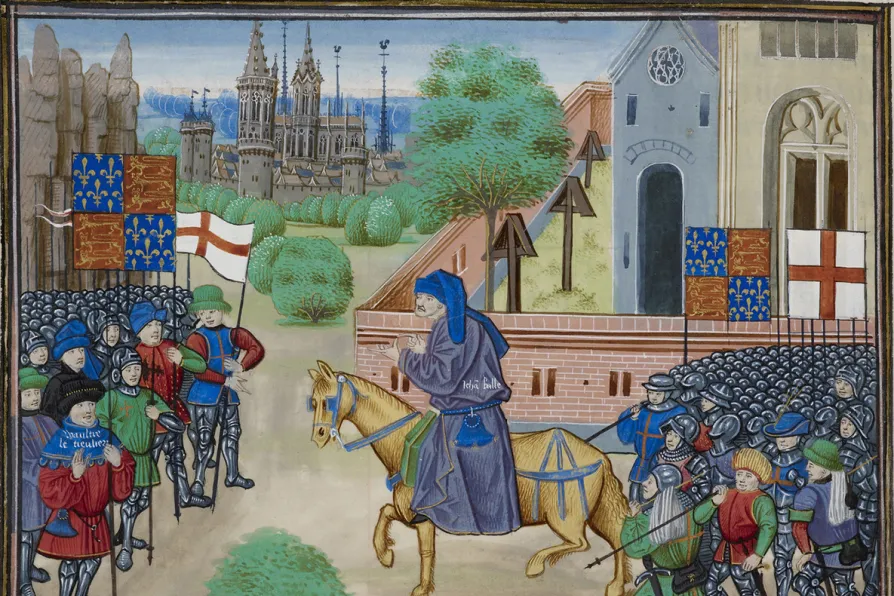
Class struggle is the motor of history but the direction and detail of change at any time and place is the outcome of many factors, suggests the Marx Memorial Library and Workers’ School
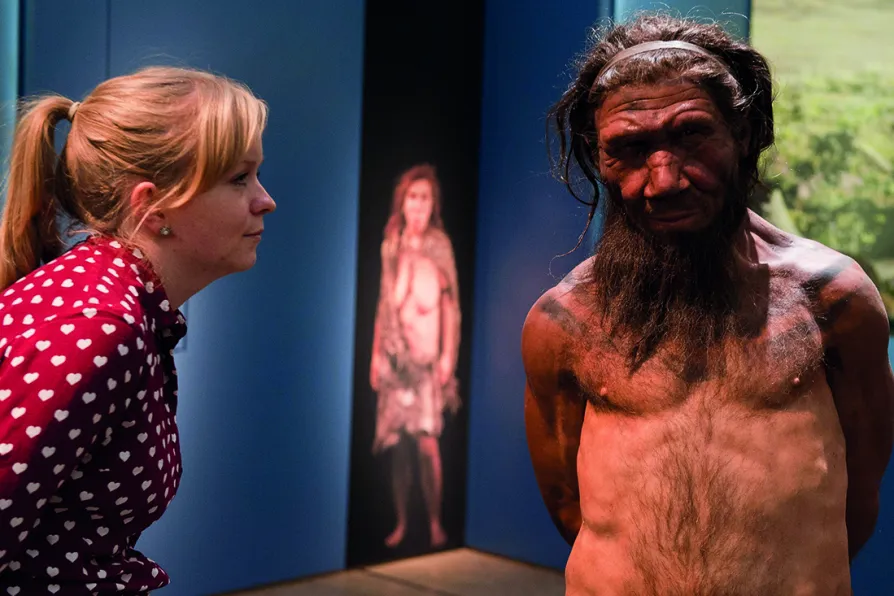
Humans are part of the ‘animal kingdom’ – and of nature in general – but also distinct from it and labour (work) is part of what makes us unique, declared Engels. His insights 150 years ago into how our species came to be and how we differ from the rest of nature, are as important today as they were then, says the MARX MEMORIAL LIBRARY
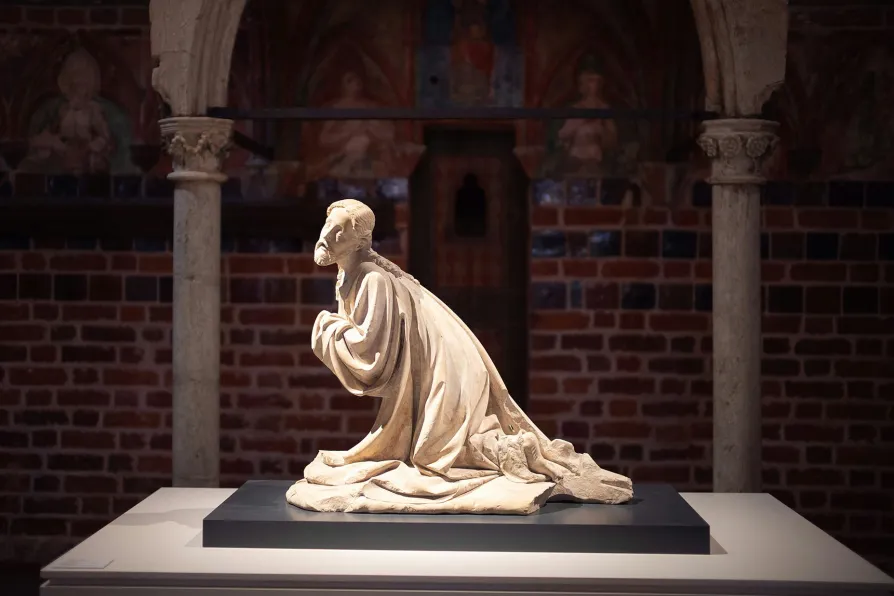
MAT COWARD explains how in the 17th century a row over whether to kneel at communion became a battle over religion, class and royal power
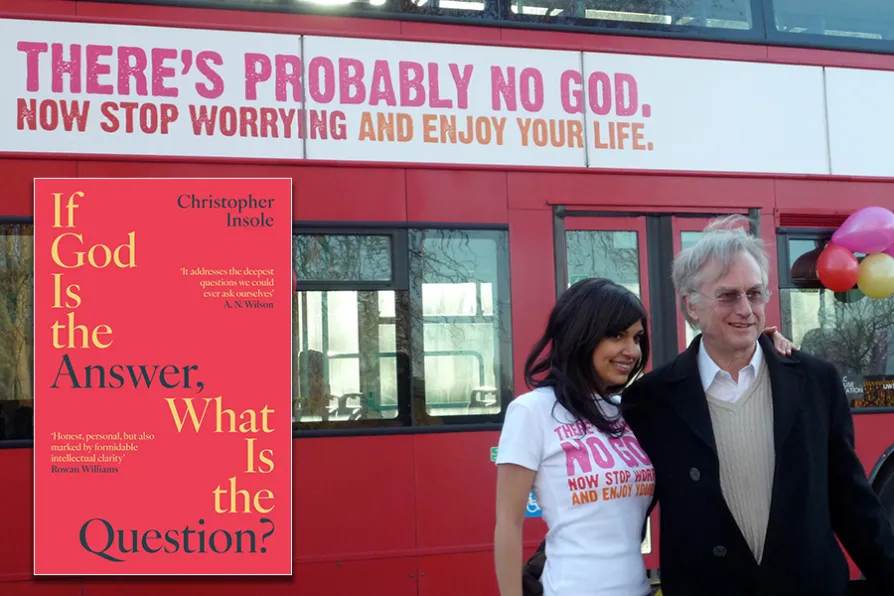
MARTIN HALL welcomes a plea for greater compassion between believer and non-believer via the framework of philosophical enquiry