The 25th anniversary meeting of the Shanghai Co-operation Organisation in the Kyrgyz capital may offer a glimmer of hope that international relations do not need to be defined by endless confrontation, writes KENNY COYLE


 Latest editorial

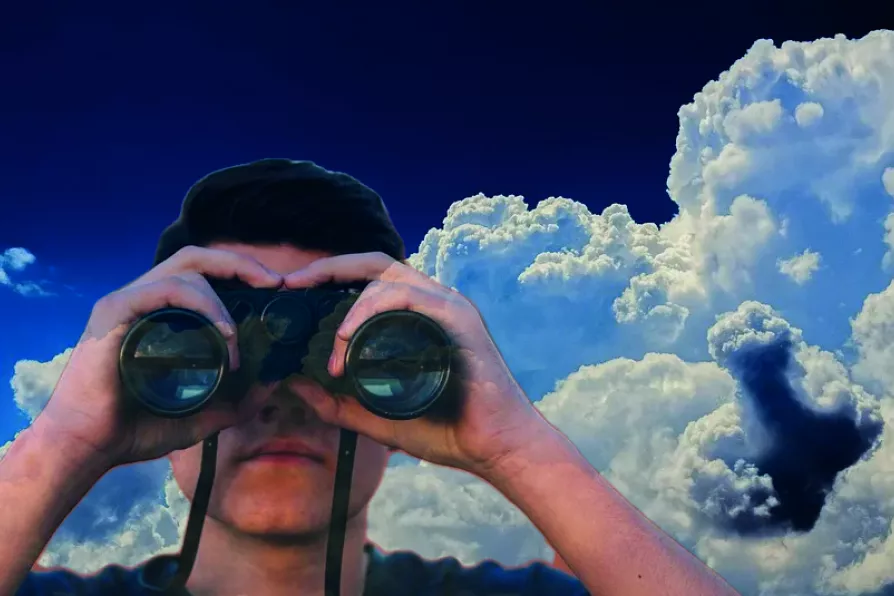
Heads in the clouds
Why do the Met Office care what you see out of your window? SCIENCE AND SOCIETY charts the history of amateur weather observations

The artist, who has just died, is embedded in the subconscious of the Palestinian people
The five young men killed in the A66 crash were responsible for a devastating tragedy — but the crash should force us to ask difficult questions about wider society, argues RENATA MEDEIROS MIRRA
Britain funds the policing of black culture 16 times better than the culture itself. The Diamond Jubilee is the moment to end that, argues CLAUDIA WEBBE
Despite Andy Burnham’s declaration defending the continued partition of the island, all major international and internal trends are converging to make Irish reunification inevitable
Humans are part of the ‘animal kingdom’ – and of nature in general – but also distinct from it and labour (work) is part of what makes us unique, declared Engels. His insights 150 years ago into how our species came to be and how we differ from the rest of nature, are as important today as they were then, says the MARX MEMORIAL LIBRARY
Committee for the Defence of the Iranian People’s Rights general secretary GAWAIN LITTLE discusses the impact of the US-Israeli war on the Iranian people and economy





WHAT do you see out of your window? Many people have reported during lockdown that they are noticing nature and the weather more. Lockdown has undoubtedly led to cleaner air due to reduced pollution, and more wildlife due to fewer people outside, but it seems likely that many people simply have more of an opportunity to notice things. The weather is one of them: not for nothing did the poet Ralph Waldo Emerson call the sky “the daily bread of the eyes.”
Of course, some will have been keen observers of the weather pre-lockdown. One of the Science and Society team’s grandmothers has been keeping a weather diary every day for several decades, inspiring in her grandchildren an interest in the observation of nature.
Such practices date back a long way. The earliest known weather diary in Europe was made by William Merle, a 12th-century parish priest in Driby, Lincolnshire, who recorded the weather between 1337-1344. No previous document exists with comparable detail.

Similar stories
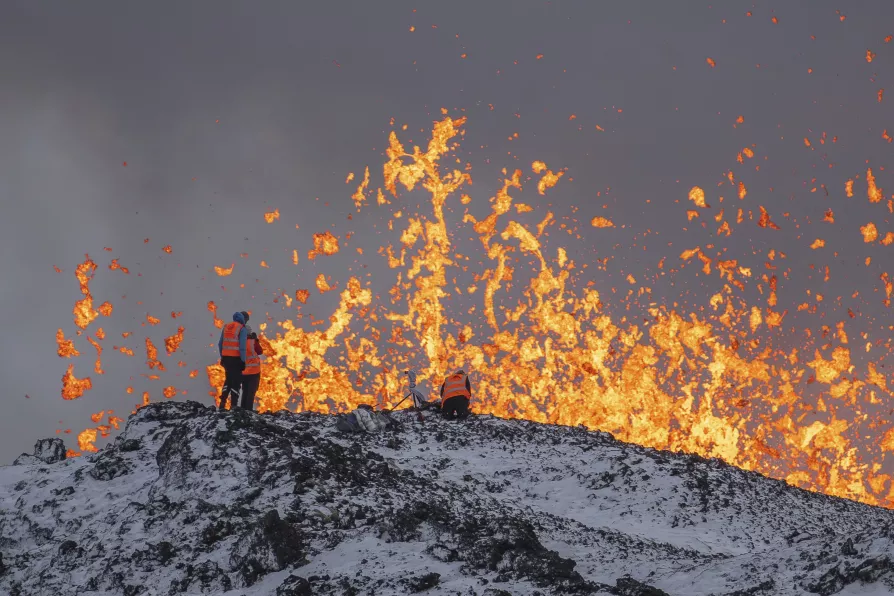
ALEX BROWN explains how medieval Europe was plunged into sunless years, with widespread crop failures and devastating famines
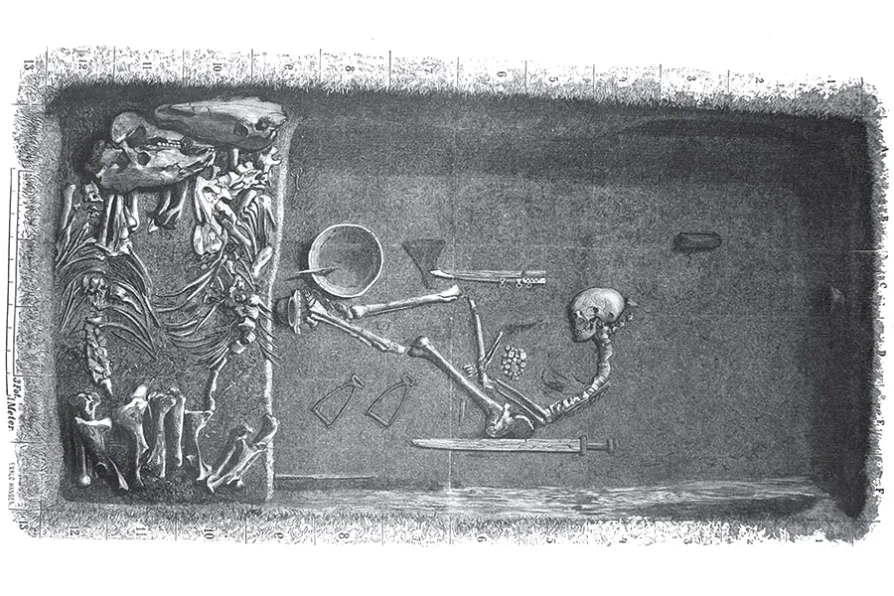
Reducing historical lives to ‘male’ and ‘female’ roles, we lose the nuance of those lives and a clearer understanding of past societies, suggests CLAIRE ISABELLA GILMOUR
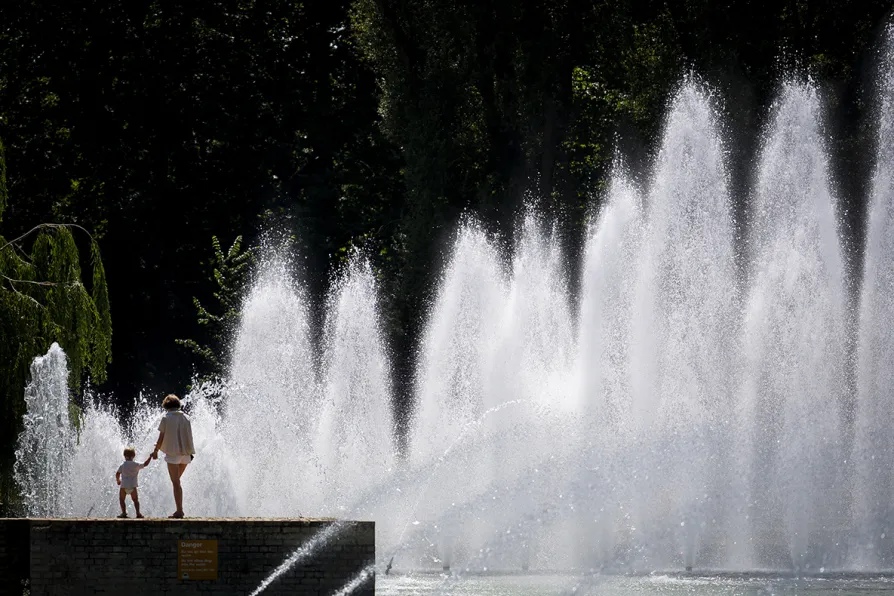
The recent heatwaves revealed how ill-prepared Britain remains for a hotter future – and how unequal the ability to cope with it has become, write ROX MIDDLETON, LIAM SHAW and MIRIAM GAUNTLETT