MARIA DUARTE recommends a remarkable study of the friendship between a Palestinian and a Pakistani, broken by a hostile state


 Latest editorial

Moscow Monumental
How architecture transformed the Russian capital into a modern metropolis
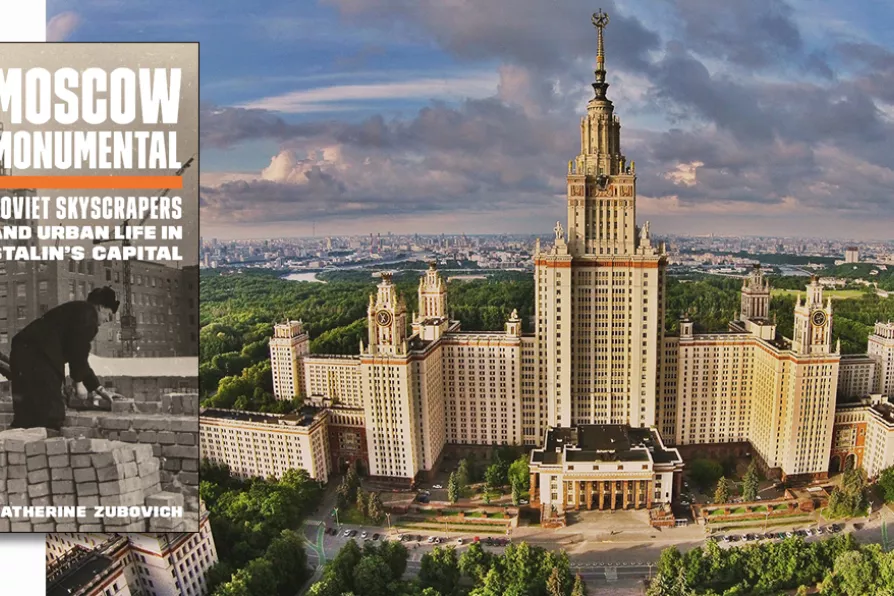 Moscow State University remained the tallest building in Europe until 1997

MATTHEW HAWKINS rakes through un-fancy words and flair-free summaries to find who and what might be flamboyant
PETER MASON is exhilarated by an exciting, well-considered and historically minded tribute to the great Trinidadian instrument
Reducing historical lives to ‘male’ and ‘female’ roles, we lose the nuance of those lives and a clearer understanding of past societies, suggests CLAIRE ISABELLA GILMOUR
CHRIS SEARLE relishes the genius of pianist Alexander Hawkins, his many ensembles, and his new album





CONTRARY to the popular image in the West of a dull, grey and brutal USSR, in Moscow Monumental Katherine Zubovich reveals how the general plan for the city in the 1930s aimed to improve standards of living, deal with the housing crisis, provide new amenities to Muscovites and beautify a city of “narrow and curving streets with dozens of lanes and dead ends.”
The architecture of Moscow — and my one criticism of the book is that it’s not well served by the small and grainy photos illustrating the text — goes beyond the typical tourist pictures of Red Square and onion domes. Changing styles mirrored the growth and development of a new nation.
The Palace of the Soviets was planned as a 100-storey skyscraper topped by an 80-metre-high statue of Lenin. Futuristic features such as automated cloakrooms hint at the ambitions of the Soviet Union to come, a nation that had big dreams of an evolution from peasant state to the superpower that put the first man in space.

Similar stories
KATAYOUN SHAHANDEH surveys Iran’s cultural heritage and explains what has been damaged and what could be lost
A ghost story by Mexican Ave Barrera, a Surrealist poetry collection by Peruvian Cesar Moro, and a manifesto-poem on women’s labour and capitalist havoc by Peruvian Valeria Roman Marroquin
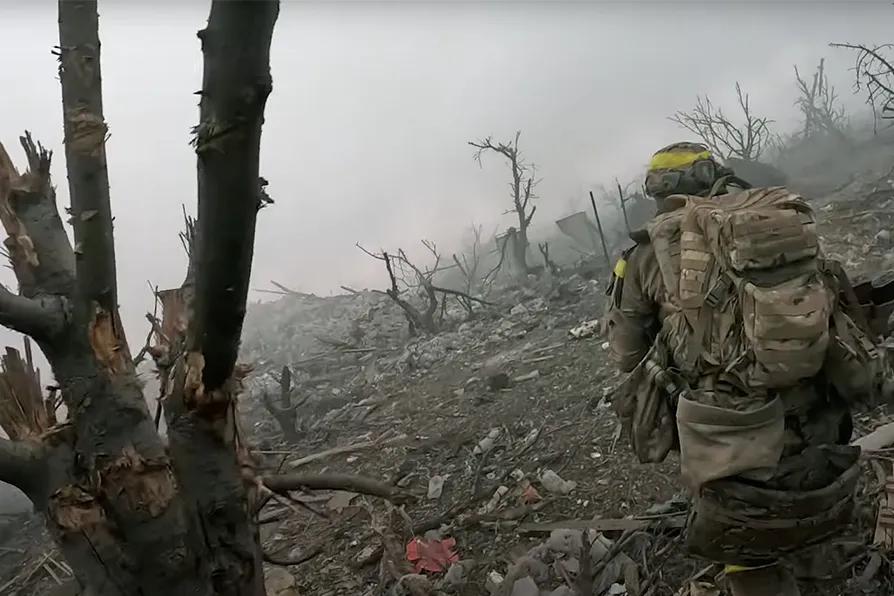
ED RAMPELL is disappointed by the confusing results of embedding cameras amid a Ukranian platoon