MARIA DUARTE recommends the true story of the remarkable woman who sued Donald Trump for sexual assault not once, but twice


 Latest editorial
The Country That Does Not Exist
Obscured history of post-colonial Somalia
 TURNING POINT: Commemoration on February 2, 2021, of the 27th anniversary of the establishment of the Somaliland National Army
[Sagalnews/Creative Commons]
TURNING POINT: Commemoration on February 2, 2021, of the 27th anniversary of the establishment of the Somaliland National Army
[Sagalnews/Creative Commons]

KENNY MacASKILL is disappointed by a polemical, rather than factual, account of the Lone Star State and its political path since the civil war
PAUL DONOVAN is fascinated by the lives of Charles and Mary Bagot, and the insight this biography shines on the morals of pre-Victorian society
GORDON PARSONS appreciates fine performances and a feel for ambiguity, but misses the music of the dialogue
DOUGLAS FIELD relishes the hard-boiled language, satire and humour of the third and last of the Harlem trilogy
STEPHANIE BROWN draws attention to the hidden labour of the female embroiderers, and how a 19th century replica made no such error
MIK SABIERS revels in a band that ploughs an idiosyncratic furrow of expletive laden, guitar-driven alt rock





THE BEST of this book is the preface and first chapter, which clearly set out how the author intends to frame the post-colonial history of Somalia — a country, he argues, that does not exist in reality even if recognised internationally.
Thereafter, unfortunately, it’s pretty much downhill as Gerard Prunier leads the reader into an impenetrable forest of clan chiefs, warlords and religious groups, all lost in a jumbled narrative that too often assumes prior knowledge and frequently flits backwards and forwards in time.
Prunier may know his subject inside out but it’s difficult to see the wood for the trees, partly because he fails from the outset to provide a simple and chronological summary of what has happened in Somaliland since the end of British and Italian rule or to paint a full enough picture of how society in the country functions, in particular through its clans.

Similar stories

GLENN FOSBRAEY recommends a biography worth reading for both existing George Michael fans and those yet to be converted
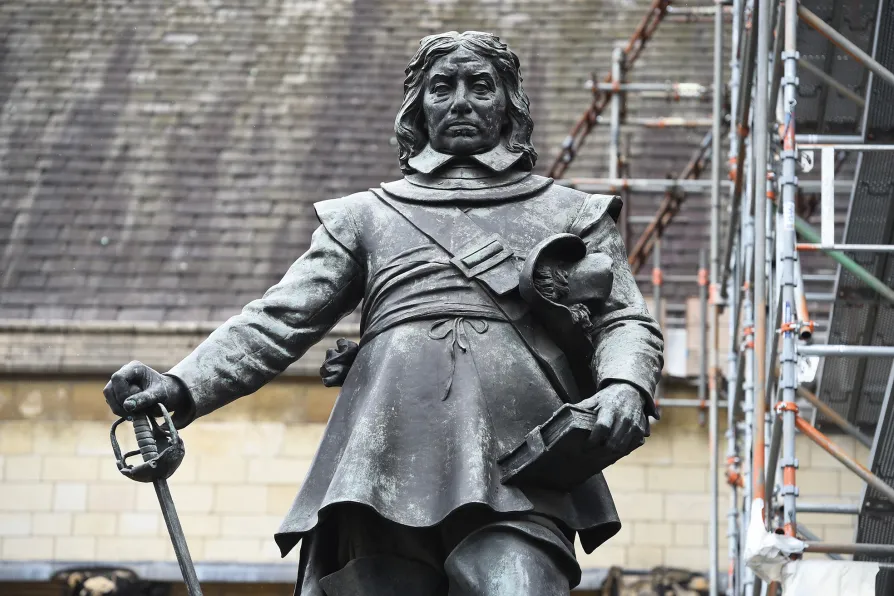
The selection, analysis and interpretation of historical ‘facts’ always takes place within a paradigm, a model of how the world works. That’s why history is always a battleground, declares the Marx Memorial Library

PETER MASON applauds a stage version of Le Carre’s novel that questions what ordinary people have to gain from high-level governmental spying

PETER MASON is entertained by the autobiography of Charlie Harper, one of punk’s most enduring figures