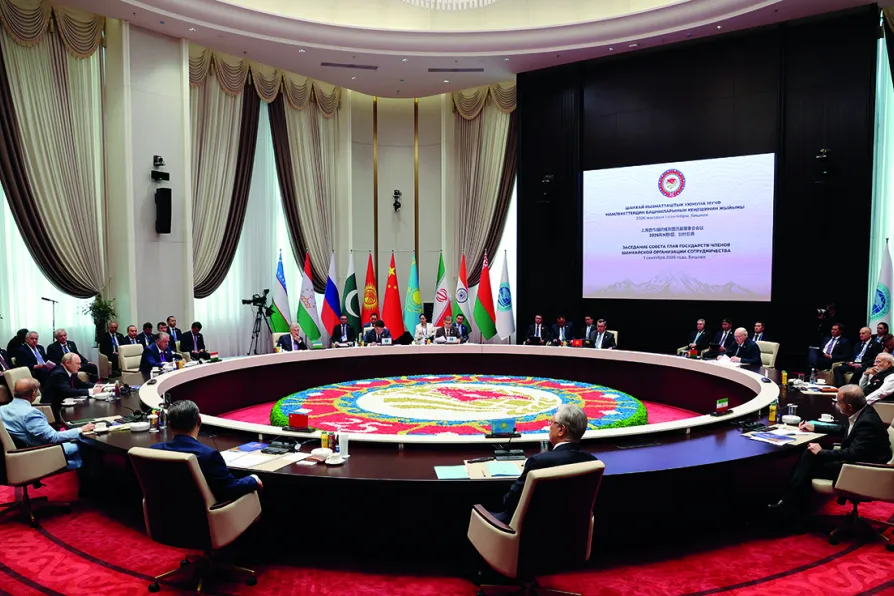
The 25th anniversary meeting of the Shanghai Co-operation Organisation in the Kyrgyz capital may offer a glimmer of hope that international relations do not need to be defined by endless confrontation, writes KENNY COYLE


 Latest editorial

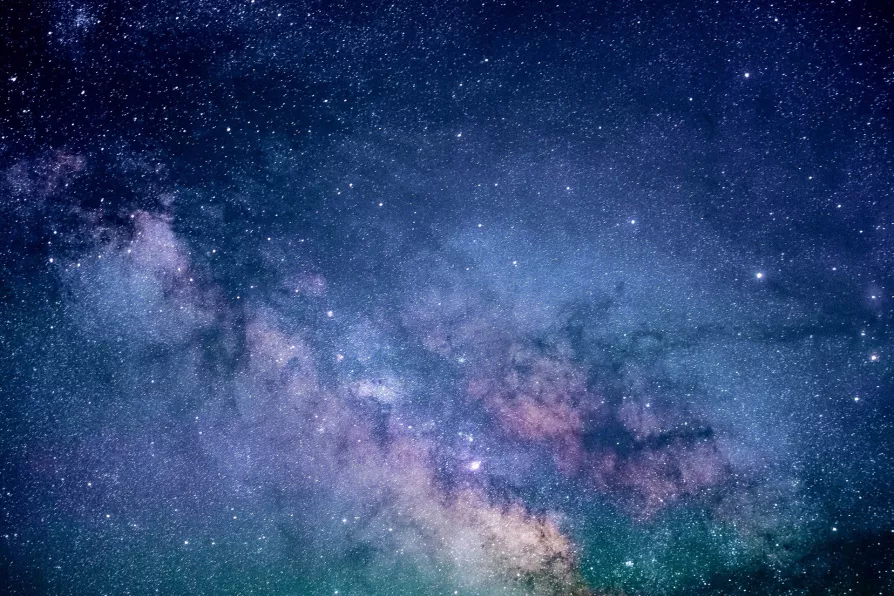
Scotland’s observatories teach us to see in the dark
In June a major centre for stargazing in Scotland burnt to the ground, reminding us of the importance of making knowledge accessible to everyone, write ROX MIDDLETON, JOEL HELLEWELL and LIAM SHAW
The artist, who has just died, is embedded in the subconscious of the Palestinian people
The five young men killed in the A66 crash were responsible for a devastating tragedy — but the crash should force us to ask difficult questions about wider society, argues RENATA MEDEIROS MIRRA
Britain funds the policing of black culture 16 times better than the culture itself. The Diamond Jubilee is the moment to end that, argues CLAUDIA WEBBE
Despite Andy Burnham’s declaration defending the continued partition of the island, all major international and internal trends are converging to make Irish reunification inevitable
Humans are part of the ‘animal kingdom’ – and of nature in general – but also distinct from it and labour (work) is part of what makes us unique, declared Engels. His insights 150 years ago into how our species came to be and how we differ from the rest of nature, are as important today as they were then, says the MARX MEMORIAL LIBRARY
Committee for the Defence of the Iranian People’s Rights general secretary GAWAIN LITTLE discusses the impact of the US-Israeli war on the Iranian people and economy





GAZING at the stars has been the source of inspiration for poetry, fortune-telling and mapping since prehistory.
Although now divorced for most people from the act of stargazing, the origin of much of modern science, and much cultural practice, from horoscopes to religion, lies in the observation of the positions of stars and planets.
These features of the night sky, since there have been humans to wonder at them, have inspired and informed us forever.

Similar stories
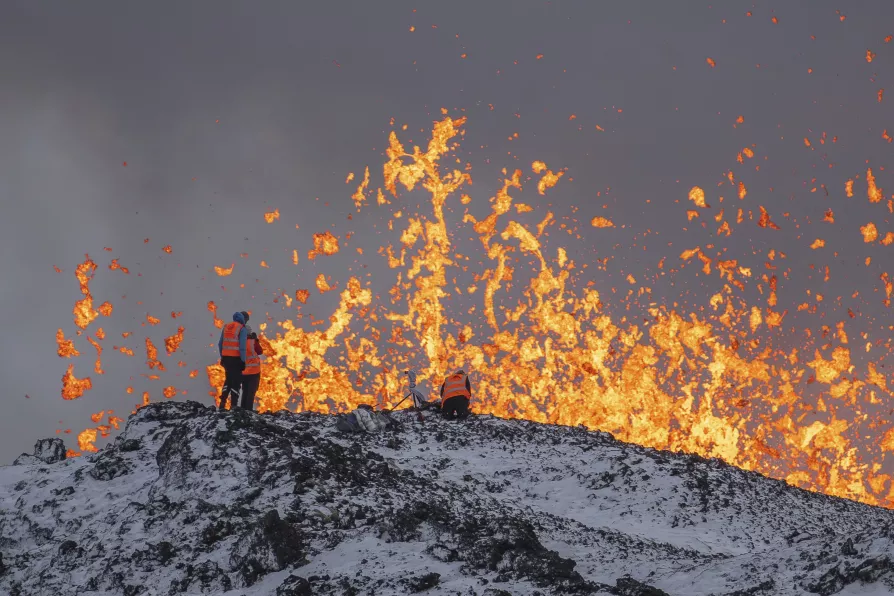
ALEX BROWN explains how medieval Europe was plunged into sunless years, with widespread crop failures and devastating famines
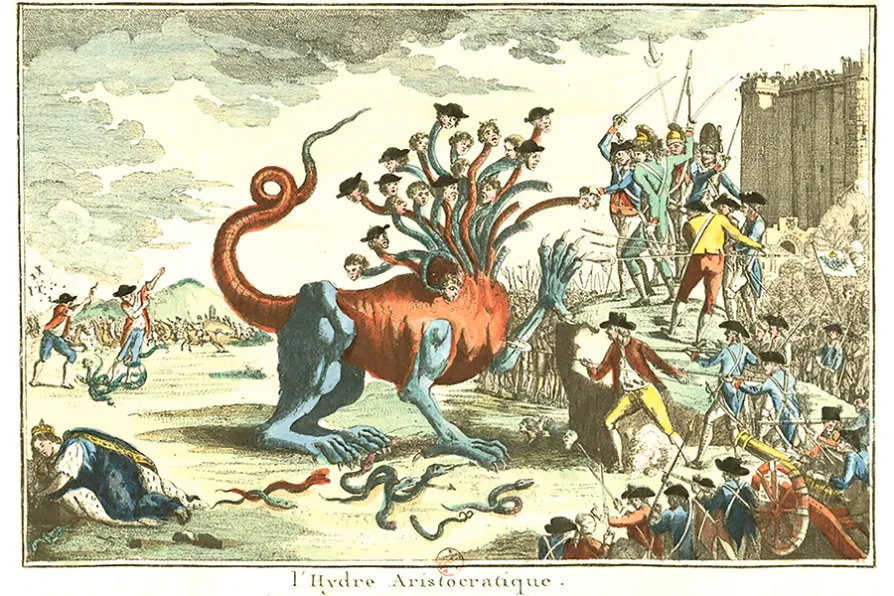
Before Greek myths reached the multiplex, they were weapons of political satire. CALLUM SMITH explores the evidence
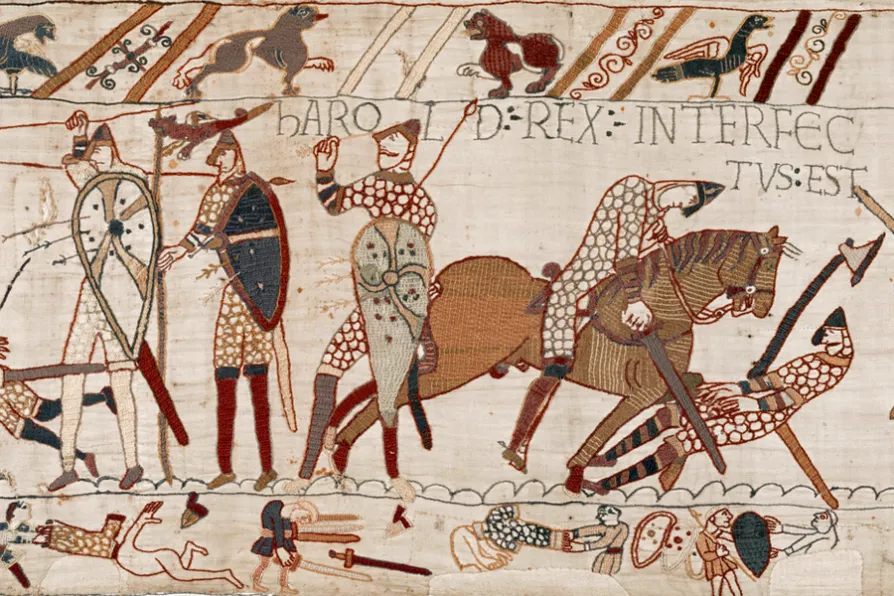
STEPHANIE BROWN draws attention to the hidden labour of the female embroiderers, and how a 19th century replica made no such error