Washington’s inability to subjugate Iran is an example of how it is trying to preserve a regional order that no longer exists, argues RAMZY BAROUD


 Latest editorial

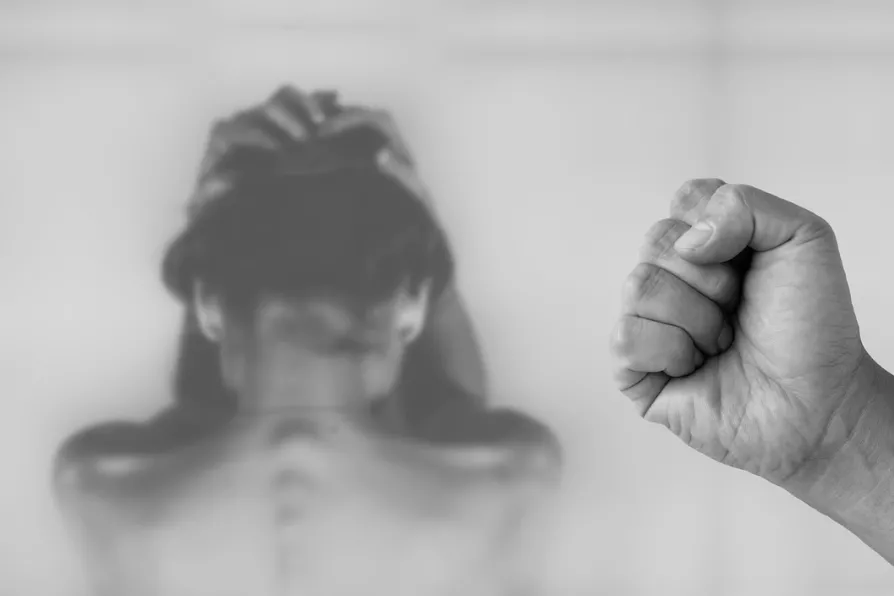
Violence against women, the shadow pandemic
Statement from the Communist Party of Britain and its Women's Organiser CAROL STAVRIS to mark UN Day for the Elimination of Violence Against Women
US financial instability is exposing the limits of a dollar-dominated global economy — and giving the Global South a historic chance to build an alternative, says MURAD QURESHI
DOUG NICHOLLS says the parasitic finance markets must be challenged or another British government could be toppled
The late country singer’s Imagination Library has put hundreds of millions of books into children’s hands. We should build on that legacy by defending the libraries at the heart of our communities, says BRENDA AITCHISON
Deprivation is a fundamental factor in criminal behaviour that must be addressed but, KENNY MacASKILL argues, there needs to a major rethink in sentencing to tackle overcrowding
MML director MEIRIAN JUMP outlines the recently refreshed library’s busy autumn schedule that ranges from book sales, archival exploration, community work with online education and the ever popular site tours
TONY BURKE surveys the shifting political landscape and the challenges Labour needs to address if it is to prevail in the 2028 federal elections





THROUGHOUT the world, November 25 is recognised as the United Nations International Day for the Elimination of Violence Against Women.
World Health Organisation research estimates that one in three women globally experience physical and/or sexual violence in their lifetime. Most violence comes from an intimate partner.
In poor regions of the world, in war zones and in countries with authoritarian regimes, women’s health, wellbeing and safety are badly compromised.
In countries with histories of misogyny, levels of femicide — the killing of women because they are women — have always been high. Some progressive governments, for example in Mexico, are now recognising this and attempting to change their cultures.

Similar stories
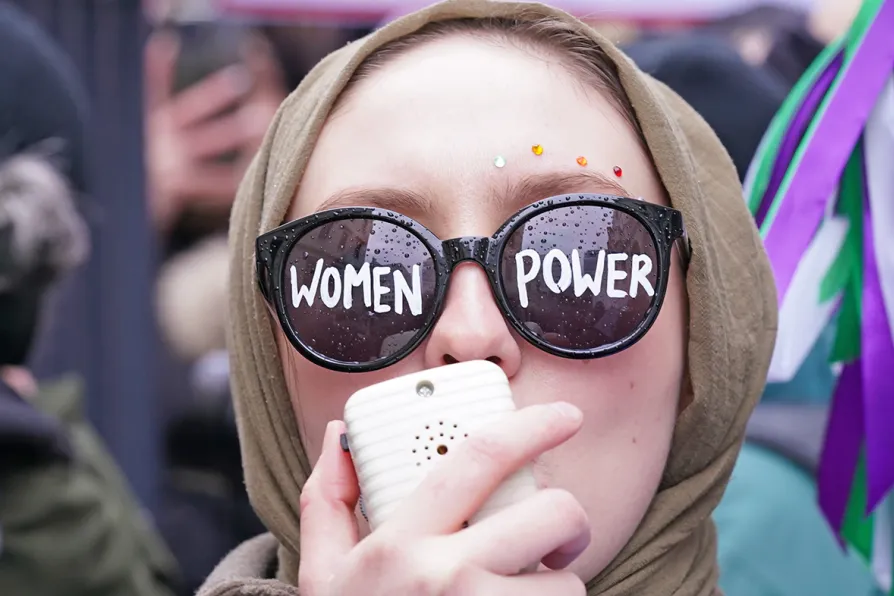
Our priority must be to defend hard-won protections while linking equality law to trade union power and wider social transformation, says MARY DAVIS, on behalf of the Women’s Liberation Alliance

ANNA FISHER explores what would it mean for women’s equality and public safety if Britain embraces full commercialisation of the sex trade
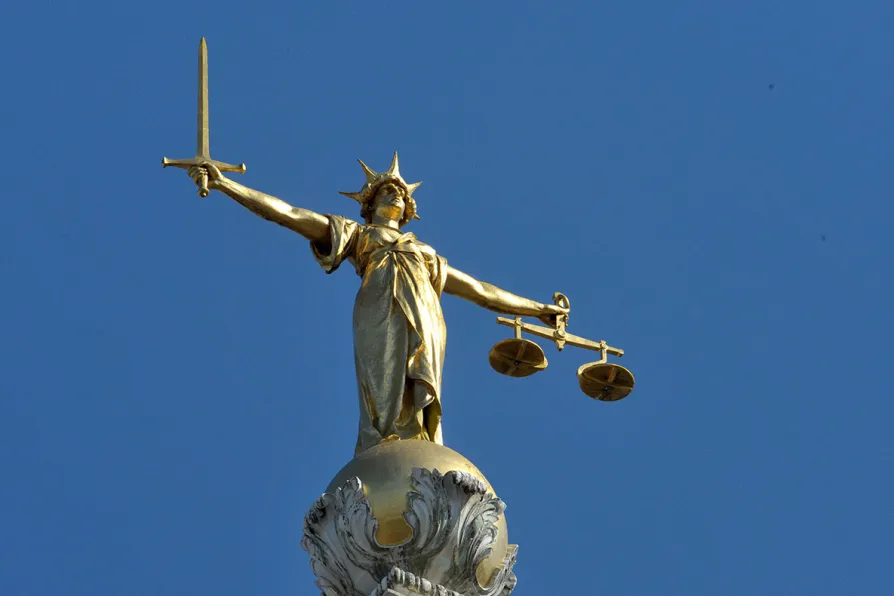
Legal frameworks designed to safeguard women are too often weaponised against them, reinforcing male power and entrenching injustice. The FiLiA Ending MVAWG Team highlight some of the issues
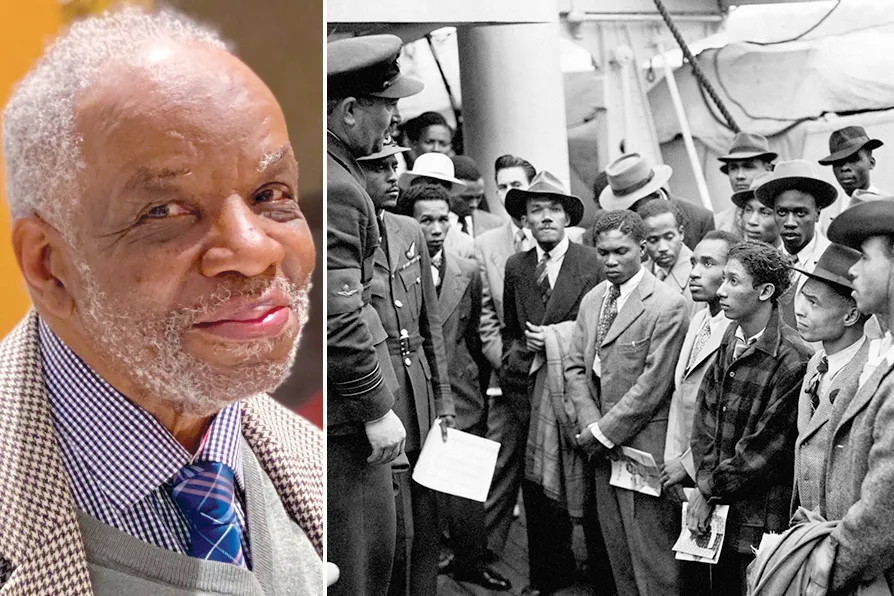
1943-2025: How one man’s unfinished work reveals the lethal lie of ‘colour-blind’ medicine