ROB WARZYNIAK recalls the emblematic 1906 book, The Jungle, in its analysis of the crisis presently engulfing the US Food and Drug Administration


 Latest editorial

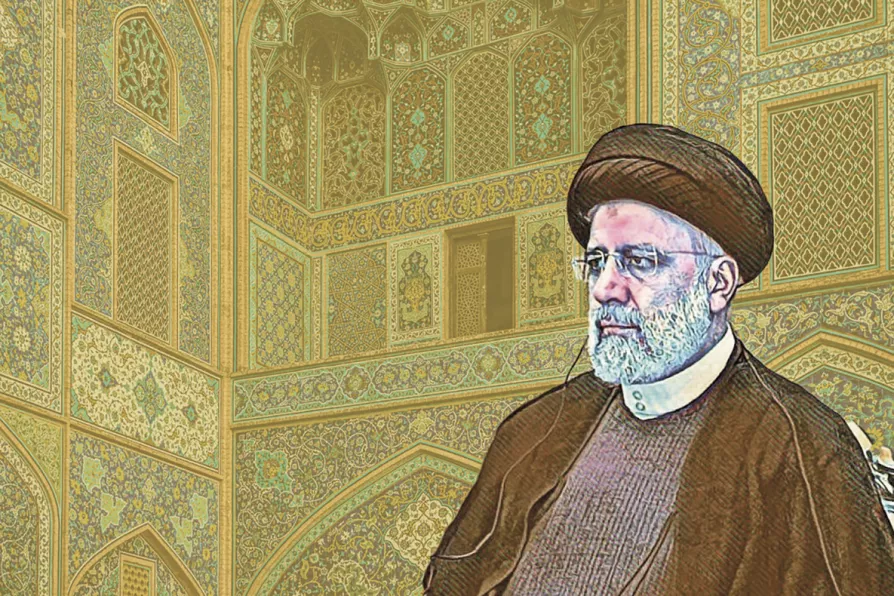
Teachers take on the Islamic Republic
Workers have always been at the forefront of resistance to the religious dictatorship in Iran, and now teachers have taken up the struggle to to redirect the nation's ample resources from militarisation to education, writes LIZ PAYNE

Welsh wanderings showcase fiery destruction, alternative water ways and revive memories of a local mining legend, writes MARK SEDDON
As thousands die in the eastern DRC, a global health emergency is being starved of funds, says S KRISHNASWAMY
MAT COWARD explains how in the 17th century a row over whether to kneel at communion became a battle over religion, class and royal power
Renewed illusions in social democratic reformism are sprouting as a result of Andy Burnham’s rhetoric, but material conditions are already intruding into the debate, argues NICK WRIGHT
Andy Burnham could learn a few lessons from a previous Labour government in the pre-privatisation era on how to tackle water shortages, writes KEITH FLETT





IRAN’S theocratic regime does not recognise trade unions, but teachers and educational workers have formed the nationwide Coordinating Council of Iranian Teachers’ Trade Associations (CCITTA) which has organised many protest actions, including petitions to the Iranian authorities and international organisations, sit-ins at schools, walkouts and rallies.
In yet another attempt to get their voices heard, thousands of teachers and educators gathered outside Iran’s parliament in Tehran and at education authority offices across the country on May 12.
These kind of actions have gained momentum in recent months and have met with violent suppression by the authorities. Teacher leaders and activists have lost their jobs and been arrested and imprisoned on baseless accusations, including “acting against national security.” The regime’s response on May 12 was no different.

Similar stories
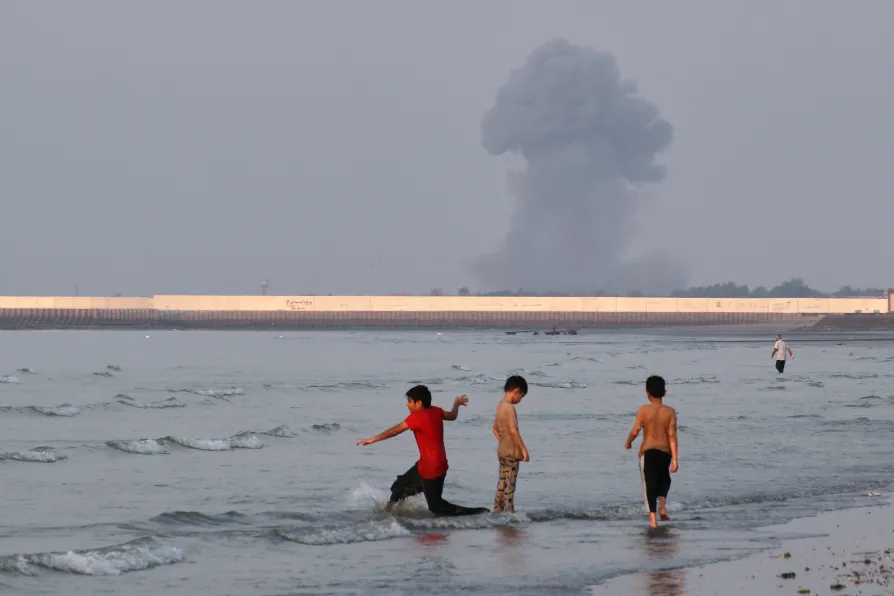
Behind the language of military strategy is a confrontation that risks drawing the wider Middle East into war, says STEVE BISHOP
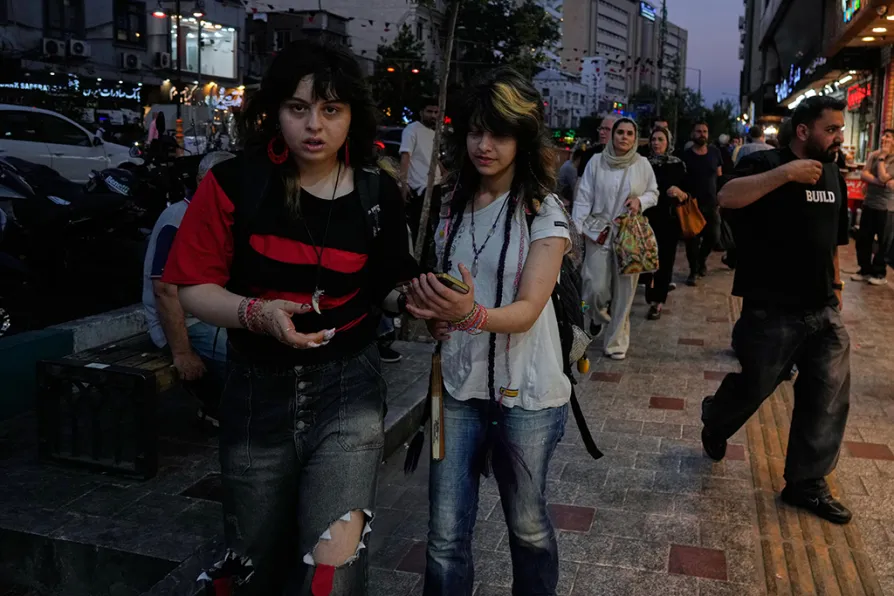
The ceasefire may have halted the fighting for now, but years of economic warfare and recent military attacks have left millions of Iranians facing hardship and uncertainty, says Codir’s RUBEN BRETT
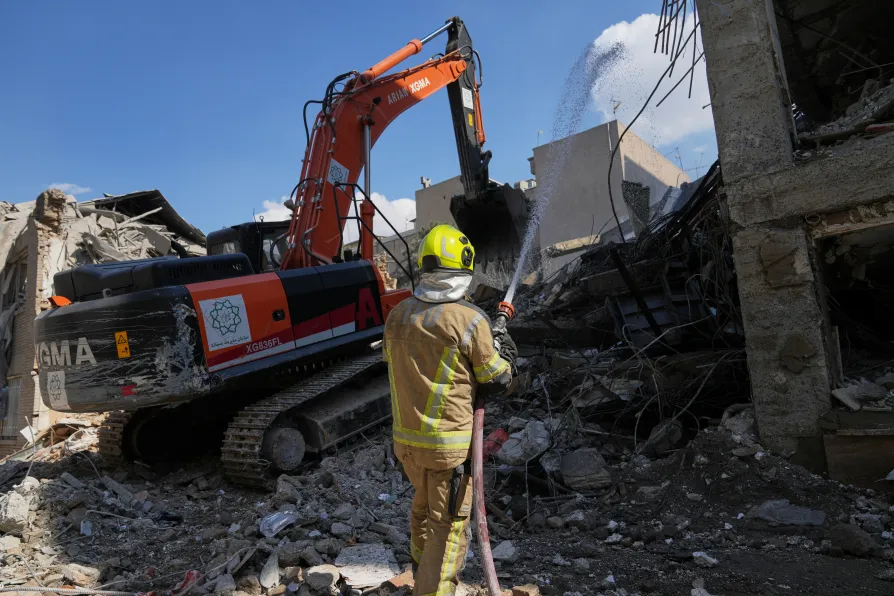
With attacks on industry, healthcare and education intensifying, JAMSHID AHMADI warns of a deliberate drive to cripple Iran and calls for urgent global action
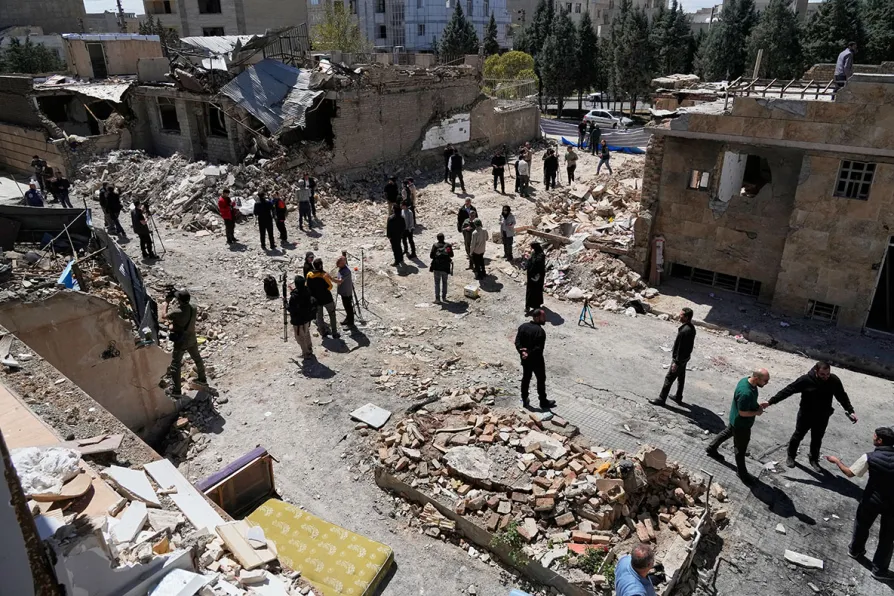
A packed fringe meeting at the National Education Union conference heard from Iranian teachers, campaigners and journalists