
The new Prime Minister must abandon decades of automatic support for US foreign policy, which makes us all less safe, argues DIANE ABBOTT MP


Boris Johnson: a candidate for ‘damnatio memoriae?’
STEPHEN ARNELL looks at the historical practice of erasing the memory of reviled political leaders from ancient Rome to modern Westminster
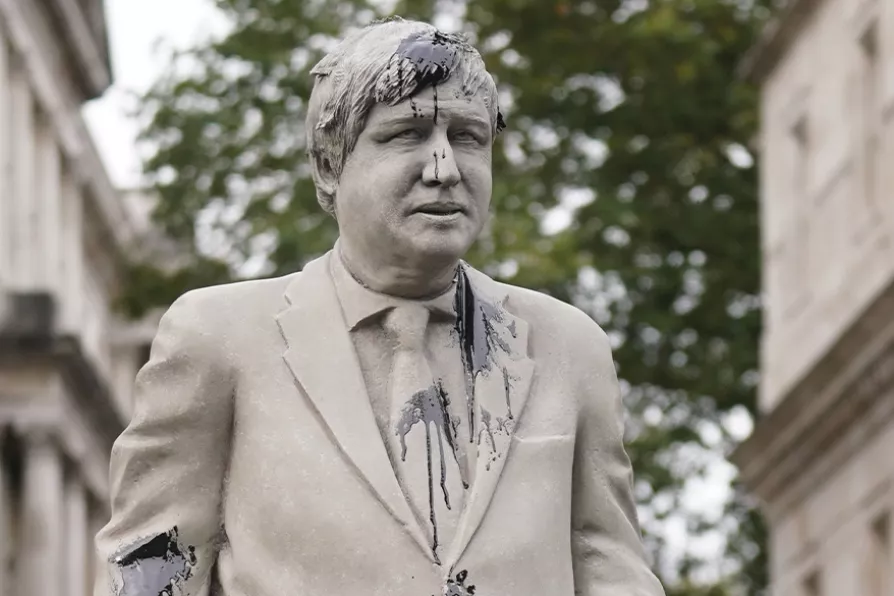
 A statue of Boris Johnson covered in oil

Media Lens at 25: David Cromwell and David Edwards reflect on a quarter-century of media criticism, explaining why independent journalism is more important than ever
by Weyman Bennett and Maz’s family
The International Court of Justice has delivered its clearest ruling yet that the right to strike is protected under international law, write Professor TONIA NOVITZ, Professor KEITH EWING and Lord JOHN HENDY KC
Emergency phone alerts could help Britain respond to rising wildfire risk, but Australia’s experience suggests they work best as part of a broader strategy, write ELLIOT CONVERY-FISHER and KATE PARKINS
A champion motorcyclist, trade union organiser and communist, Clem Beckett went from Britain’s speedway tracks to the battlefields of Spain, where he gave his life resisting Franco’s forces at Jarama. GEOFF BOTTOMS pays tribute to this remarkable anti-fascist





WITH his wretched, inept, self-serving and typically duplicitous performance at the Covid inquiry, many would like to forget disgraced former Prime Minister Boris Johnson ever existed.
If we look back through history, we can see many examples when unsavoury characters (and some blameless) were totally erased from the public record, in terms of both writings and physical memorials.
This removal came to be known by the Latin phrase coined in a German academic thesis in 1689 as “damnatio memoriae” meaning “condemnation of memory.”
Forget-me-not
Back in the bad old days of the Roman empire (and more recently in the former USSR, China, North Korea, and previous Warsaw Pact countries), those who were thought to have disgraced the honour of the state — or were inconvenient reminders of how the present occupants got there — were swiftly expunged from official memory.
After his fall and execution in AD 31, the emperor Tiberius’s “Partner of my Labours,” the super-ambitious Praetorian Prefect Sejanus became a non-person, and to make sure of this, his former wife and their children, plus his extended family and supporters were also rubbed out. A scene memorably depicted in the classic 1976 BBC series I, Claudius.

Similar stories
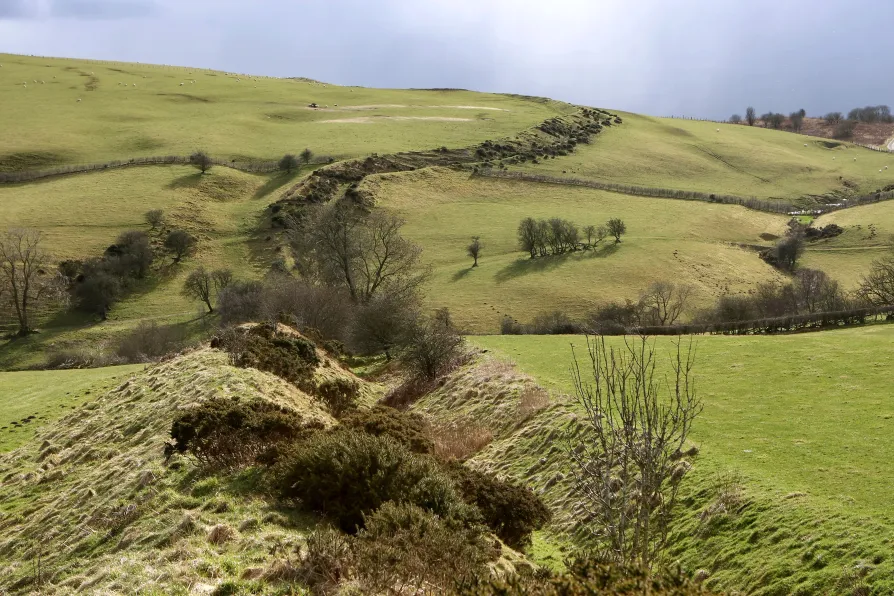
In his fortnightly Borderlands column, MARK SEDDON visits overgrown forts along Offa’s Dyke and reflects on wars past and present

ANDREW MURRAY looks back on the ignominious career of the former US vice-president, who died earlier this week

A ghost story by Mexican Ave Barrera, a Surrealist poetry collection by Peruvian Cesar Moro, and a manifesto-poem on women’s labour and capitalist havoc by Peruvian Valeria Roman Marroquin

Still the only black man to win the US Open tennis title, a statue of the legendary champion, Arthur Ashe, is now the only one remaining on Monument Avenue in his Richmond, Virginia hometown, where confederate leaders of the Civil War were also once displayed, writes LINDA PENTZ GUNTER