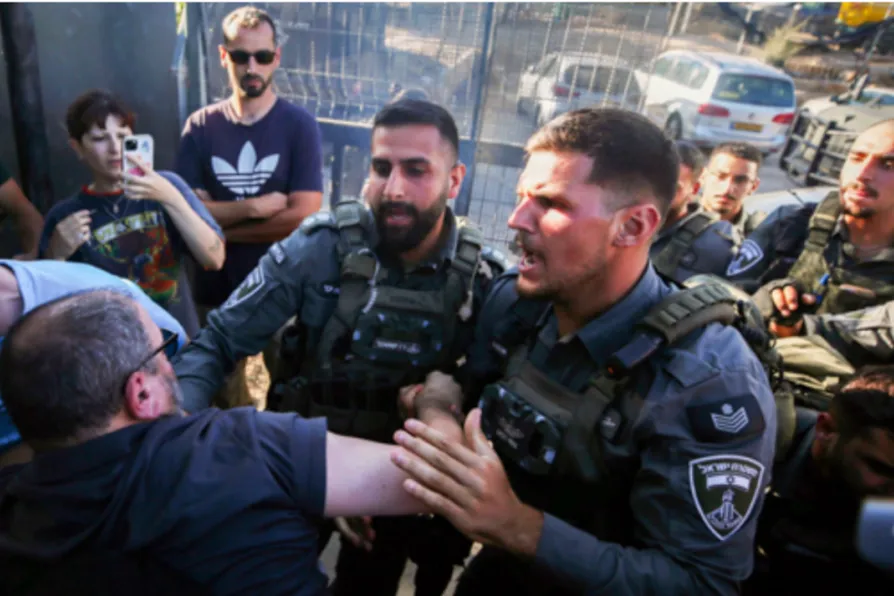
Police crackdowns on Israeli peace demonstrators combined with court rulings and settler organisations are designed to strip Palestinian families of their homes and land. The Israeli state has tried to silence both Israelis and Palestinians who resist, according to Zo HaDerekh (This Is The Way) the Communist Party of Israel’s Hebrew-language weekly


 Latest editorial

After the revolution: the new Portugal takes shape
Covering the revolt for East German television 50 years ago, JOHN GREEN witnessed first-hand how the revolution blossomed and withered, as anti-worker and reformist forces aligned to keep the Communist Party from power
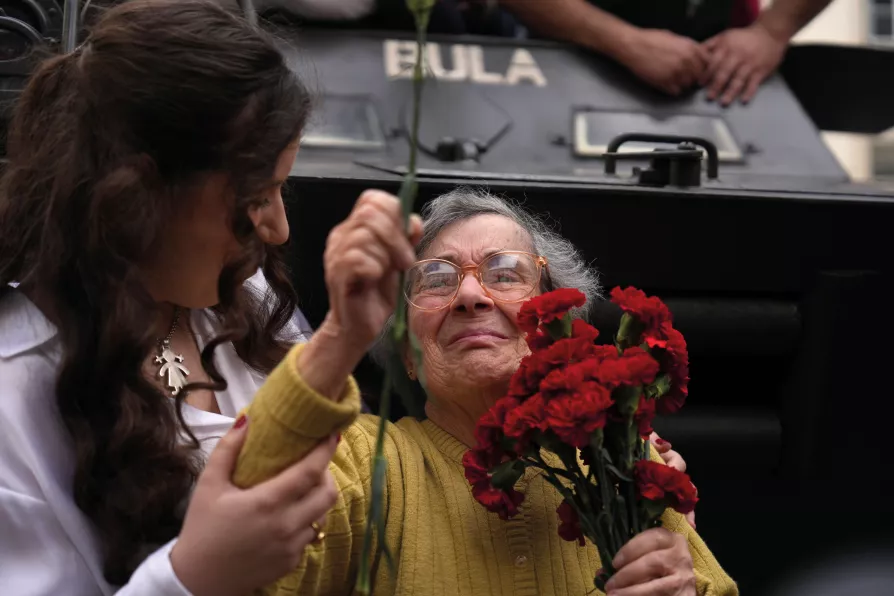 CARNATION REVOLUTIONARY: Celeste Caeiro, 90, holds red carnations, in Lisbon, April 25 2024. Fifty years ago, Caeiro handed out carnations to rebel soldiers, thus naming the 1974 army coup that restored democracy
The attacks on black academics are well-funded and relentless, writes DIANE ABBOTT, and they need to be fearlessly resisted by all concerned
Communists in Australia, Britain and the US outlined a joint state agreement against their governments’ militarist provocations.
Extreme hot weather resulting from environmental change needs to be tackled through greater firefighting investment instead of fewer jobs and less resources, writes COLIN BROWN
Faced with crises in every direction, Volodymr Zelensky is rewriting his country’s complex history by paying homage to the founding fathers of Ukrainian ultra-nationalism and courting their modern heirs, writes KENNY COYLE
There are many intricate details about the new Saudi, Turkish and Pakistani alliance we do not yet know, suggests ROGER McKENZIE, but its impact could be considerable





THE whole revolution had to be planned in such secrecy that only a few officers knew about it and no-one could be certain how far other regiments would support them.
It is amazing how small groups of soldiers, like these with their obsolete vehicles, were nevertheless able to frighten and scatter the dictatorship’s demoralised forces.
“We had strict instructions not to open fire unless absolutely necessary,” a major tells us. “We wanted to avoid the spilling of blood at all costs, so we spoke to the non-committed troops trying to win them over to our side. This we managed to do. Only one or two top-ranking officers refused to join us, and they were arrested.” It was a totally bloodless revolution.

Similar stories
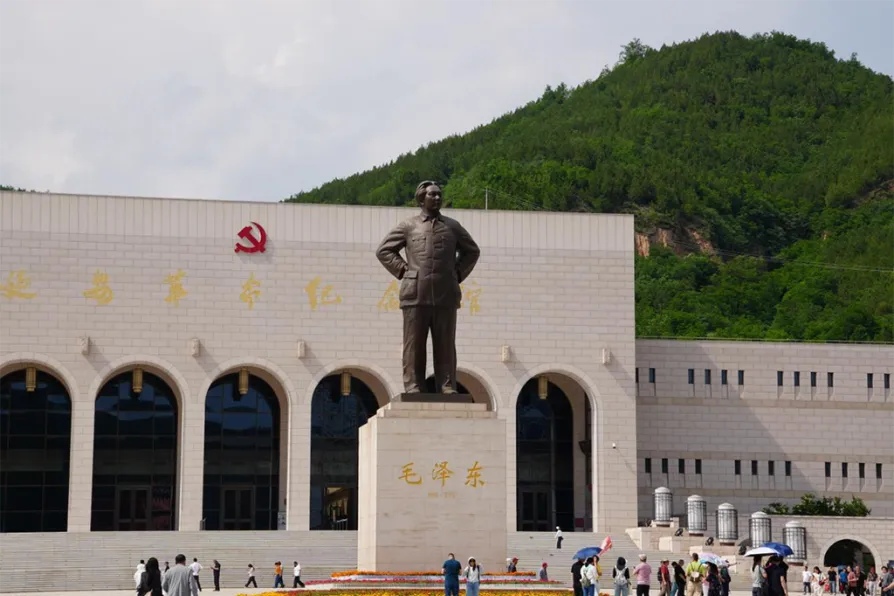
The world’s largest communist party marked its 105th birthday this week — and remains true to its principles and firm in its course, says OLIVER VARGAS
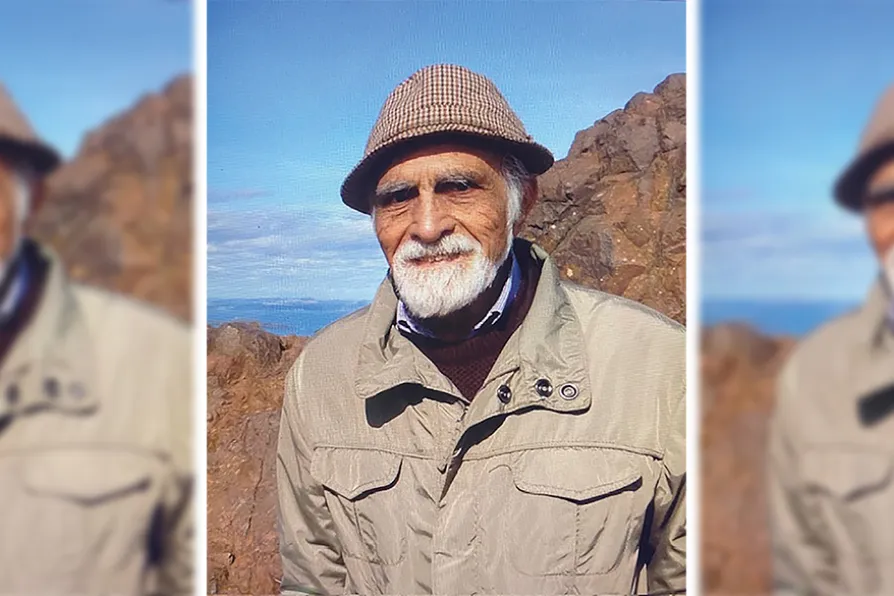
19.01.1930-23.04.2026
Kate Clark pays tribute to Ricardo, whose life spanned the hopes of Allende’s Chile, the horrors of military dictatorship and decades of campaigning for justice in exile
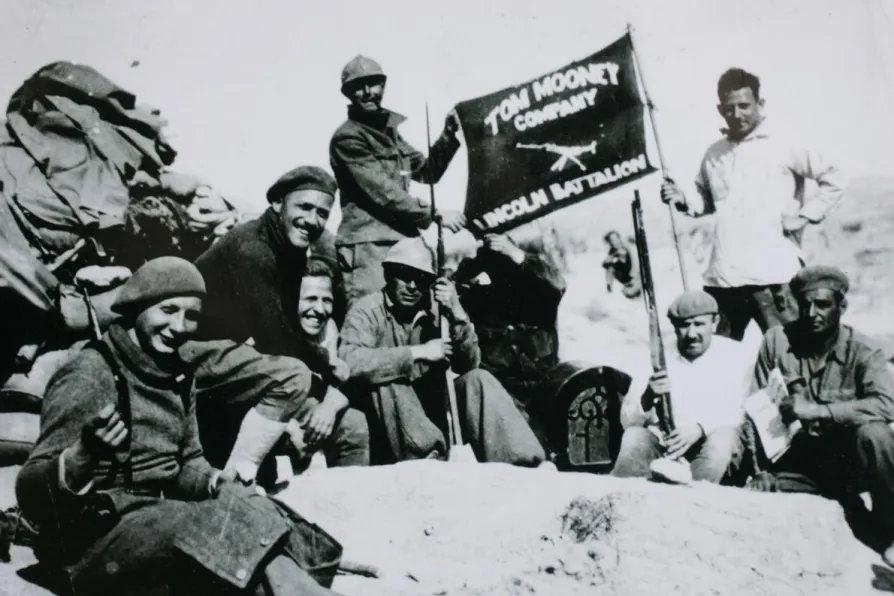
CJ ATKINS commemorates one of the most dramatic moments in working-class history

One of the major criticisms of China’s breakneck development in recent decades has been the impact on nature — returning after 15 years away, BEN CHACKO assessed whether the government’s recent turn to environmentalism has yielded results