Police crackdowns on Israeli peace demonstrators combined with court rulings and settler organisations are designed to strip Palestinian families of their homes and land. The Israeli state has tried to silence both Israelis and Palestinians who resist, according to Zo HaDerekh (This Is The Way) the Communist Party of Israel’s Hebrew-language weekly


 Latest editorial

The scramble for Greenland
As climate change makes vast mineral deposits accessible, the island’s 56,000 residents face unprecedented pressure from Trump’s territorial ambitions while struggling to maintain their traditional way of life, writes JOHN GREEN
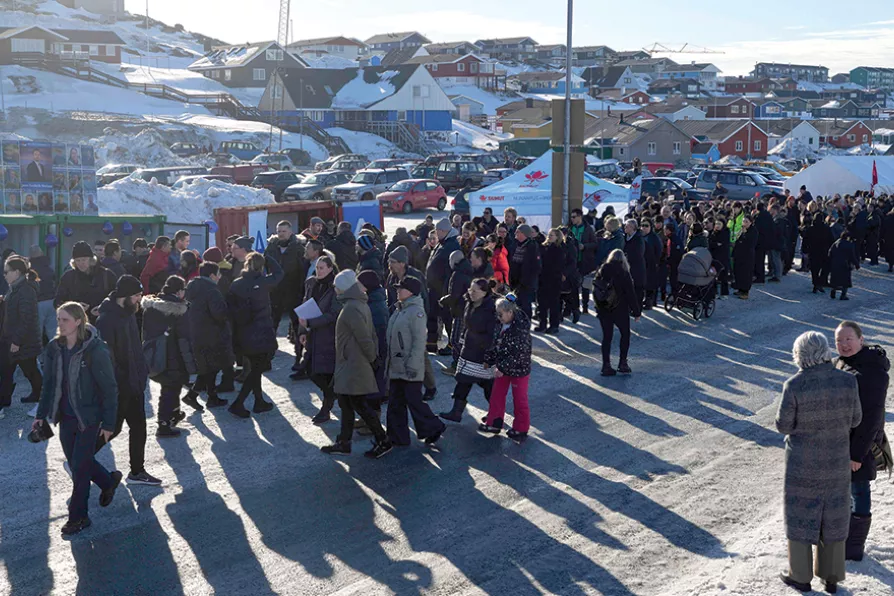 CRUNCH TIME: Voters queue outside a polling station in Nuuk, Greenland on Tuesday

The attacks on black academics are well-funded and relentless, writes DIANE ABBOTT, and they need to be fearlessly resisted by all concerned
Communists in Australia, Britain and the US outlined a joint state agreement against their governments’ militarist provocations.
Extreme hot weather resulting from environmental change needs to be tackled through greater firefighting investment instead of fewer jobs and less resources, writes COLIN BROWN
Faced with crises in every direction, Volodymr Zelensky is rewriting his country’s complex history by paying homage to the founding fathers of Ukrainian ultra-nationalism and courting their modern heirs, writes KENNY COYLE
There are many intricate details about the new Saudi, Turkish and Pakistani alliance we do not yet know, suggests ROGER McKENZIE, but its impact could be considerable





ON MARCH 11, Greenland went to the polls. Since 1979, Greenland has had its own prime minister who is able to govern at a local level. He or she has to come from the party with the most seats, which is currently the socialist Inuit Ataqatigiit party, with Mute Egede as prime minister. Pre-election polls indicated that the Ataqatigiit party would remain the strongest party.
The parliament — the Inatsisartut — has just 31 MPs who are chosen from six political parties, two of whom are in the governing coalition of the Inuit Ataqatigiit and the Simiut parties.
When it comes to bread-and-butter issues — cost of living, schools, healthcare — Tuesday’s election was “not that exceptional,” says Greenlandic politician Aaja Chemnitz Larsen. It will, though, potentially be the most significant in the island’s history.

Similar stories

Plaid Cymru’s Caerffili by-election win raised hopes on the left — but the complex realities of Wales suggest the Senedd election may be far less predictable, argues CATRIN ASHTON
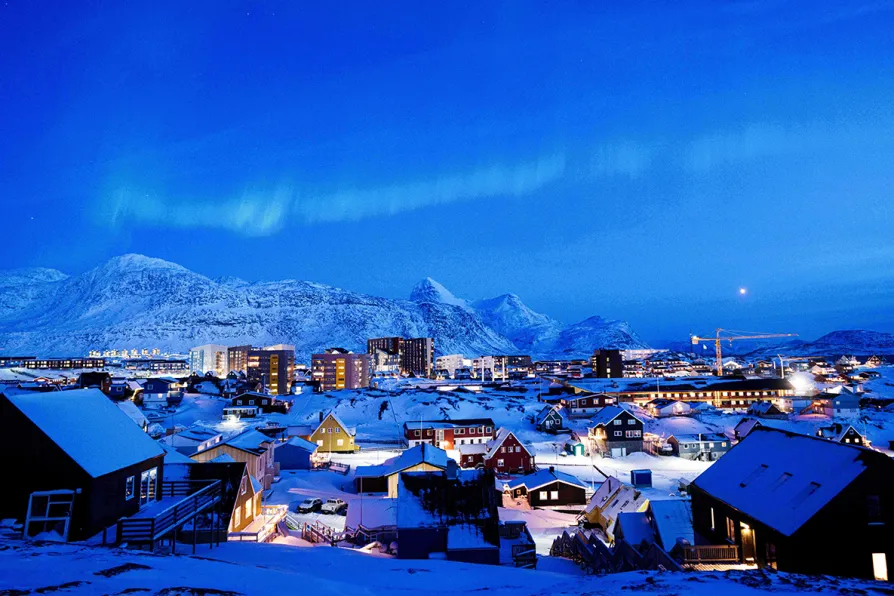
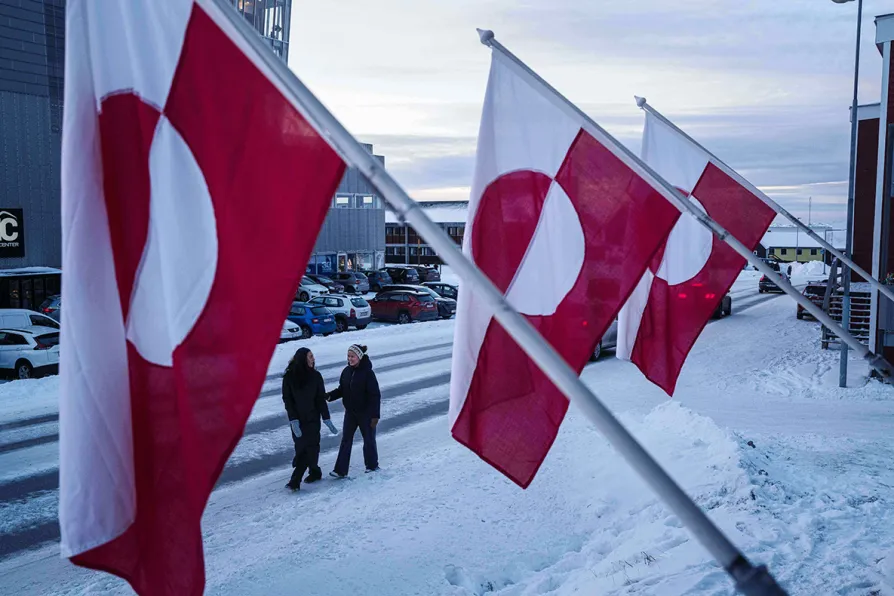
Despite opposition from Greenland’s people and Denmark, Washington intends to control the Arctic territory one way or another. Strategic dominance, mineral wealth and military power are the driving forces at play, writes ROGER McKENZIE