TUC president and POA leader STEVE GILLAN speaks to Ben Chacko on the eve of Congress 2026


 Latest editorial
Labour’s plan to make work pay
Professor Keith Ewing and Lord John Hendy KC examine the new deal for workers outlined in the King's Speech and what should follow it
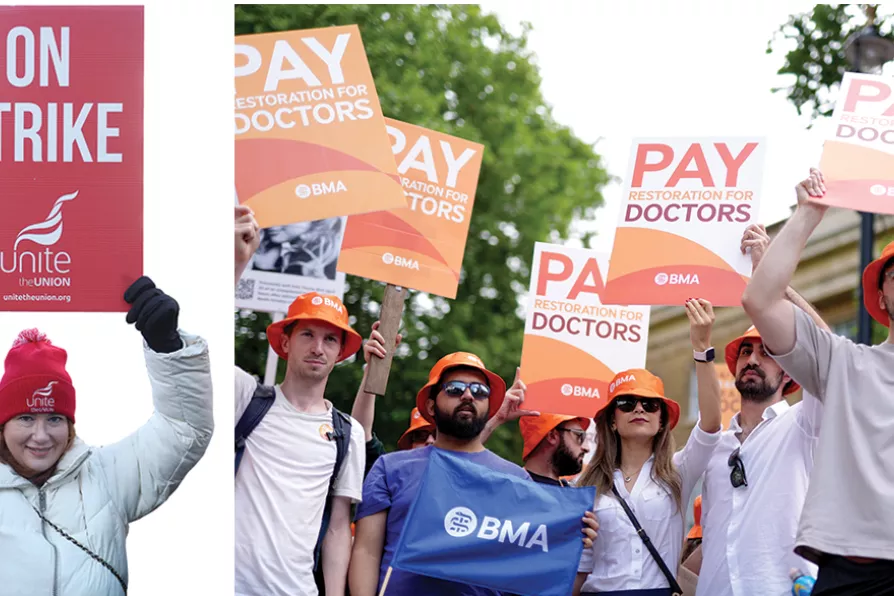 LABOUR'S TO DO LIST: Sort out strike rights and collectice bargaining

DOUG NICHOLLS welcomes a turning point at this year’s Congress, where many motions call for a co-ordinated plan to revive British industry, a perspective outlined in his new book
HOPE VIRGO of campaign Dump the Scales warns MPs voting today they should be alert to the threat legalised assisted death poses to people with eating disorders
The Together Alliance is hosting two summits, North and South, to build power and plan action against the scourge of racism peddled by the right. DANIEL KEBEDE urges mass participation
The drift toward militarisation in Europe is not inevitable, left-wing and peace movements can preserve sovereignty and prevent war, says DÁIRE HUGHES MP
Whatever differences exist among international sympathisers of the Bolivarian revolution about its current trajectory, they should unite against the imperialist power that is the source of an enforced retreat, argues ROGER D HARRIS
Trade unions need to step up and force a turn in the policies of the labour movement to effectively confront the far-right threat, argues NICK WRIGHT





I
THE new government is to be congratulated for the commitment in the King’s Speech that it will honour its manifesto commitment to implement the proposals made in Labour’s Plan to Make Work Pay, the latest version of its New Deal for Working People.
The government’s proposals include major changes: employment rights from day one, doing away with zero-hours contracts, banning “fire and rehire,” easing the conditions for statutory sick pay, allowing workers to take carers’ leave and bereavement leave, ensuring workers have the right to switch off, extending full employment rights to all workers other than those truly in business on their own account, and much else besides.
II
But although most welcome, even if fully implemented these changes to individual rights will not address the real problem faced by the overwhelming majority of our 31 million working people. That problem is lack of power at the workplace, with the vast majority of workers having no control over — indeed, no input into — the terms and conditions on which they work.

Similar stories

Our priority must be to defend hard-won protections while linking equality law to trade union power and wider social transformation, says MARY DAVIS, on behalf of the Women’s Liberation Alliance

The new Employment Rights Act is a step forward, but restoring collective bargaining and union power remains essential to tackling insecurity, outsourcing and low pay, says PAUL WHITEHOUSE
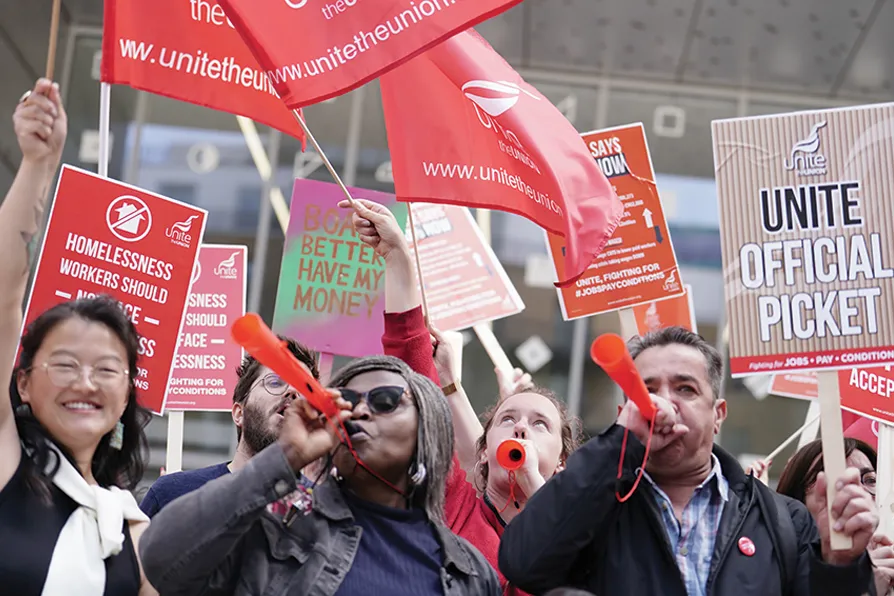
The unions are unhappy with the Employment Rights Act 2025 and with good reason. KEITH EWING and Lord JOHN HENDY KC take a close look at why the Bill promised more than it delivered
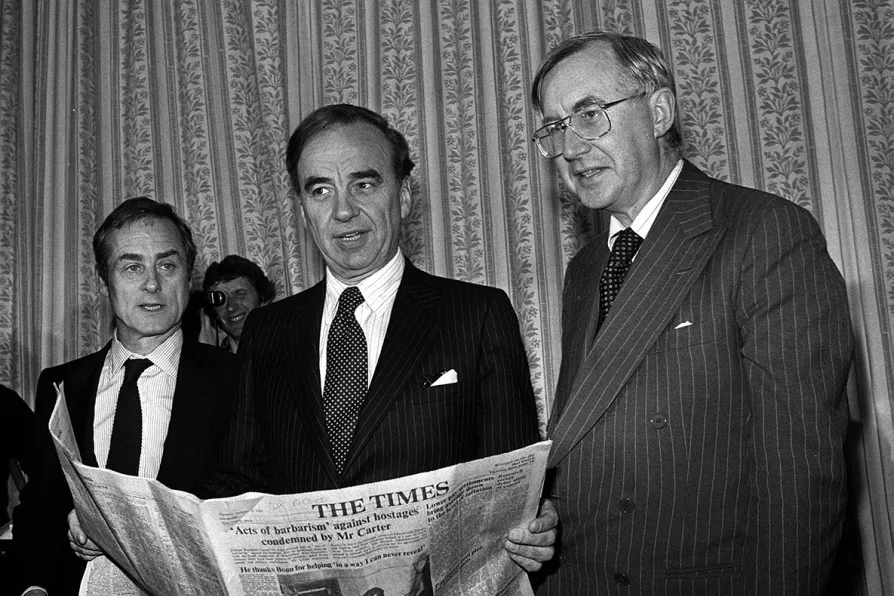
Four decades on, the Wapping dispute stands as both a heroic act of resistance and a decisive moment in the long campaign to break trade union power. Lord JOHN HENDY KC looks back on the events of 1986