Latest editorial

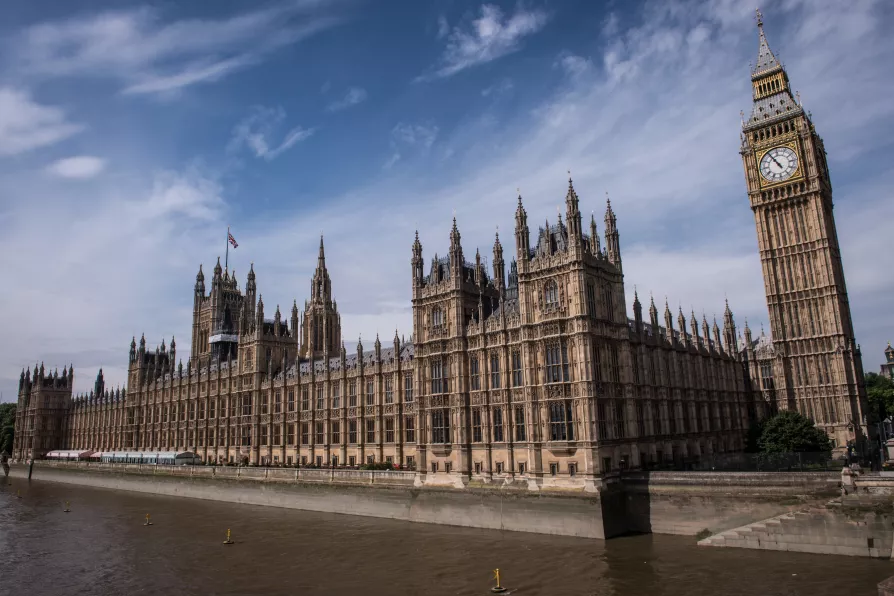 The Palace of Westminster, which contains the House of Commons and the House of Lords, in central London

Waiting for the grander vision to emerge





THE House of Commons returns to work next week after its summer recess. The left, in Parliament and outside, faces pressing issues.
First, how is the novel, if small, independent left in Parliament to organise? The five progressive independents elected last month have made a good start to their work, standing together not just on issues relating to Gaza but on economic and social policy too, as the statement they issued in response to Starmer’s “more austerity” speech showed.
It must make sense for the five to give themselves a higher collective profile and coherence. Forming a group would have advantages in terms of parliamentary procedures and resources.
More importantly, it would correspond to the needs and wishes of tens of thousands of socialists, and much of the Muslim community, to see a viable political alternative to Labour take some institutional form.
That is not to form a new party, at least not at the present stage. If that is to develop it must rest on broader foundations and a greater groundswell of discontent with the Labour government. Given the prospectus that Starmer has set out, it is not hard to envisage that emerging.
It is already important that the government faces challenge from the left, both from the independents and the Greens. But there is a far broader mass of people, many first attracted to politics by Jeremy Corbyn’s leadership of Labour, who are now largely demobilised and detached.
The five independents, along with similar candidates who made a major impact in the election, like Faiza Shaheen, Leanne Mohamad and Andrew Feinstein, have a responsibility to address that deficiency.
A second, if related, issue concerns the seven Labour MPs stripped of the whip for voting to lift the cruel and punitive two-child benefit cap which pushes hundreds of thousands of children into life in poverty.
We can be sure they cast their vote in line with the wishes of virtually every Labour Party member and voter, and many more besides. But Starmer, the most authoritarian leader the party has ever endured, responded by pushing the seven out of the parliamentary party (PLP) for a six-month period, with no certainty of a restoration of the whip even then.
It would seem clear that the seven will only be restored to Starmer’s good graces if they cease all manifestations of active dissent.
Clear, too, that any further rebellion if they once again become Labour MPs would mean permanent exclusion from the party whip.
Doubtless, opinions will differ among the seven as to the best way forward. Considering July’s election results, perhaps two of the seven could reasonably hope for re-election against Labour in their constituencies.
However, the next election is almost certainly five years away. It would be rash to anticipate what state the Labour Party will be in by then. It starts with the most attenuated base of any newly elected government in history, and has not exactly advanced subsequently.
Splits from Labour have genuinely substituted the strong feelings of a minority of activists for the mood of the masses, and our present electoral system is unforgiving, so there is every ground for caution.
The alignment of most trade unions with Labour is critical too – but it is also important that the unions are willing to challenge the government, as Unite’s Sharon Graham has done this week.
There is a visible fragmentation taking place in politics, with new forces and alignments emerging on left and right. It is vital that a coherent socialist voice is heard in Parliament, and that the millions who want socialist change have a standard to rally around.

The PM leaves office having squandered Labour’s electoral mandate and alienated its grassroots. He will not be missed, writes BRIAN LEISHMAN MP
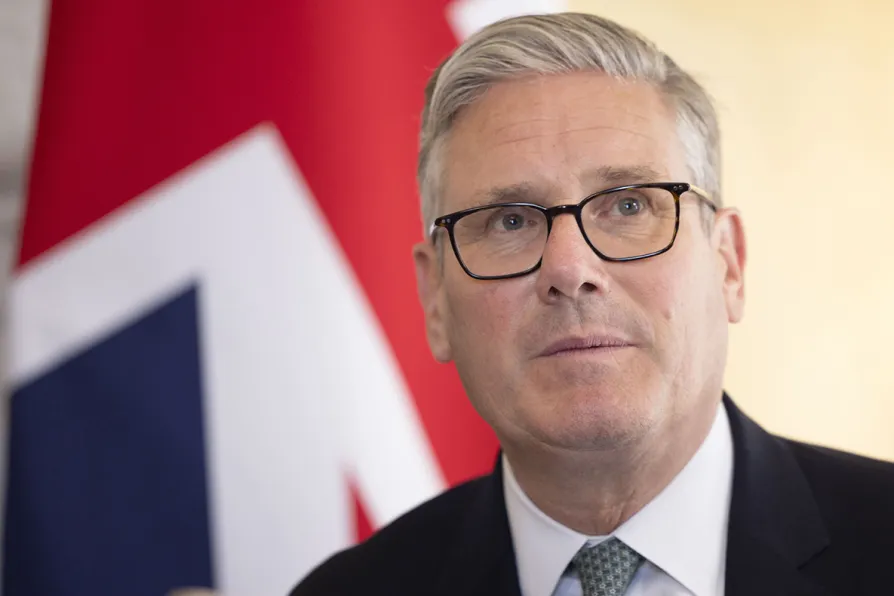
Keir Starmer's early political life suggests a very different future from the one he ultimately embraced, says KEITH FLETT