The 25th anniversary meeting of the Shanghai Co-operation Organisation in the Kyrgyz capital may offer a glimmer of hope that international relations do not need to be defined by endless confrontation, writes KENNY COYLE


 Latest editorial

Labour needs a national food strategy to tackle hunger
We need a ‘right to food’ enshrined in law and universal free school meals, as 7.2 million households face food insecurity after years of devastating failed Tory policies, writes ANNETTE MANSELL-GREEN
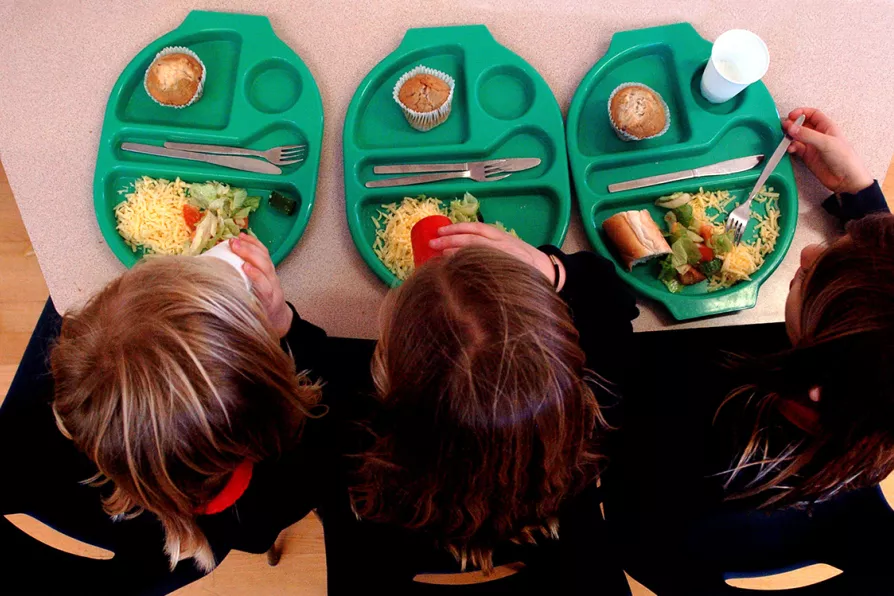 Pupils eating school dinners, March 2007

The artist, who has just died, is embedded in the subconscious of the Palestinian people
The five young men killed in the A66 crash were responsible for a devastating tragedy — but the crash should force us to ask difficult questions about wider society, argues RENATA MEDEIROS MIRRA
The unwillingness of the British political elite to acknowledge that we are on the edge of a direct conflict with Russia leaves the peace movement with an urgent and onerous task
Committee for the Defence of the Iranian People’s Rights general secretary GAWAIN LITTLE discusses the impact of the US-Israeli war on the Iranian people and economy
Capitalism has extracted itself from crisis before, argues PRABHAT PATNAIK – but through methods no longer available. So it is turning to authoritarianism, militarism and neocolonialism





IN 2022-23, 7.2 million households were food insecure in Britain. Currently, 30 per cent of children in England — 4.3 million — are living in poverty. Recent surveys conducted by Survation for the National Education Union reveal that 52 per cent of struggling parents in England are cutting back on their food shopping due to rising costs. Furthermore, 37 per cent of children in England know someone at school who doesn’t have enough to eat.
Globally, we produce one-and-a-half times more than enough food to feed every man, woman, and child on the planet. People go hungry because they are poor and don’t have enough money to buy the food being produced.
There is no scarcity of food. In reality, the scarcity narrative was produced by corporate food regimes to serve their interests through capitalism. Food has transformed from a necessity to a commodity solely for profiting from its high demand. Any resulting detriment to health appears to be collateral damage in favour of corporate greed.

Similar stories


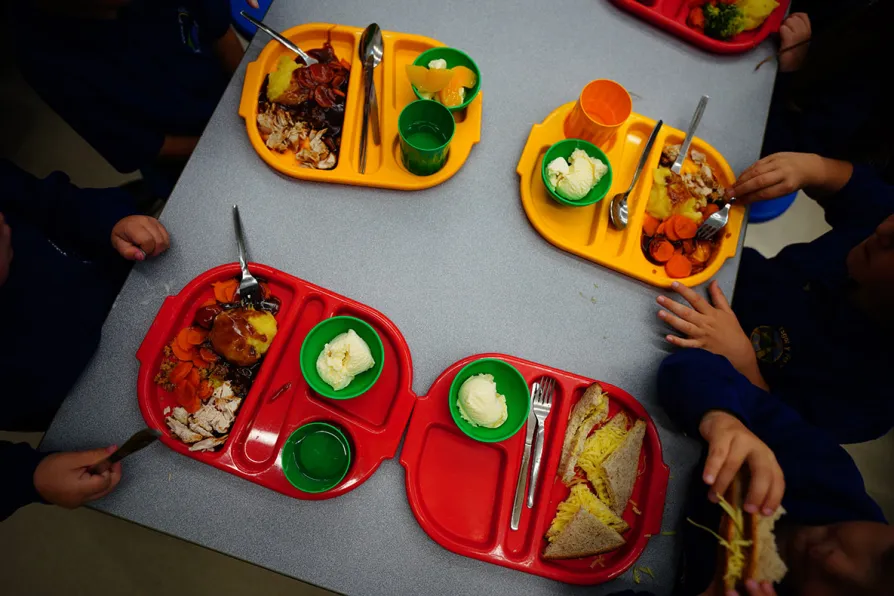

With 121,000 vacancies and 44.8% of staff feeling unwell from work stress, the NHS 10-year plan will not succeed unless the government takes immediate action to retain existing staff, writes ANNETTE MANSELL-GREEN