ROB WARZYNIAK wades knee deep through a pile of ‘dead canaries’ of Trumpist policies which exacerbated the horrors of US capitalism domestically


 Latest editorial

Class, nation and socialism: 10 years on
VINCE MILLS reflects on the Scottish independence referendum of 2014 which took place in a period of austerity following the great banking crash of 2007-08 and with deindustrialisation in full swing – a context of relevance today
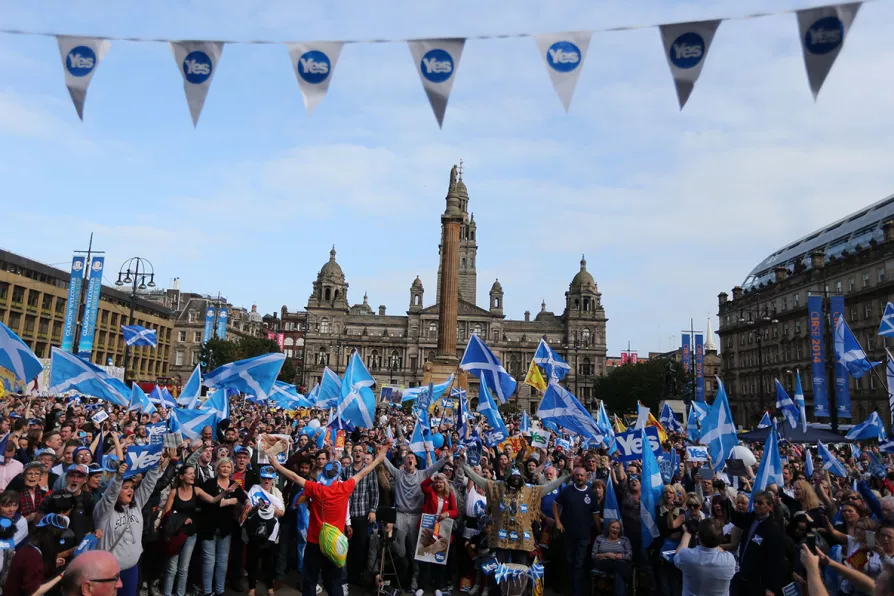 YES supporters at George Square, Glasgow, ahead of the Scottish independence referendum, September 17, 2024

Without evidence or Nato consultations Berlin’s answer to the Leipzig incident is a rupture of relations. SEVIM DAGDELEN examines why
FRANCISCO DOMINGUEZ introduces the background to a conference on defending Latin America’s sovereignty
The glacier collapse in Nepal is yet another warning that a warming planet is making Himalayan disasters more frequent and destructive – but the countries facing the greatest risks are often those least responsible, says LI YANG
Nick Blair is set to benefit from a hugely lucrative contract to ‘virtually’ train the British army for its next war. Like father, like son, writes SOLOMON HUGHES
Even when tragedy strikes, Western media cannot resist the opportunity to turn it into a sordid propaganda opportunity, as the Nepal-China border tragedy shows, writes CARLOS MARTINEZ
Trade unions should be at the heart of the anti-racist push for reparations for the historic legacy and continuing impact of slavery, writes ROGER McKENZIE





THE crisis of capitalism, which provided the context and to some extent fuelled the vibrant Yes campaign described by Coll McCail in his excellent article on Wednesday, is still with us.
The question which has haunted the Scottish left before and since the referendum is how we can maximise unity in order to challenge the power of capital in Britain and Scotland.
The referendum took place during what Costas Lapavitsas in his book The State of Capitalism calls the “interregnum” that followed the great financial crash of 2007-08. The crisis, which was created, primarily, though not exclusively, through an excess of speculation by unregulated banks, was “resolved” in the core capitalist countries by state intervention — a bailout — leading to a massive expansion of the public debt.

Similar stories
CARLOS MARTINEZ responds to liberal hawk Simon Tisdall’s evidence-free China-bashing and asks whose agenda it really serves
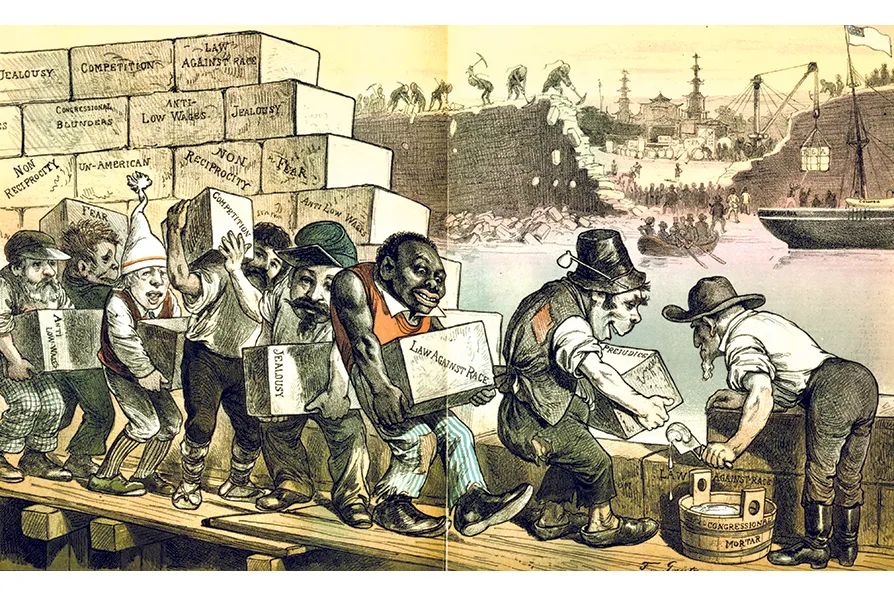
ROY WILKES takes issue with those on the left who argue immigration lowers wages — dividing resident and migrant workers only strengthens capitalist exploitation
Can Andy Burnham’s programme deliver a productive economy – or merely a softer version of capitalism, asks VINCE MILLS
KEVIN DONNELLY suggests that the task of transforming cultural spaces is far from over and that photography still has a key role to play