

 Latest editorial

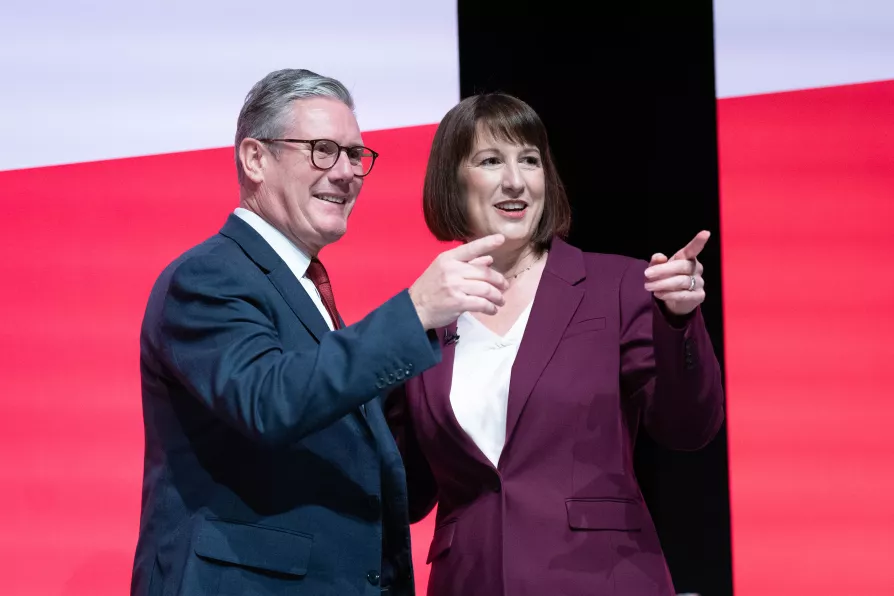 Prime Minister Keir Starmer congratulates Chancellor of the Exchequer, Rachel Reeves after she addressed the Labour Party Conference in Liverpool, September 23, 2024
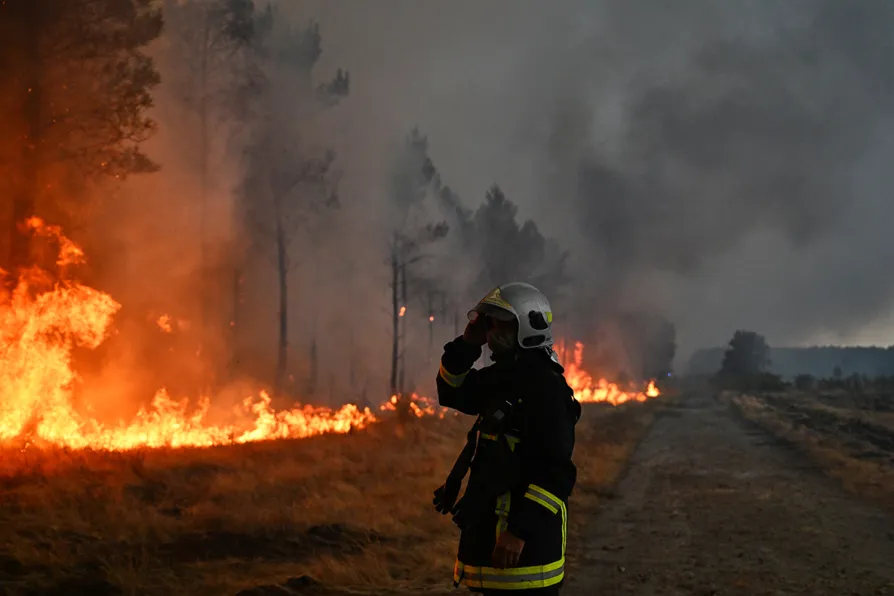
Waiting for the grander vision to emerge





LABOUR has not felt threatened by the Conservative Party conference in Birmingham this week.
Its just-defeated rival is without a leader and has less than a third as many MPs as the government.
The Tories are in denial: not one speaker addressed the real causes of electoral defeat.
But this is less reassuring than it should be, because Labour too is in denial — about the nature of its victory and the urgency of delivering palpable improvements in living standards and public services.
The explanation for the collapse in Conservative support between 2019 and 2024 is straightforward. It was the sharp decline in quality of life felt by the majority of British people.
The most immediate cause was the cost-of-living crisis. While the inflationary crisis was global, British people were hit unusually hard because it came after more than a decade of falling real-terms wages.
Furthermore an asset-stripped, privatised utilities sector had not bothered to invest in reserves to mitigate shocks: Britain has gas reserves amounting to just 12 days’ usage, compared to 89 days in Germany or 103 in France, for example, leading to weaker resilience in the face of global price fluctuations. To cap it all our government of the rich, for the rich and by the rich did not take serious steps to control runaway prices.
At the same time, years of austerity and privatisation began to hit home across essential services.
The NHS, where Covid suddenly underlined the consequences of chronic understaffing, supply chain profiteering and servicing of inflated PFI debt. Education, where Michael Gove’s decision to scrap funds for repairs and construction blew up in the crumbling schools crisis of late 2023.
Water supply, where erratic weather due to climate change exposed the privateers’ failure to maintain the network, meaning huge rises in discharging raw sewage into rivers and the sea when it rained. Royal Mail, where a post-privatisation war on the workforce combined with diverting billions of pounds to shareholders prompted an unprecedented collapse in reliability. Rail, where a refusal to invest in track maintenance or adequate staffing made train travel an unpredictable misery.
These crises were — are — obvious and easily felt in people’s day-to-day lives, which isn’t to say that other, less visible, crises were not also crippling core state functions such as the courts and prisons. No government is likely to survive if people are poorer and every service they rely on is visibly failing.
There was no mention of this at Tory Party conference. But Labour should not be complacent.
Even in the face of this perfect storm, it was not able to win extra votes come July’s election: Labour lost half a million votes on 2019, proving itself less popular than ever, quite possibly because it lacked serious plans to tackle any of the above crises.
As the party in power, it will now be blamed unless things improve. And unlike Blair in 1997, it cannot lose millions of votes yet stay on top.
Keir Starmer’s own vote fell by half between 2019 and 2024: a similar fall next time round could see him ejected from Parliament. The Tory conference saw heated debate over a lash-up with Reform UK: and combined, the two outpolled Labour in July.
Later this month we face two tests. First, rabble-rouser Tommy Robinson plans a far-right march of tens of thousands on October 26: the labour movement needs to mobilise against the racists on an even greater scale.
A few days later, Labour will reveal its Budget. Unless our movement can force a shift away from the austerity economics trailed so far by Rachel Reeves, the societal decay the far right feeds off will keep spreading.
The Tories may be in denial, but while Labour is too, there is no guarantee we can write off either them or their far-right outriders.

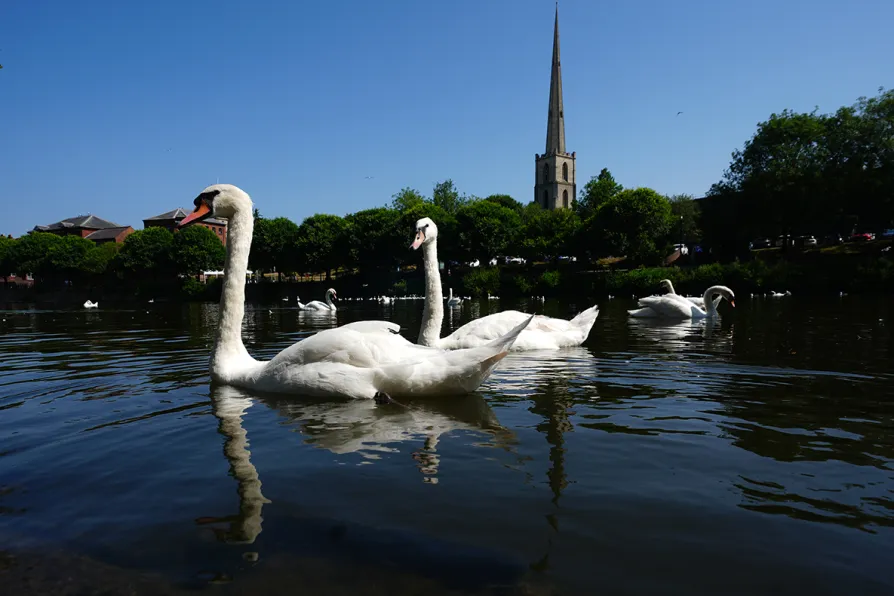
Capitalism has exploited — and polluted — our natural resources for too long, it’s time we treated our rivers as living beings, writes MIRIUM GAUNTLETT, LIAM SHAW and ROX MIDDLETON
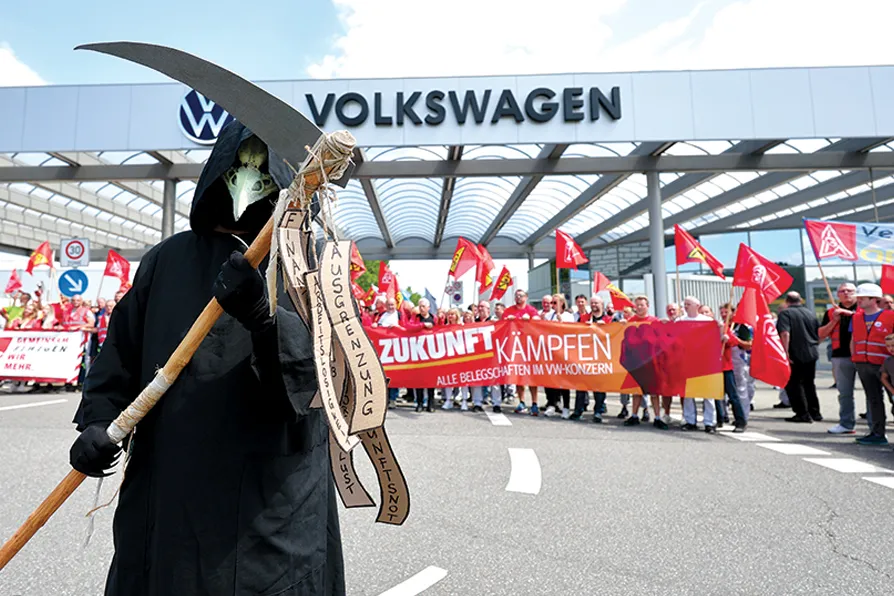
The future does not have to be climate chaos and social breakdown. MARC VANDEPITTE looks at the alternatives offered by the Global Justice Report, co-authored by Thomas Piketty


Every Starmer boast about removing asylum-seekers probably wins Reform another seat while Labour loses more voters to Lib Dems, Greens and nationalists than to the far right — the disaster facing Labour is the leadership’s fault, writes DIANE ABBOTT MP