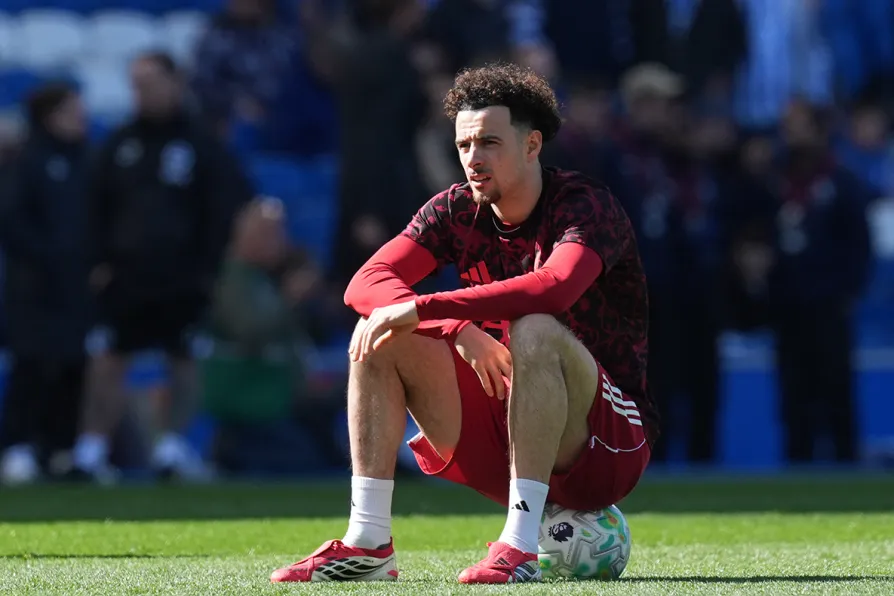
JAMES NALTON argues that Curtis Jones’s departure leaves Liverpool facing a stark local void as the club’s roots are increasingly swallowed by football’s globalised model



‘Protection of boxers needs to be a priority’
Following the untimely death of 28-year-old Irish boxer John Cooney, JOHN WIGHT explores how the sport can be made ‘safer’ than it is at present
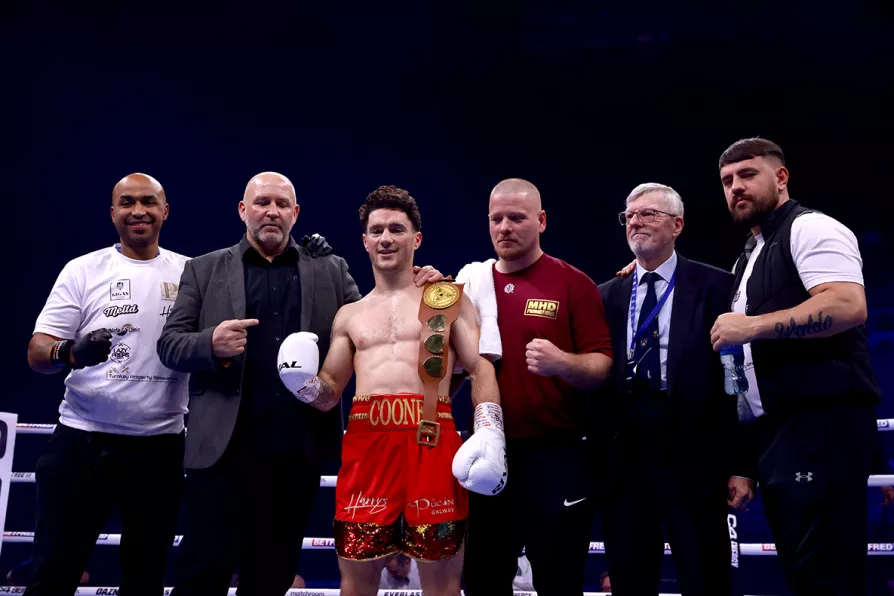
 John Cooney celebrating with his team after winning his Celtic Super Featherweight fight against Liam Gaynor, November 25, 2023
As antisemitism spread across Europe and the United States in the 1920s and 1930s, Benny Leonard and Jack ‘Kid’ Berg became symbols of hope and resilience, writes JOHN WIGHT





JOHN COONEY was 28 years old. In other words, he was a young man still within the parameters of his physical prime. Now he is dead.
Climbing into the ring in Belfast on February 2, the super-featherweight Celtic champion had every reason to believe that the future was bright. After all, the popular Northern Irishman’s boxing career was once again in the ascendancy after being out of action for a year with a hand injury, he was engaged to be married to his fiancee Emmaleen, and this defence of his Celtic title against Welshman Nathan Howells, if he came through as he was favoured to, would pave the way for more lucrative opportunities in the sport that he loved.
The cruel vicissitudes of life had a different fate mapped out for him, however, to the extent that a week after losing to Howells by stoppage in the ninth round, Cooney was pronounced dead from a catastrophic head injury at Belfast’s Royal Victoria Hospital. It marks yet another ring fatality and along with it, a shuddering reminder of the inherent dangers of a sport which amounts to organised violence and unarmed combat.

Similar stories
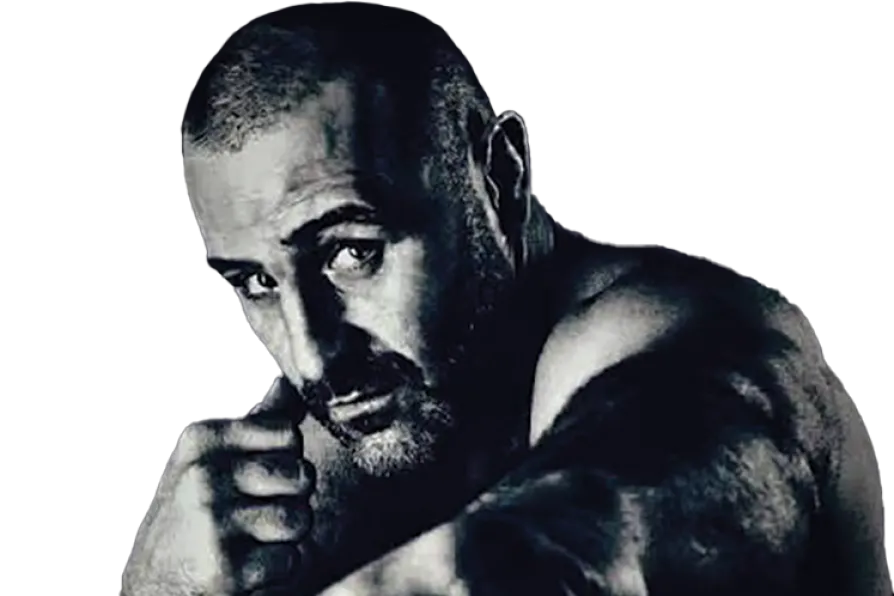
JOHN WIGHT meets the former British champion whose greatest battles have been fought outside of the ring
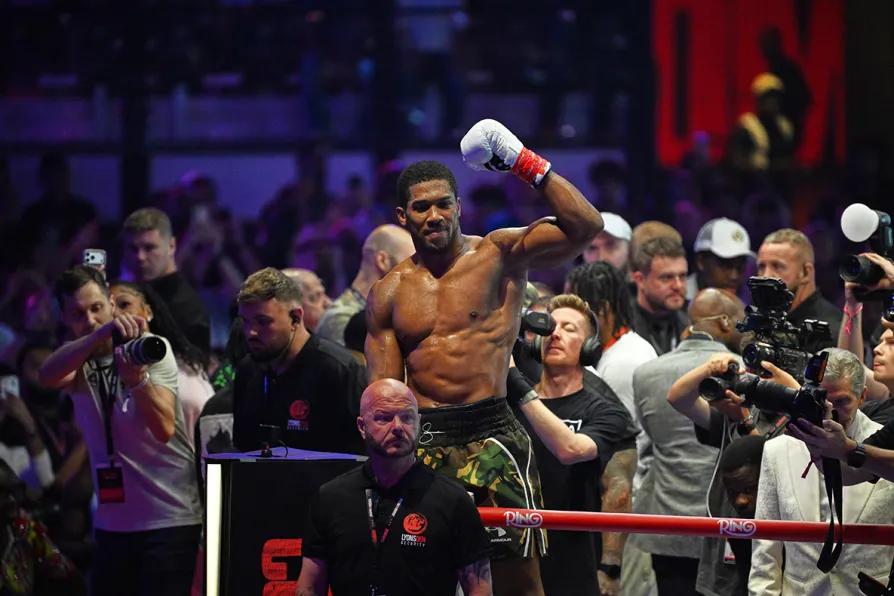
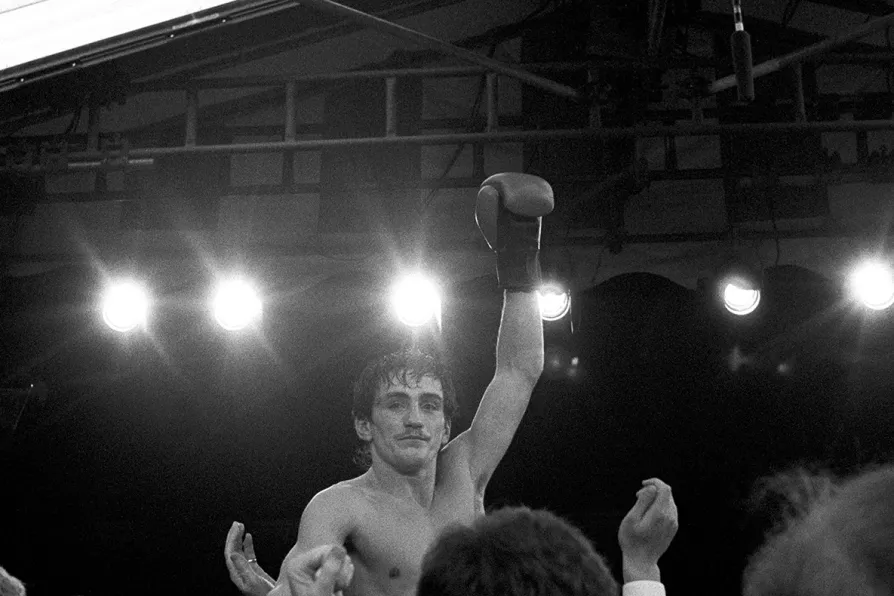
From Barry McGuigan and Carl Frampton to Tyrone McKenna and Lewis Crocker, the city’s fighters carry a complex history into the ring, writes JOHN WIGHT

SYLVIA HIKINS recommends a fascinating, revealing, superbly acted evening of theatre