The UK Prime Minister may have the regal touch in northern England, but he’s been wrong-footed on the constitutional challenges posed by the Celtic Alliance of first ministers from Scotland, Wales and Northern Ireland, argues KENNY MacASKILL


 Latest editorial
Market illusions won’t solve the core issues of Britain’s housing crisis
A look at Taylor Wimpey’s accounts shows why Labour’s market-led housing strategy won’t deliver more, cheaper homes, as promised, says SOLOMON HUGHES
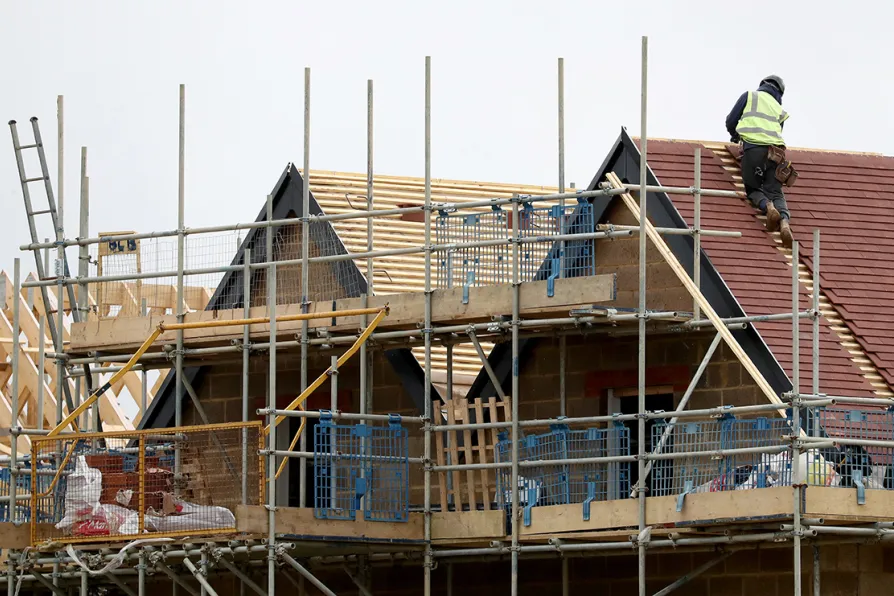 HOUSE CONSTRUCTION: Labour aims for 300,000 new builds per year [Pic: Gareth Fuller/PA Wire/PA 13/01/2020]
NEIRLAY ANDRADE, a member of the Communist Party of Venezuela’s political committee, outlines her party’s position on the crisis facing the country
DAVID HORSLEY remembers the remarkable life and death of US black revolutionary George Jackson, whose politically passionate prison letters were published as Soledad Brother
Cuban trade union federation CTC leader OSNAY MIGUEL COLINA speaks to Ben Chacko about life and work under a crippling US siege
A part of the British empire’s network of slavery, today the Caribbean island of Nevis faces a new form of exploitation in the form of crypto-colonialism, CLAUDIA WEBBE writes
Challenges from the unscrupulous misuse of AI to steal actors’ voice and physical likenesses is being met with a firm union response, writes LYNDA ROOKE





ANDY BURNHAM is sticking to Keir Starmer’s overall “housebuilding target.”
The plan is to tempt private housebuilding firms into erecting more houses by liberalising planning laws, hoping the extra houses on sale will cause prices to drop.
But the latest annual report of one of our best-known firms, Taylor Wimpey, shows why this market-led solution to the “affordability crisis” will probably fail.
Labour’s target is to get 1.5 million new houses built over the five years of this government. That’s 300,000 new houses a year. Current housebuilding rates bounce around 200,000 annually, so this target only means trying to get an extra 100,000 houses built each year.
As around one million houses are sold each year — the majority “second-hand” houses built many years ago — achieving this target may not move the market price that much even if it were possible.
But Taylor Wimpey’s annual report, which covers 2025, but was posted to Companies House this June, suggests why relying on the existing housebuilders means Labour will simply miss their target.
Taylor Wimpey boasts in its report that it is “one of the UK’s largest homebuilders.” It is a big money operation. In 2025 its turnover increased 13 per cent to £3.8 billion. There is also plenty of money sloshing around inside Taylor Wimpey, enough for chief executive Jennie Daly to be paid £2,687,000.
But for all the money flowing into the firm, this “large” housebuilder doesn’t actually build that many houses: Taylor Wimpey only built 11,229 houses in 2025. That’s slightly more than 2024, but numbers like these just won’t come close to meeting Labour’s annual 100,000 extra houses target.
Taylor Wimpey does have a “medium-term” target of building 14,000 houses a year, but even if it hits that it’s not enough to bring Labour anywhere near its ambitions.
Its modest housebuilding targets are going to disappoint Labour. But they leave Taylor Wimpey and their investors very happy. Because they are doing very well by building a relatively small number of houses at a relatively high price.
It may have only built 11,229 houses, but Taylor Wimpey sold those houses at an average price of £335,000, up 5 per cent on the previous year.
The average overall UK house price in 2025 was £270,000, an increase of 2.4 per cent.
Labour wants to encourage Taylor Wimpey into building more houses — and bring down prices — by offering it easier routes to planning permission. But why would it want to work harder to make less profit per house, when it is already doing so well?
You can also see the error of hoping deregulation will encourage “free market” housebuilders to build more, cheaper homes in some of the other figures in its annual report.
Profits at Taylor Wimpey actually halved in 2025, dropping to £146.5m. There were two reasons.
First, the firm had to increase its provision for fixing cladding over fire safety to £225.8m.
Second, the firm had to pay £15.8m into the government’s Affordable Homes programme, to settle charges from the Competition and Markets Authority (CMA) that Taylor Wimpey and six other housebuilders hadn’t been competing properly with each other.
The CMA suggested that instead of competing they had instead been sharing prices and other information.
Taylor Wimpey says it paid the money and agreed to accept binding commitments not to share pricing information with supposed competitors but made no “admission of wrongdoing.”
Even though Taylor Wimpey had seen profits fall for these reasons, it still paid shareholders a £330m dividend. The previous year it paid shareholders £339m.
So, this “free market” housebuilder erected homes that now require hundreds of millions of pounds to make them safe. They must pay millions to settle accusations they are “fixing” the market price anyway. Expecting it to do the right thing and build more, cheaper houses because they have been offered a few deregulation “sweeteners” seems very naive.
It is doing fine building a smaller number of expensive houses. They could easily use more liberal planning laws to simply cherry pick the best sites keeping volumes low and prices high.
If the government wants to have more, cheaper houses, there is only one sure, historically tested way to do it, the government must build more, cheaper houses directly, in the form of council houses.
Virtual reality army
A FORTNIGHT ago, I revealed that Tony Blair’s son, former football agent, Nick Blair, is a key player in a £2 billion British army outsourcing contract.
Nick Blair is chairman of Skyral, a firm that develops military training “virtual reality” software.
It is part of the Omnia Consortium, which won a 15-year, £2bn contract to provide training to 60,000 soldiers a year via virtual reality instead of physical exercises.
Blair has no obvious qualification for being a key member of a military-tech-training consortium, but his family name may well reassure investors, ministers and officials.
The other companies in the consortium also have “red flags” over them. US arms giant Raytheon is the biggest part of the Omnia consortium.
In 2024, Raytheon had to pay a $950m fine for bribery and “criminal schemes to defraud the US government,” including massive overcharging.
British outsourcer Capita is also part of the consortium. Its poor public record includes running army recruitment since 2012.
According to the MPs’ public accounts committee: “Capita’s performance has been abysmal since it started, and it has failed to meet the army’s recruitment targets every single year of the contract.”
So there is every reason to worry this military training privatisation will go wrong.
Soon after this story appeared in the Morning Star, the BBC reported that the Ministry of Defence (MoD) had told the army to stop many physical training exercises to “save money.”
The training includes “large live-fire exercises and rehearsing platoon attacks in UK training areas like Salisbury Plain in Wiltshire and Sennybridge in Wales.”
The army defended the move, saying it is “investing £2bn to transform training for the British army over the next 15 years” — meaning the deal with Nick Blair et al.
It’s quite overt, the MoD is cutting “real-world” training to “save money” but then handing over billions to these private firms for an untested “virtual reality” version led by Tony Blair’s son.

Similar stories
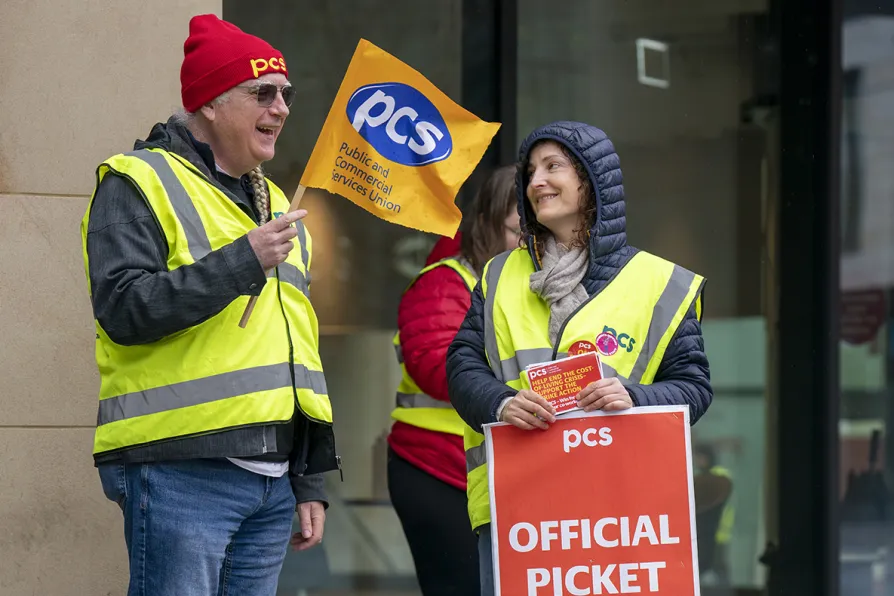
PCS is demanding the long-overdue return of essential services to public ownership, explains FRAN HEATHCOTE
![Virtual Reality [Pic: Remy Gieling / Creative Commons]](https://msd11.gn.apc.org/sites/default/files/styles/desktop/public/2026-09/remy-gieling-Zf0mPf4lG-U-unsplash.jpg.webp?itok=JEj_glX_)
Nick Blair is set to benefit from a hugely lucrative contract to ‘virtually’ train the British army for its next war. Like father, like son, writes SOLOMON HUGHES
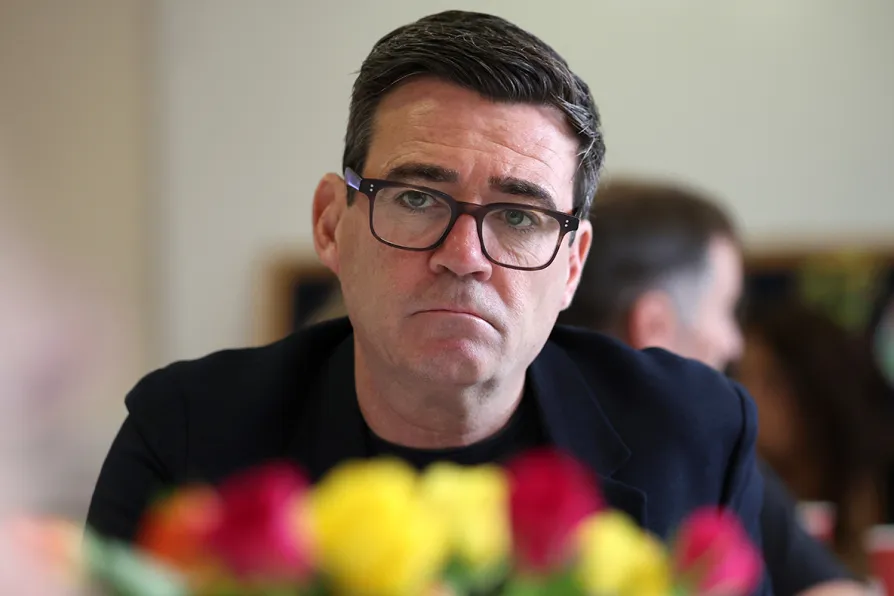
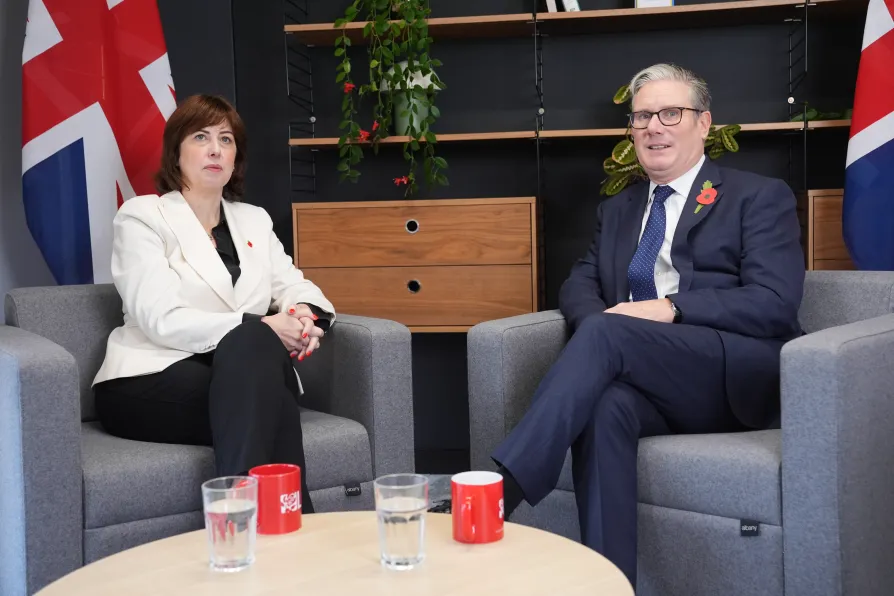
Martin Taylor, the hedge-fund multimillionaire who has poured millions into pushing Labour rightwards, helped finance Lucy Powell’s supposedly dissenting campaign — suggesting her victory was not the ‘soft-left’ rebellion some have claimed, says SOLOMON HUGHES