Latest editorial
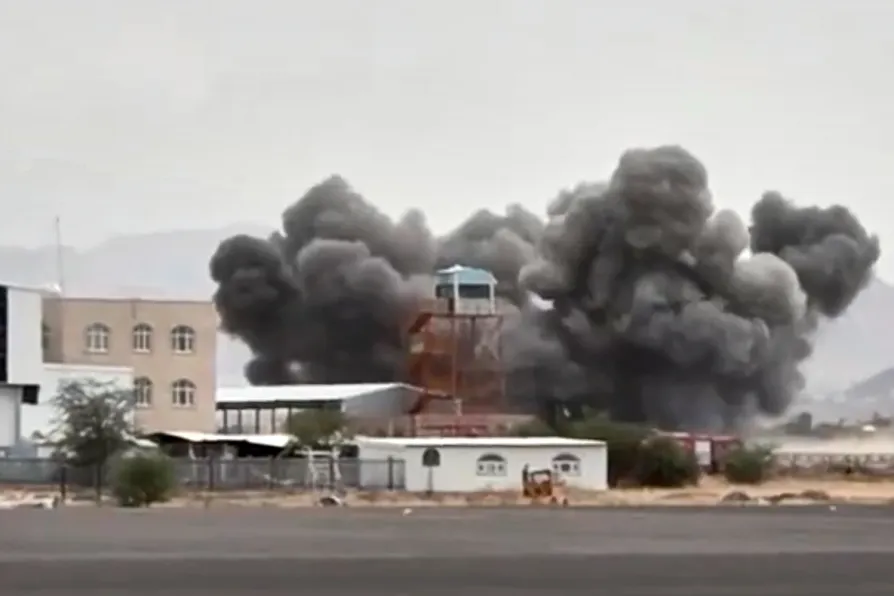 An explosion at the Sanaa International Airport compound during what the Iranian-backed Houthi rebels in Yemen said were several Saudi airstrikes in Sanaa, Yemen, July 13, 2026






YEMEN is at its highest risk of returning to war since the 2022 truce came into force, the United Nations warned on Thursday.
There has been an intensification of military activity in recent days, with attacks causing both military and civilian casualties, UN Special Envoy for Yemen Hans Grundberg told the UN security council on Thursday.
Fighters from the Houthi-led Yemeni government have clashed with forces from the Western-backed government in regions of Marib, Hadramout, al-Makha (Mocha) and elsewhere in the country.
The Western-backed Aden-based government reported repelling an attack on Taiz by Houthi-led forces and on Wednesday said it was carrying out artillery and drone attacks against Houthi forces across several governorates.
On Wednesday, the head of Yemen’s Presidential Leadership Council said every action undertaken by Houthi-led Yemeni forces will be met with “a comprehensive response or deterrence.”
Mr Grundberg told the security council that he was calling on both parties to immediately de-escalate and work towards strengthening the ceasefire.
Mr Grundberg also highlighted the need to work on “economic de-escalation” for the Yemeni economy, which has been decimated by over a decade of civil war.
He said he was urging the warring sides to work together to ensure commercial vessels continue to reach Yemeni ports, enable a resumption of oil exports and restart commercial flights to and from the Houthi-held Sanaa airport.
He insisted that on these issues, both sides in the conflict “have more to gain from co-operation than confrontation.”
Yemen has been mired in conflict since the Houthis seized the capital Sanaa in 2014, sparking a Saudi-led military intervention the following year that spiralled into a years-long war.
The Houthis and the internationally recognised government struck a truce in 2022 that has, until now, largely held. Progress towards a lasting agreement to end the war stalled in 2023 as tensions in the wider region escalated, Mr Grundberg said.