Latest editorial
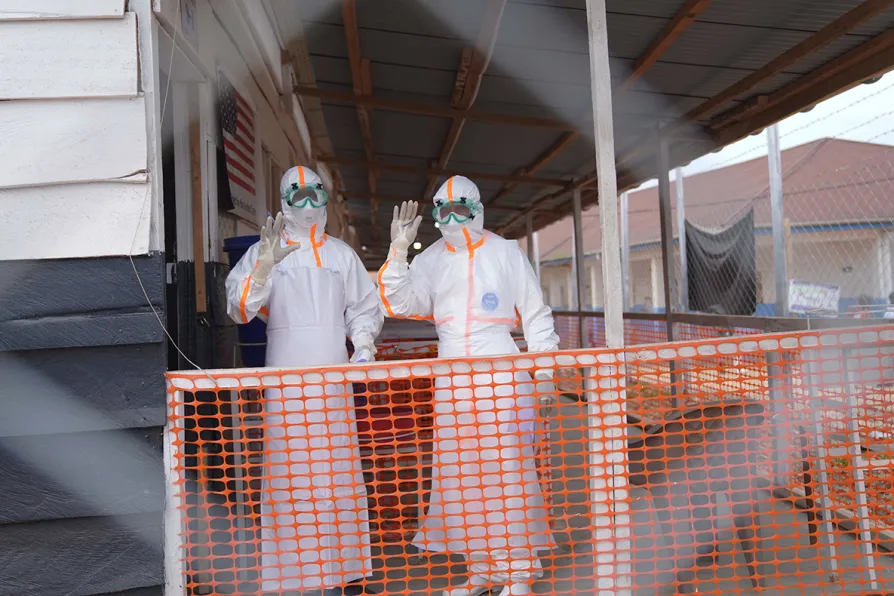 Health workers in protective gear wave inside an Ebola treatment centre in Bunia, Congo, August 10, 2026






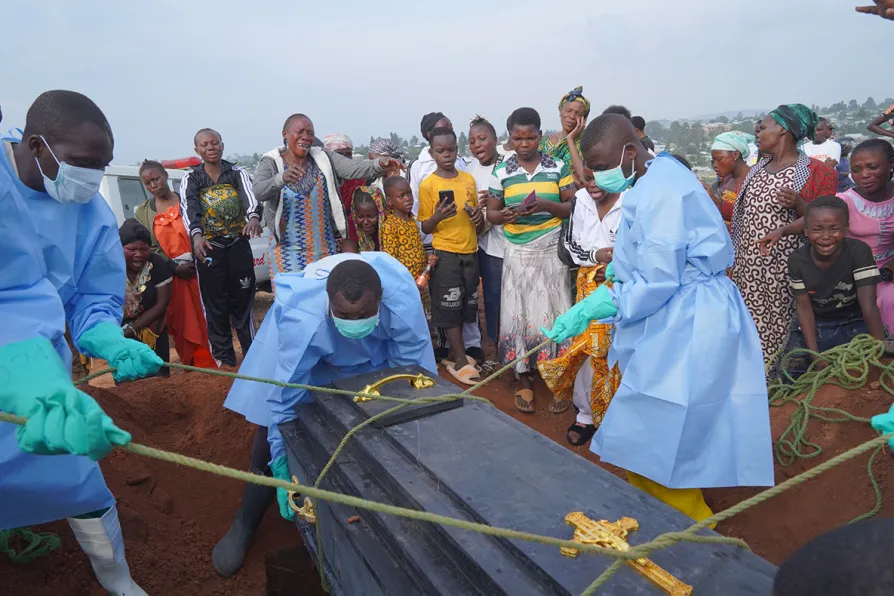
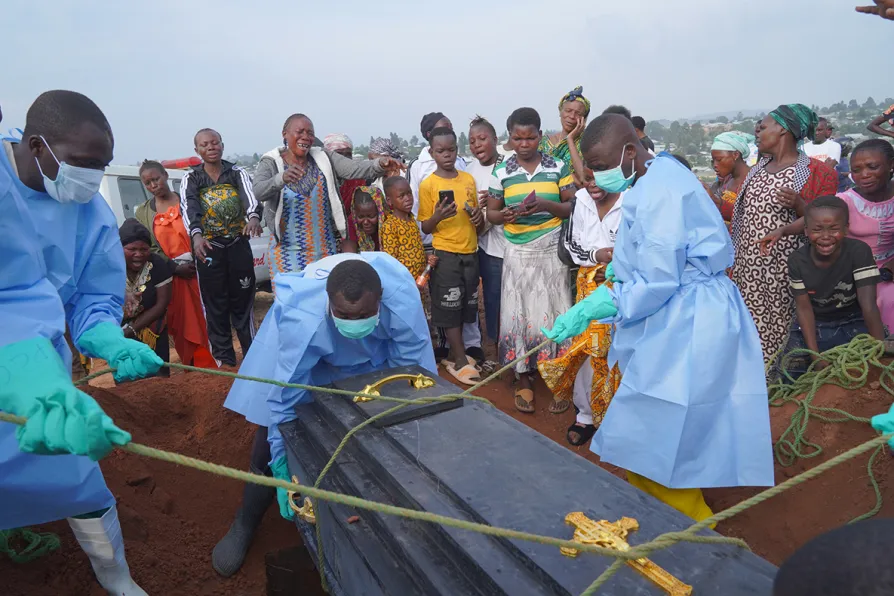
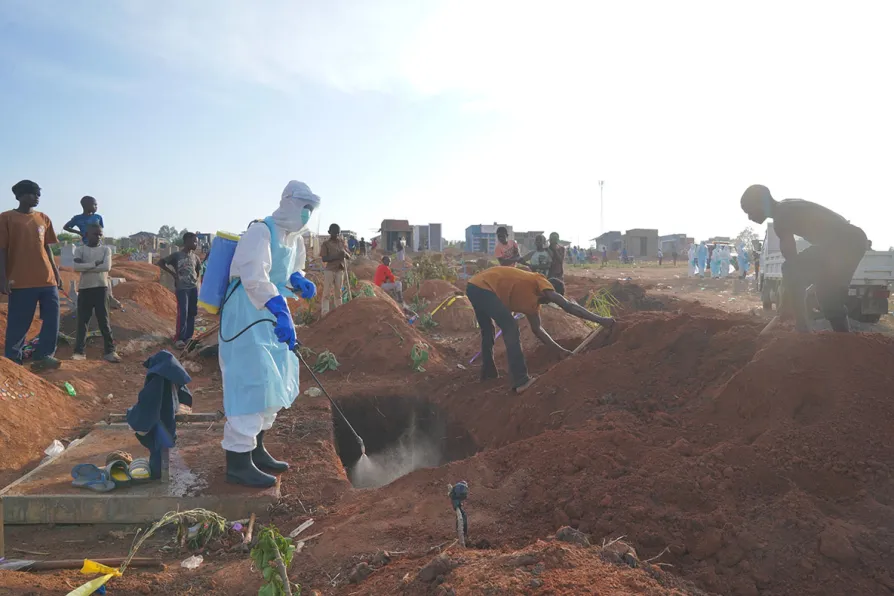
AT LEAST 2,000 people have died of Ebola in the Democratic Republic of Congo (DRC), whose current outbreak of the disease is the fastest growing on record, according to government data published today.
The figures show a total of 4,381 confirmed cases, including 2,011 deaths. A total of 704 patients are in isolation.
The grim toll comes nearly three months after the outbreak was declared on May 15.
While it took about nine weeks for the outbreak to reach 1,000 deaths, it’s taken roughly three weeks to record the additional 1,000 deaths, underscoring the complaints from health officials that help is not reaching remote localities quickly enough.
The Ebola outbreak is unlike most previous ones because the rare Bundibugyo virus responsible for it has no approved vaccines or treatments.
The World Health Organisation (WHO) said on Monday that it had started in February, long before authorities detected it in one of the country’s most remote and vulnerable areas.
WHO regional director for Africa Dr Mohamed Yakub Janabi told a news conference that sequencing had indicated the outbreak’s start. He said some cases early on had been wrongly attributed to other diseases, including malaria and typhoid.
“So we are chasing the virus; the virus is ahead of us,” he added.
The United Nations agency assesses the global risk of spread as low because Ebola does not travel through the air, making it much harder to transmit than respiratory viruses.
Cases detected outside the affected region have so far been quickly identified and contained without leading to sustained transmission, according to the agency.
Last week, WHO director-general Tedros Adhanom Ghebreyesu said Ebola was spreading faster than efforts to fight it.
Access to healthcare in the region had already been challenged by years of conflict in areas of the DRC bordering South Sudan, Uganda and Rwanda.