Latest editorial

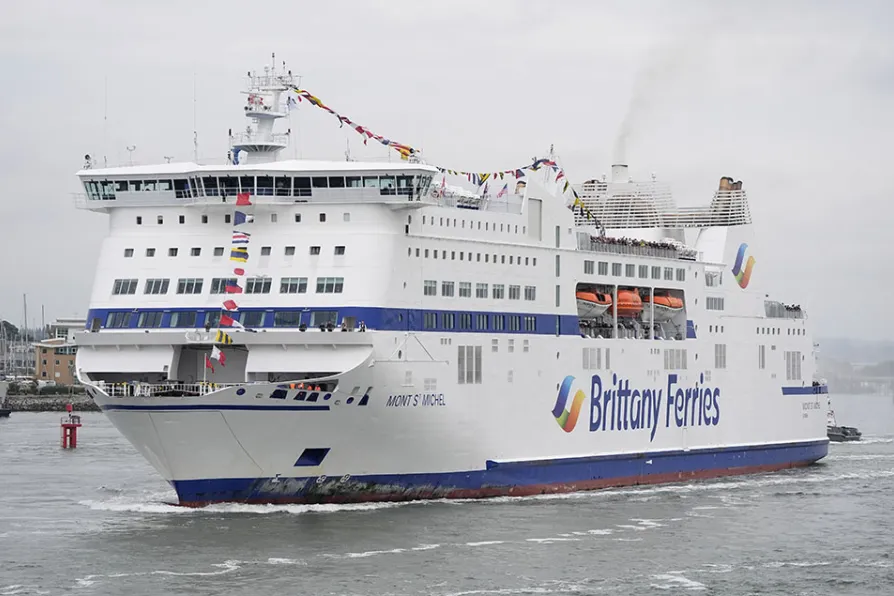





A FERRY operator has raised concerns over Britain’s 2050 net-zero goals as its ships start using £20 million taxpayer-funded infrastructure at one of the country’s busiest ports today.
Brittany Ferries will plug in its ships to an electricity supply during turnarounds at Portsmouth International Port despite this costing significantly more than burning marine fuel.
But boss Christophe Mathieu warned that operators are unlikely to follow its lead without government incentivising the extra expense.
Following months of negotiation to strike a deal with the port over financial terms, he hailed the “huge milestone for our business.”
“It means we can now realise the full potential of the greenest vessels on the Channel,” he said.
“We’re better neighbours to those living and working in Portsmouth, and we’re leading the sector on sustainability.
“But this doesn’t come without a cost. We’re urging the new government to consider tax breaks to offset the additional expense of plugging in while alongside [dock].
“Without that support, the lead taken by Portsmouth International Port and Brittany Ferries is unlikely to be followed by others in the drive to net zero.”
The shore power system was built to enable ferries and cruise ships to switch off their engines and plug into electricity when berthed, to cut carbon emissions and boost air quality.
The port completed its work on the project late last year, but no vessels have been using the infrastructure because electricity is several times more expensive than marine fuel and completing the connection to the grid was delayed.
Brittany Ferries’ two hybrid ships will plug in today, starting with Guillaume de Normandie ahead of its 8am departure.
The deal to use shore power lasts for at least the next 12 months.
The Sea Change project to enable ships to plug in at the port was funded by £19.8 million from the Department for Transport in September 2023 and £4.6m from Portsmouth City Council, which owns the port.
Port director Mike Sellers, who in February warned the system “could be a redundant asset” as it lay dormant, said: “This is a huge moment, not only for us but also for Britain’s ports industry as a whole as we are now the country’s first port to offer multi-berth, multi-user shore power.”


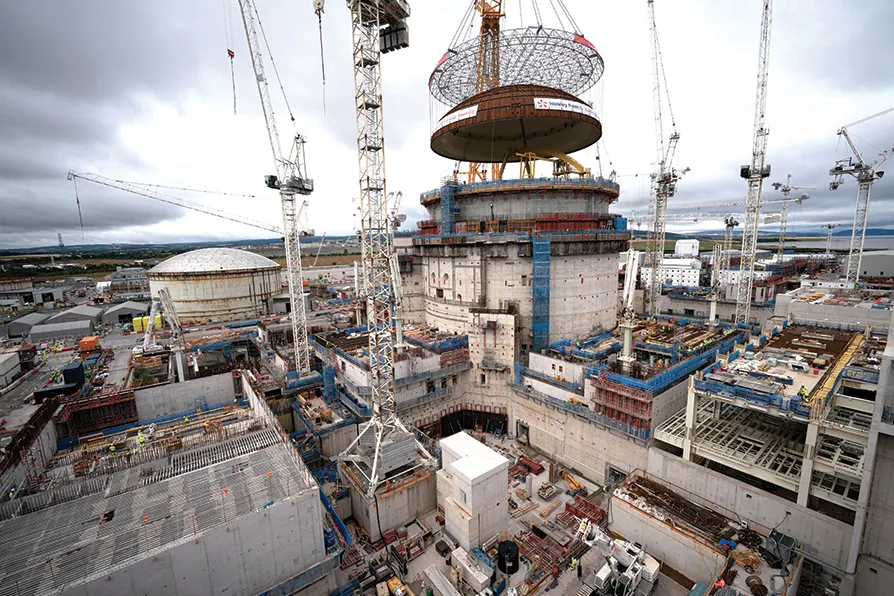
The Communist Party of Britain’s Congress last month debated a resolution on ending opposition to all nuclear power in light of technological advances and the climate crisis. RICHARD HEBBERT explains why

One of the major criticisms of China’s breakneck development in recent decades has been the impact on nature — returning after 15 years away, BEN CHACKO assessed whether the government’s recent turn to environmentalism has yielded results