


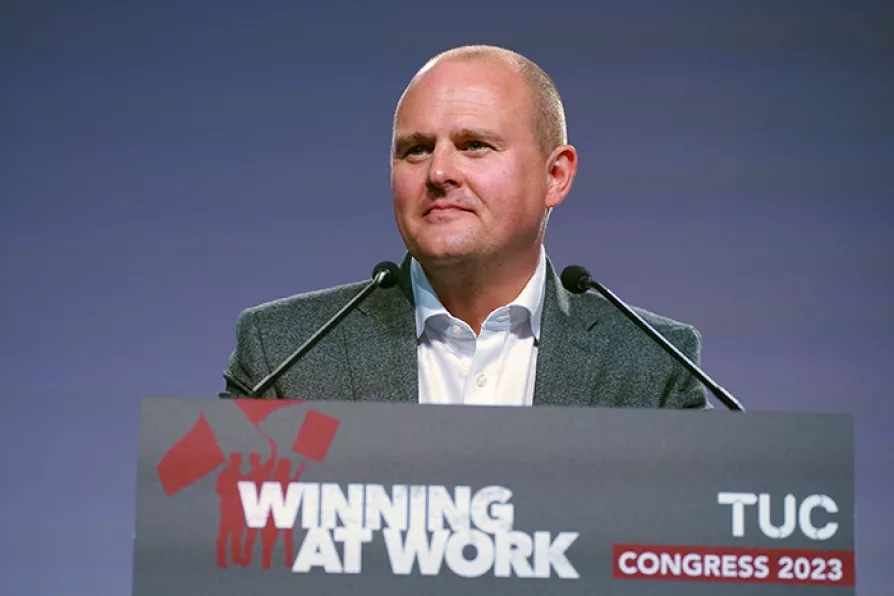
 TUC general secretary Paul Nowak






IT IS ONE hesitant step forward but a long way from what working people need and want.
The new Employment Rights Bill would ban zero-hours contracts, outlaw the “fire-and-rehire” tactics we saw with the Dover ferry dispute and extend existing employment rights to the first day of employment. It would ease trade union access to workplaces, junk the Tories’ Strikes (Minimum Service Levels) Act and the 2016 Trade Union Act. It takes a tentative step towards sectoral bargaining by proposing a vestigial version for the social care and teacher support sectors.
Each of these provisions touches on the problems workers face and a new poll shows an extension of workers’ rights is vastly popular including among Reform UK and Tory voters but the Bill as a whole fails to make quite the impact it could.

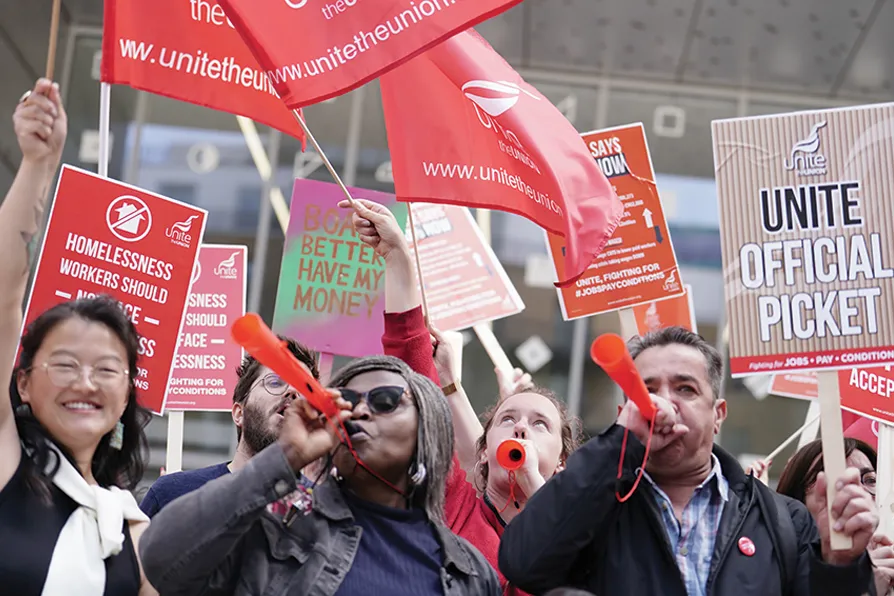
The unions are unhappy with the Employment Rights Act 2025 and with good reason. KEITH EWING and Lord JOHN HENDY KC take a close look at why the Bill promised more than it delivered
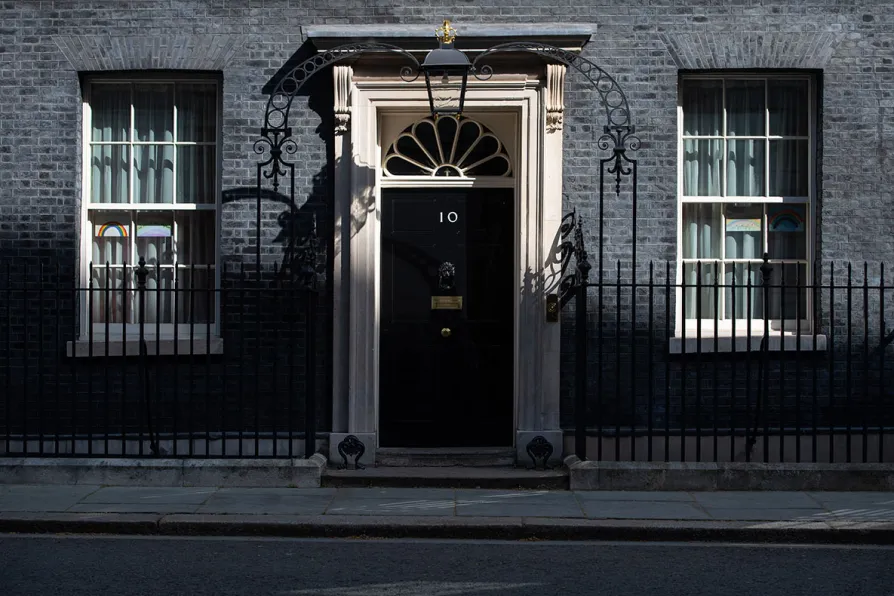
Labour’s long-promised Act has scraped through the Lords. While the law marks a step forward, its lack of collective rights leaves workers short-changed — and sets the stage for a renewed campaign for an Employment Rights Bill #2, argues TONY BURKE
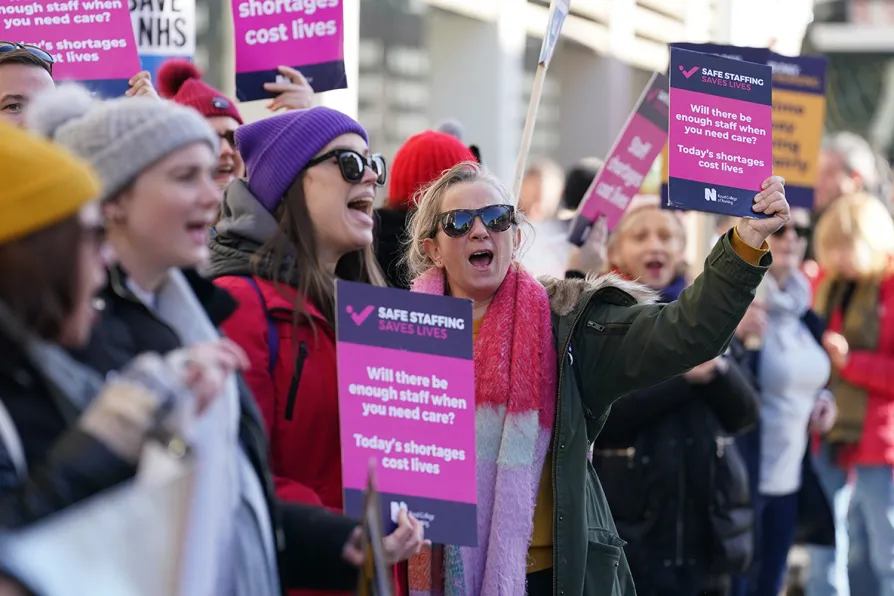
Employment lawyer ALICE BOWMAN warns ‘day one rights’ include an undefined ‘initial period’ and the zero-hours contract fixes create baffling fixed-term loopholes. If the Bill doesn’t work properly and deliver, Labour is doomed
Labour’s watered-down legislation won’t protect us from unfair dismissal or ban some zero-hours contracts until 2027 — leaving millions of young people vulnerable to the populist right’s appeal, warns TUC young workers chair FRASER MCGUIRE