Latest editorial

 STIGMATISED: A stock pic of a primary school chid






MINISTERS should give short shrift to Alan Milburn’s damaging proposal to brand children failures from an early age.
Milburn is entirely wrong in viewing youth joblessness as primarily down to either education or the mythical generosity of the social security system. It is an economic problem.
Britain has the lowest level of investment of any G7 country, a bottom-rank position it has clung to almost every year for three decades.
Economists have long identified its short-termist corporate culture, exacerbated by the encroachment of private equity investors on a growing number of sectors.
Equity markets and institutional investors put pressure on firms to prioritise short-term returns on capital and maximum dividend payouts — often undermining the longer term viability of the business or service in question, and discouraging investment either in technology or training.
Instead of making up for a lack of private-sector investment with greater public investment, Tory and Labour governments have consistently cut it, while grand claims to possess an “industrial strategy” usually turn out to be overblown — dependent on lavish bribery to underwrite private profits in return for minimal promises on investment or jobs, which are then often broken without serious consequences.
The result is low productivity by comparison with other rich economies and a lack of secure, decent jobs.
If government is serious about reducing unemployment — and re-establishing full employment as the lodestar of government economic policy, as it was before the reactionary Thatcherite turn that Andy Burnham claims to want to reverse, would be a positive move — we need serious economic restructuring. Useful measures would include tougher conditions on government contracts, an end to outsourcing in public services so public investment remains under public control, and direct delivery by the state of major infrastructure projects from the promised council-house building programme to climate adaptation of British real estate.
Milburn doesn’t blame the causes of unemployment but its victims. If people aren’t in work, it’s because the benefits system is too generous or they have been badly educated.
His claim that “you know, frankly from preschool” whether someone is likely to be unemployed when they leave school is interesting. If true, it can only be because such children come from backgrounds that make it more likely, such as poverty, and suffer consequences we know affect learning (such as coming to school hungry, something teachers’ unions attest millions of pupils do).
These are not problems a school can resolve, and his demand that primary schools be tasked with identifying said problem kids for intervention is a likely source of stigma and exclusion.
Though Milburn is vague, his recommendation would likely double down on the discredited exam-factory system at which children are tested more frequently at ever younger ages — a huge source of stress for children and teachers alike, and one which the evidence suggests detracts from an all-round education rather than enhancing it.
Of course, primary school teachers would welcome the chance to devote more time to meeting the needs of each child: so invest in education.
Fund restorative pay rises to reverse the real-terms reduction in teachers’ pay since the bankers’ crash and address the recruitment and retention crisis. Fully fund them, so schools don’t have to make cuts to afford them and can look to expand staff complements and reduce class sizes.
Milburn’s review into youth unemployment was not commissioned by Burnham. It is a hangover from Keir Starmer’s government.
And Milburn himself is a hangover — a dyed-in-the-wool Blairite, champion of marketising disasters like PFI, an Establishment insider just as familiar with advising Tory governments as Labour ones.
Burnham claims to reject 40 years of neoliberal orthodoxy and to want a fresh approach. Heeding the likes of Milburn will only ensure continuity with decades of failure.

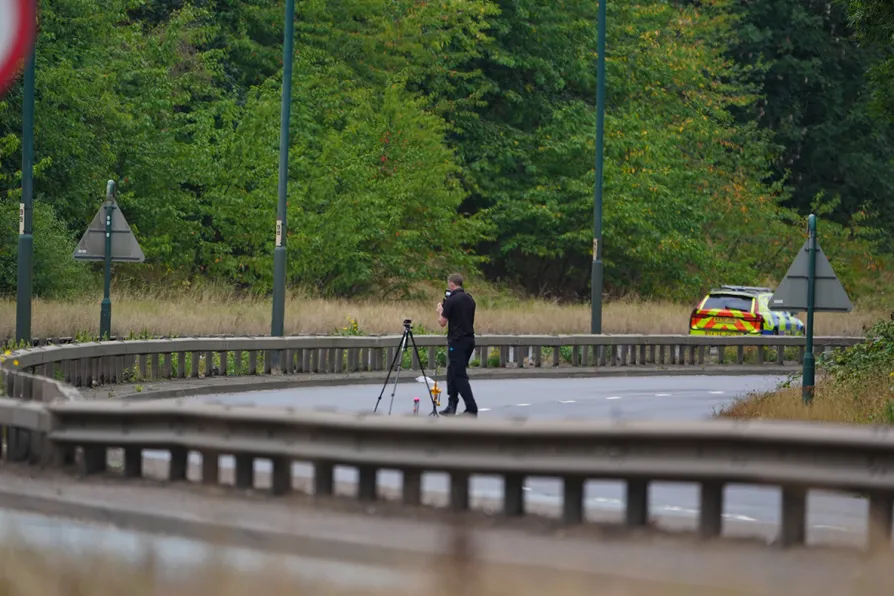
The five young men killed in the A66 crash were responsible for a devastating tragedy — but the crash should force us to ask difficult questions about wider society, argues RENATA MEDEIROS MIRRA