WILL STONE samples the 20th anniversary atmosphere of this eclectic end-of-season indie festival


 Latest editorial
Science fiction and Fantasy with Mat Coward: August 11, 2026
Monster profits on the Tube, paternal dilemmas for time travellers, and an alien abduction buddy saga

Comics are not just superheroes and spandex – it can be public art, telling public stories, suggests HARRIET EARLE
The bard serenades the Diggers of Wigan and their festive followers
ALEXEI SAYLE speaks to Angus Reid about a lifetime of protest, how to hone political art – and what to do now
ANDY HEDGECOCK, JAMES WALSH, LEO BOIX and MARIA DUARTE review Just An Illusion, Everybody Digs Bill Evans, Blue Film, Oasis: Don’t Look Back in Anger, and Runner
MARIA DUARTE recommends a nerve-wracking reconstruction of the 72 hours before the Normandy landings





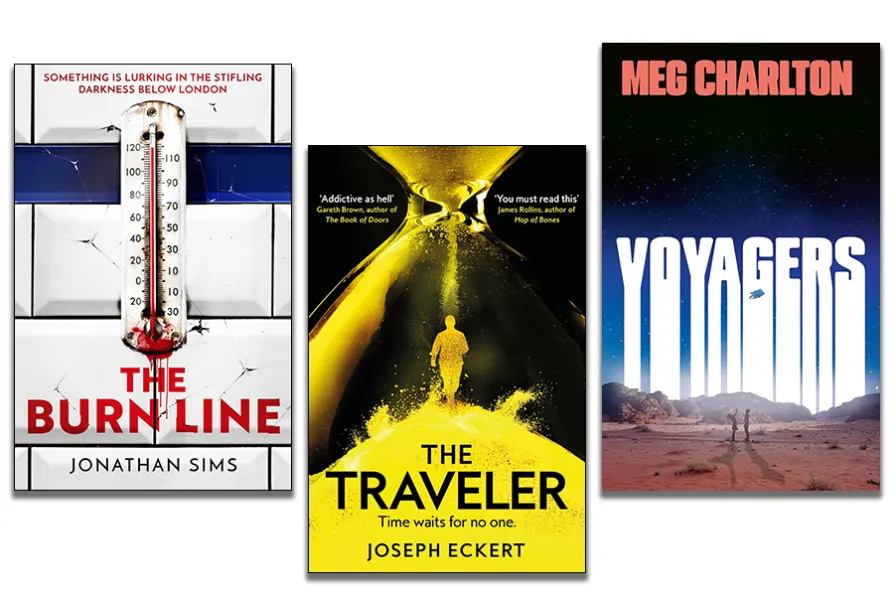
STUCK on a Tube train in a record heatwave, during a pandemic, in a city being tangibly ruined “by the corrupt incompetence of the parasites in power,” doesn’t sound much fun to begin with. The Burn Line by Jonathan Sims (Gollancz, £25) then adds another element to go with economic collapse, social decay and environmental disaster. The five passengers in one particular carriage on that train are vaguely aware afterwards that something awful happened during the delay. Something inhuman. But they can’t remember what.
With leading characters including an RMT activist and a lad who’s sleeping rough, you know from the start whose side this book is on. The first half is a tense mystery, which then turns into a galloping monster-hunt thriller, with as many jolts and shocks as any horror fan could possibly want.
The novel carries, without being burdened by, two important life lessons: that whatever the problem, solidarity is quite likely to be the solution — and that you must never trust the rich, even when they’re dead.
Wisconsin computer programmer Scott, in The Traveler by Joseph Eckert (Tor, £22), is an ordinary man with an ordinary life until the morning he unwillingly jumps forward in time by exactly 24 hours. From then on, each day at 7.52 am, he experiences another jump — with the time lost doubling on every occasion. The maths is simple enough for his scientifically gifted seven-year-old son, Kyle, to work out: within weeks Scott will have left everything and everyone he knows far behind.
All the theoretical physicists can tell him is that his affliction cannot be random: some unimaginable intelligence is pulling him through the centuries, for an equally unimaginable purpose.
Scott arrives each day in a changed world; sometimes utopian, sometimes dystopian. In some he is revered as a prophet, and in others quite the opposite. Through it all only one thing matters to him. Somehow he must maintain a relationship with his beloved son.
The central concept is explored in sufficient depth to delight fans of speculative science, while the core of this debut novel is a poignant story of love, loyalty and loss.
Two six-year-old playmates on holiday in Palm Springs disappear from their beds one night, in Voyagers by Meg Charlton (The Borough Press, £16.99), only to turn up unharmed a couple of days later, giving an account of their missing time that many people interpret as one of alien abduction.
Through a resultingly difficult childhood the pair become best friends, fall out and make up and fall out. They’re in their 30s when the whole world becomes first obsessed and then panicked by an inexplicable signal from outer space.
There’s nothing highly dramatic in Charlton’s beautiful debut, no cliffhangers or big twists — in fact, the greatest number of pages is devoted to Alex and Ana’s struggles to maintain a bond welded under unique circumstances — but I found I could scarcely put it down long enough to eat a sandwich.

Similar stories
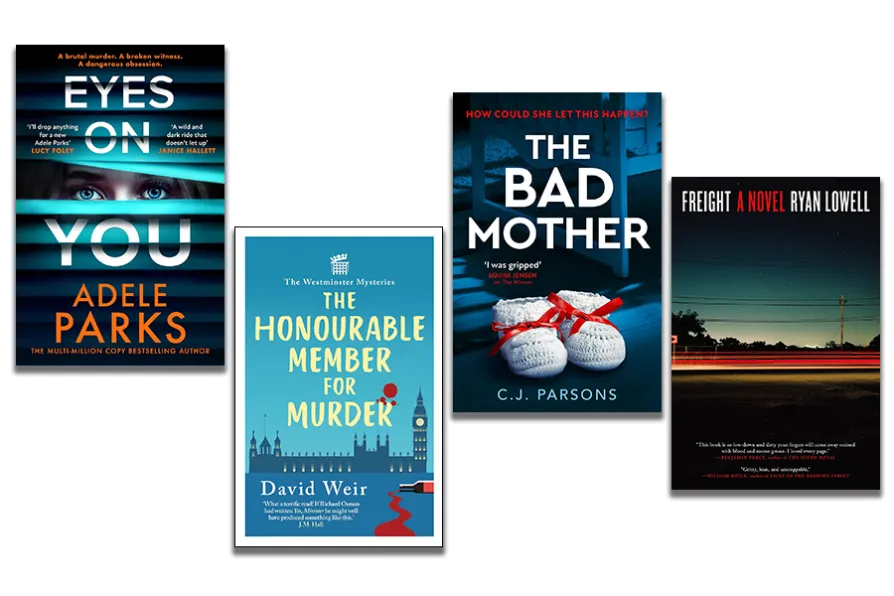
A misfit couple unhappily ever after, a dead man walking, dodgy journos, and trench art trucking
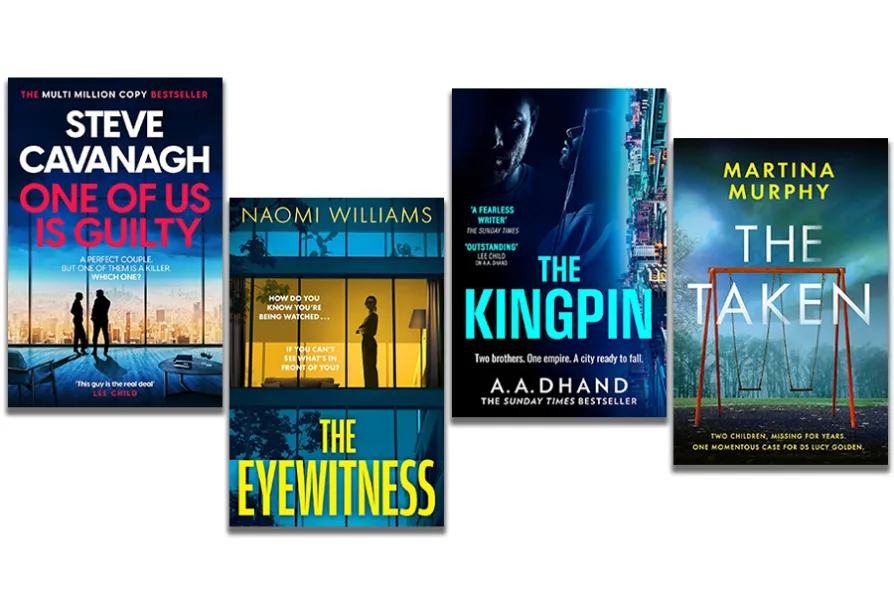
Conman conned in a twisty thriller, blind trust tested to the limit, cunning murder methods, and tip-top police procedural

LEO BOIX reviews two powerful Latin American novels in which myth and crime fiction expose the deadly consequences of patriarchy, clandestine abortion and state violence
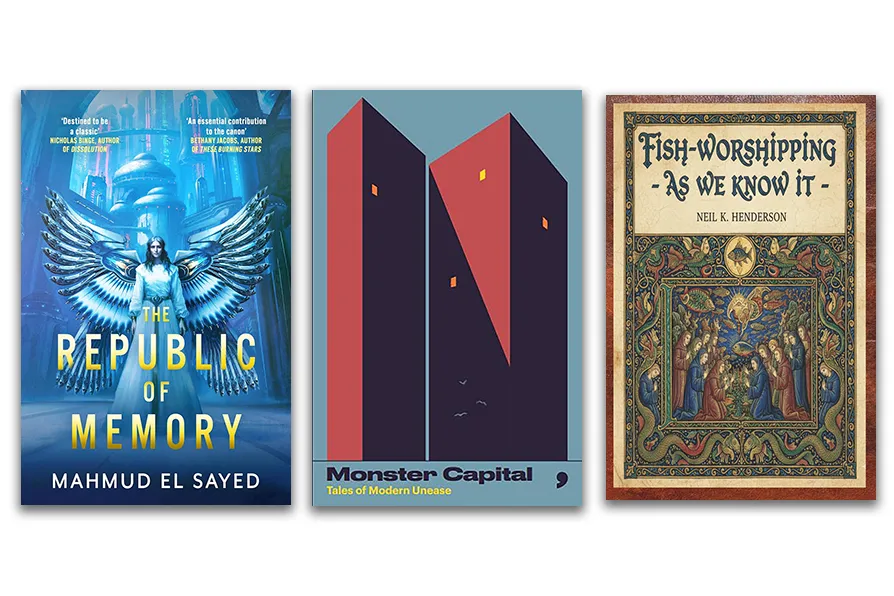
Do frozen colonists carry the virus of empire? Why is monstrosity a great way to describe capital? Was God a dustman?