WILL STONE samples the 20th anniversary atmosphere of this eclectic end-of-season indie festival


 Latest editorial
Raw expressions of public voice
KIM CULLEN enjoys the survey of social work and working-class lives to be found in the superb work of British-Jamaican photographer Sandra George
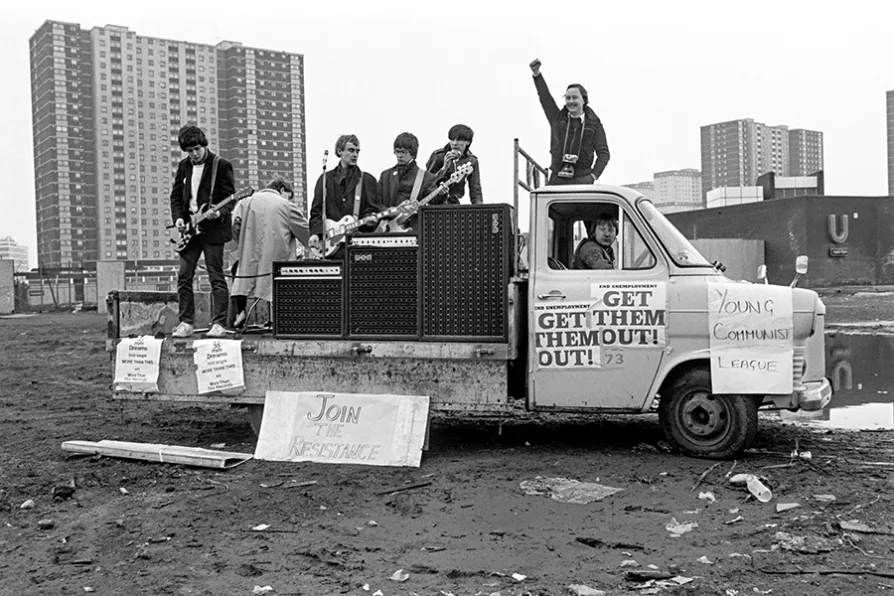 Sandra George, Unemployment Demo — Glasgow, 1981. [Pic: Courtesy Craigmillar Now © Sandra George Estate]

Comics are not just superheroes and spandex – it can be public art, telling public stories, suggests HARRIET EARLE
The bard serenades the Diggers of Wigan and their festive followers
ALEXEI SAYLE speaks to Angus Reid about a lifetime of protest, how to hone political art – and what to do now
ANDY HEDGECOCK, JAMES WALSH, LEO BOIX and MARIA DUARTE review Just An Illusion, Everybody Digs Bill Evans, Blue Film, Oasis: Don’t Look Back in Anger, and Runner
MARIA DUARTE recommends a nerve-wracking reconstruction of the 72 hours before the Normandy landings





Sandra George: Start from the Level
City Art Centre, Edinburgh
⭑⭑⭑⭑⭑
IN the exhibition Start From The Level, currently on display at Edinburgh’s City Art Centre, Sandra George directs our gaze to where we wouldn’t normally look. She lets us into the workings of society: into domestic spaces, outreach cafes, community relations councils, a school for the blind and intimate scenes of hands reading Braille.
George (1957-2013) was born in Nottingham but spent much of her youth in Jamaica before moving to Britain to study photography at Edinburgh Napier University and Community Education at the University of Edinburgh. Start From The Level is the largest exhibition of her work to date, including over 200 photographs.
In one of her notebooks, she writes “Stop making assumptions about people. Start from the level where people are based,” lending the exhibition its name. George succeeds in meeting people where they stand, often photographing them at eye level in their environments. In doing so, she invites viewers into little pockets of belonging.
George examines daily protests we turn our backs on. The framing of words in her photographs is striking, featuring statements from demonstrations such as “Pensions Before Missiles,” “Porn Degrades Women” and “Every Mother is a Working Mother.” In this way she taps into raw expressions of public voice. In one photo, the foreground depicts graffiti reading: “English voters in Scotland exceed the unemployed — we can’t afford them!” and in the background a man in a trench coat walks away, his back to the camera.
The exhibition tells the story of underfunded local communities and subtly encourages us to sustain and regenerate these. One work centres on graffiti saying: “Save the children fund: Niddrie adventure playground.” George, who was also a youth worker, examines local scenes and brings attention to spaces that are often overlooked.
Image
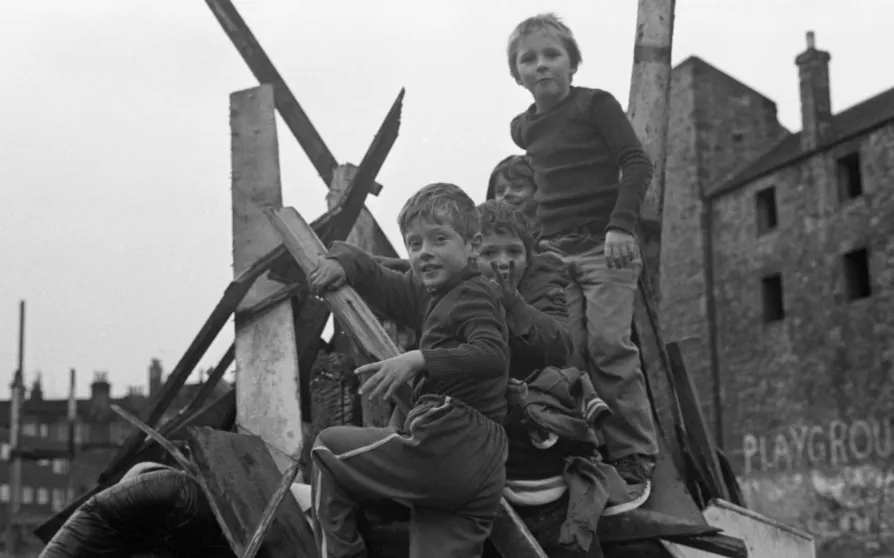
In several of her works, she makes use of mirrors or reflections to place herself within the photograph. She is seen, often at the edge of a photo, not quite pushed out but certainly not central. In doing so, she locates herself within the margins of communities, not just looking in but becoming part of the depicted worlds.
George photographed her son Tyler throughout his youth. The photos begin with his premature birth, and we follow him through moments of free-spirited upbringing. He’s often depicted in domestic spaces, surrounded by paint splatter on the walls of their home, leaned up against a washing machine, or playing with toys that he lets fly through the air in youthful playfulness.
These works go beyond autobiography or family snapshots, thematising the complex, challenging and undervalued work of mothers. Their contribution is practically invisible but nevertheless the bedrock of a healthy society and a hopeful future.
George’s work feels deeply intimate, using close framing of carefully chosen scenes to open up windows into unknown worlds. This is evident in the domestic pieces, but also in other works such as those taken in the Royal Blind School of Edinburgh.
Here, children are closely framed with their teacher, suggesting a personal nurturing relationship through a nest-like space. In one piece, the female teacher looks out of the photo, implying a world beyond the image. The children, on the other hand, are all completely engrossed by what they are working on.
The act of giving care is shown to be a precious social resource, and The Royal Blind School stands as a beacon of promise. George contributes here to the educational debate in Scotland about the value and need for specialist education provision for those with complex needs.
Runs at the City Arts Centre, Edinburgh until September 27. For tickets and information see: cultureedinburgh.com.

Similar stories
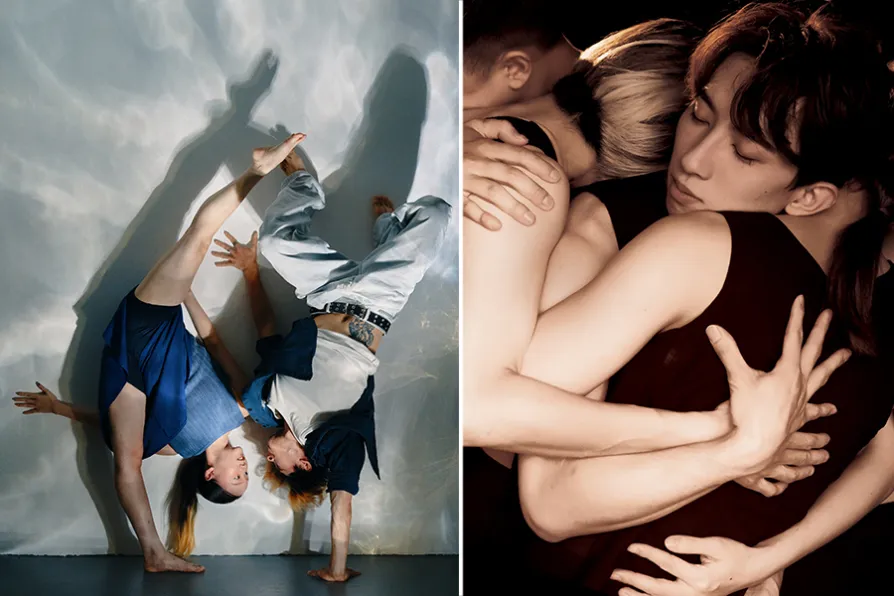
At the Edinburgh Fringe, MATTHEW HAWKINS reviews eight shows in a single day in one venue, all of which reward the spectator
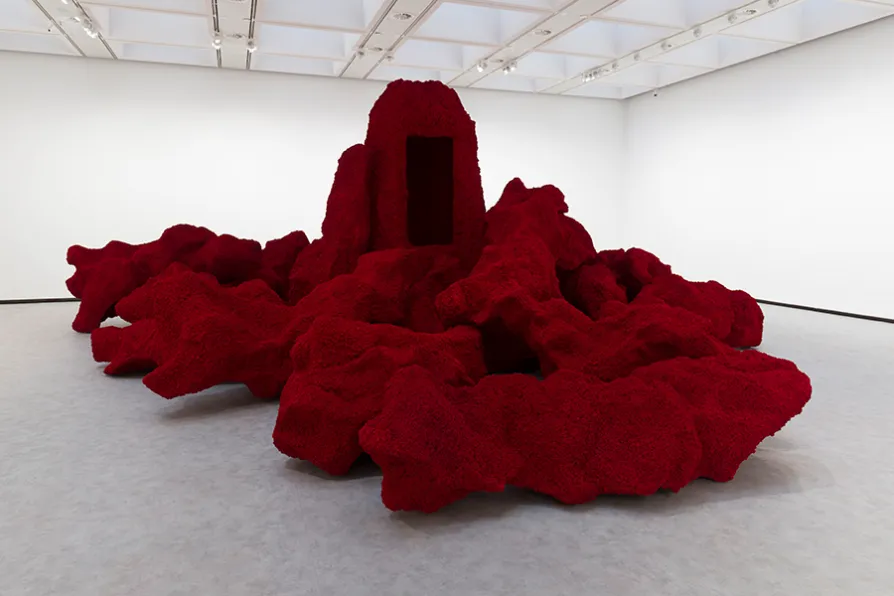
SIMON DUFF is thrilled by a visceral, no-holds-barred exploration of the expressive powers of raw material
CHRIS SEARLE welcomes a startling vision of contemporary Newport from a veteran photographer of the British working class
SIMON PARSONS applauds an artist who rescues and rehumanises stories of women, the victims of violence, from a feminist perspective