TUC president and POA leader STEVE GILLAN speaks to Ben Chacko on the eve of Congress 2026


 Latest editorial
Cutting Scottish fire services during a climate crisis is a recipe for disaster
Extreme hot weather resulting from environmental change needs to be tackled through greater firefighting investment instead of fewer jobs and less resources, writes COLIN BROWN
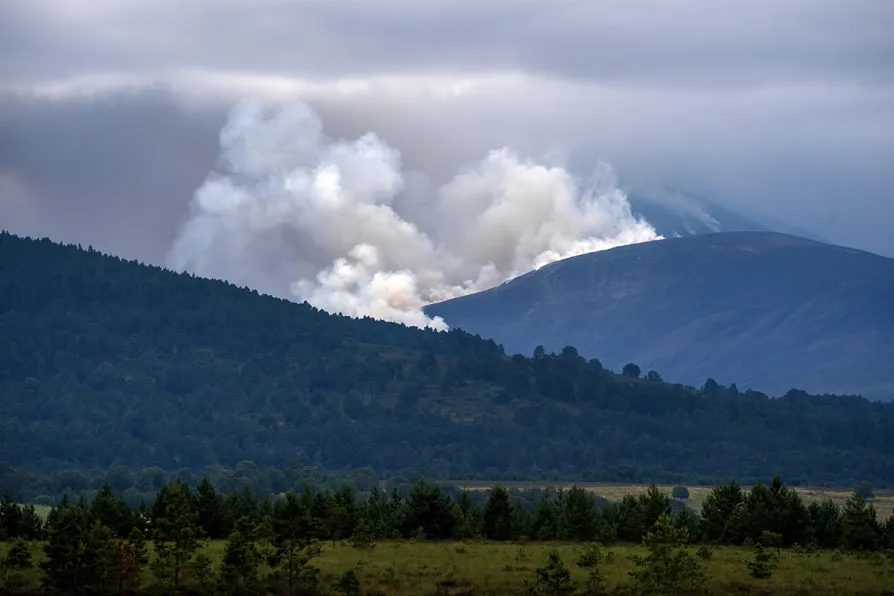 Wildfire burning near Nethy Bridge in the Cairngorms National Park in northeast Scotland. Jane Barlow/PA Wire/PA Images

DOUG NICHOLLS welcomes a turning point at this year’s Congress, where many motions call for a co-ordinated plan to revive British industry, a perspective outlined in his new book
HOPE VIRGO of campaign Dump the Scales warns MPs voting today they should be alert to the threat legalised assisted death poses to people with eating disorders
The Together Alliance is hosting two summits, North and South, to build power and plan action against the scourge of racism peddled by the right. DANIEL KEBEDE urges mass participation
The drift toward militarisation in Europe is not inevitable, left-wing and peace movements can preserve sovereignty and prevent war, says DÁIRE HUGHES MP
Whatever differences exist among international sympathisers of the Bolivarian revolution about its current trajectory, they should unite against the imperialist power that is the source of an enforced retreat, argues ROGER D HARRIS
Trade unions need to step up and force a turn in the policies of the labour movement to effectively confront the far-right threat, argues NICK WRIGHT





IF 2026 has taught us anything, it is that the climate catastrophe is already here and its impact is all too real, creating dangers and threats that the Scottish Fire and Rescue Service (SFRS) is simply not adequately resourced to cope with.
The decrease in domestic dwelling fires, achieved by FBU members’ community safety work, has saved countless lives. Paradoxically this is regularly cited by politicians and some service leaders as justification for job cuts within fire and rescue services.
Since 2012/13, there has been a reduction of 1,239 firefighter jobs in Scotland – almost a sixth of the total uniformed workforce. It is both irresponsible and dangerous to cut fire services and the number of firefighters at a time when Scotland, like the rest of the world, is facing intensified threats from climate change. Every day, the SFRS is forced to take multiple appliances off the roster, due to firefighter numbers being insufficient to crew them safely.
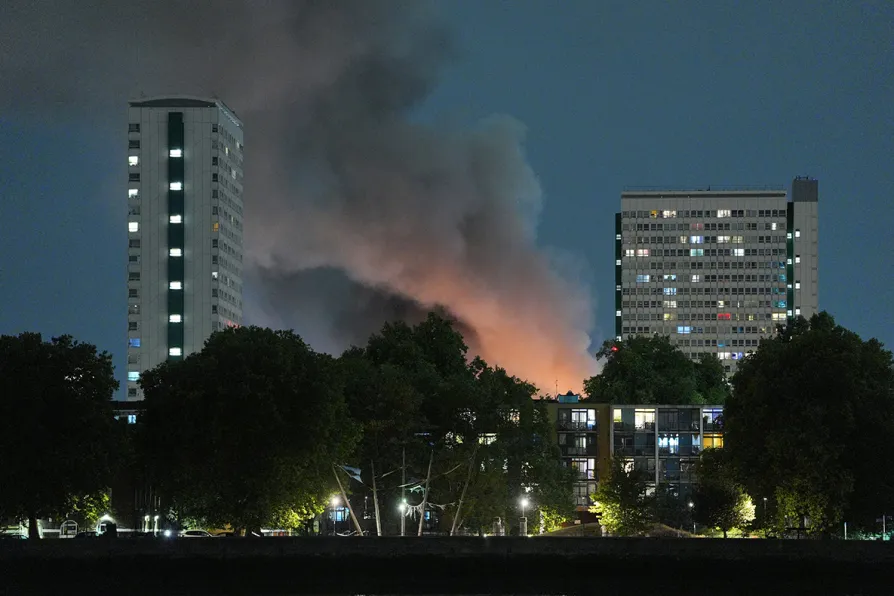
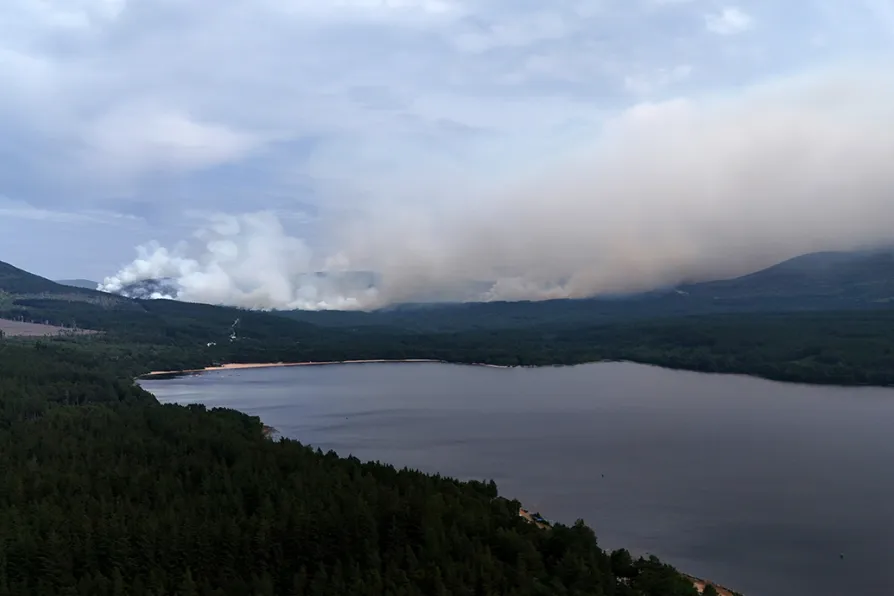
The mega fire that raged across 11,800 hectares of Dava Moor in the Scottish Highlands in June 2025 and the ongoing fire in the Cairngorms that threatened Nethy Bridge must be wake-up calls. Year-on-year cuts to Scottish Fire and Rescue Service are putting more lives, property and our natural environment at risk. The devastating scenes from the West Midlands, where multiple homes have been destroyed, show just how real these threats are to lives and livelihoods.
Wildfires are not new but they are more frequent, intense and dangerous than ever before. Add to this the major urban fires such as those at Glasgow’s Union Street, Edinburgh’s Arthur’s Seat and the Ladybank landfill site in Fife, and we can see clearly that the risk of the Scottish Fire and Rescue Service being stretched to breaking point is all too real.
The most recent service reductions were ratified by the SFRS board in June this year and represent the most significant front-line cuts to the fire and rescue service in Scotland for decades. This hasn’t resolved the daily issues with fire and rescue vehicles and specialist resources being unavailable, or the issues this creates with reduced fire cover.
If Scotland is to have a modern, fit-for-purpose fire and rescue service for the decades to come, it must be built upon a programme of investment, not undermined by cuts which diminish those services.
Scotland urgently needs a frank and open national conversation about how our capacity to deal with the real-life consequences of climate change. We need to be clear about the scale of wildfire and urban-fire threats and what levels of investment and size of workforce is required to overcome them.
The FBU is meeting Scottish Justice Secretary Neil Gray this week. We will be raising the capability, capacity and resilience of the Scottish Fire and Rescue Service to deal with new and existing threats. As someone once said: “Insanity is doing the same thing over and over again and expecting different results.”
I think we know how irrational it is to impose further cuts on Scotland’s fire service and at the same time expect different outcomes amid this growing climate crisis.
Colin Brown is the FBU executive member for Scotland.

Similar stories