 Latest editorial
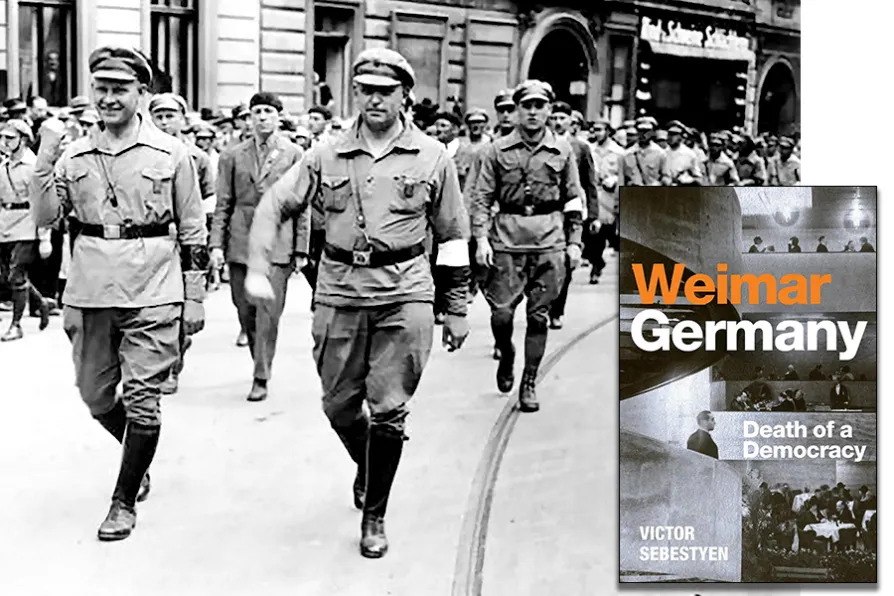
GORDON PARSONS recommends an entertaining account of the years between Germany’s defeat in WWI and Hitler’s seizure of power



View of ‘city of compassion and wisdom’ at street level
Steve Andrew reviews Radical Glasgow: A Skeletal Sketch of Glasgow’s Radical Tradition, by John Couzin (Clydeside Press, £7.99)
MIGUEL YOSHIDA explains the evolution and influence of the Cuban Casa De Las Americas in joining culture to the revolutionary struggle
ANDY HEDGECOCK is charmed by a skilful adaptation of Tove Jansson’s lyrical portrait of three generations of a family, overcoming grief
ALEX HALL treads warily through a messy, dialectical struggle fought in the mundane machinery of driving licences, criminal law, and birth registries
MICHAL BONCZA, FIONA O’CONNOR, JAMES WALSH and ANGUS REID review Atlas of Disappearance, Love Me Tender, Bouchra, and This Tempting Madness
Flitting between myth and the modern world, Medusa is determined to steer clear of human affairs. When her resolve crumbles, the result is petrifying in every sense





Glasgow has a rich and vibrant history of working-class revolt and although this book styles itself as “skeletal,” it’s a more than worthwhile contribution if only for the passion that the author brings to his subject.
Beginning in the late 18th century, Couzin’s story of “the city of compassion and wisdom” runs through to the present day, with major industrial strikes covered in reasonable detail. The UCS work- in of 1971-72 is fairly well known, yet others like the 1787 weavers’ strike are less so and Couzin does a valuable job in rescuing them and community-based struggles such as the great rent strikes from historical obscurity.
And he details the mass opposition to war and conscription that serve as a timely rebuke to revisionist accounts of anti-war movements.

Similar stories
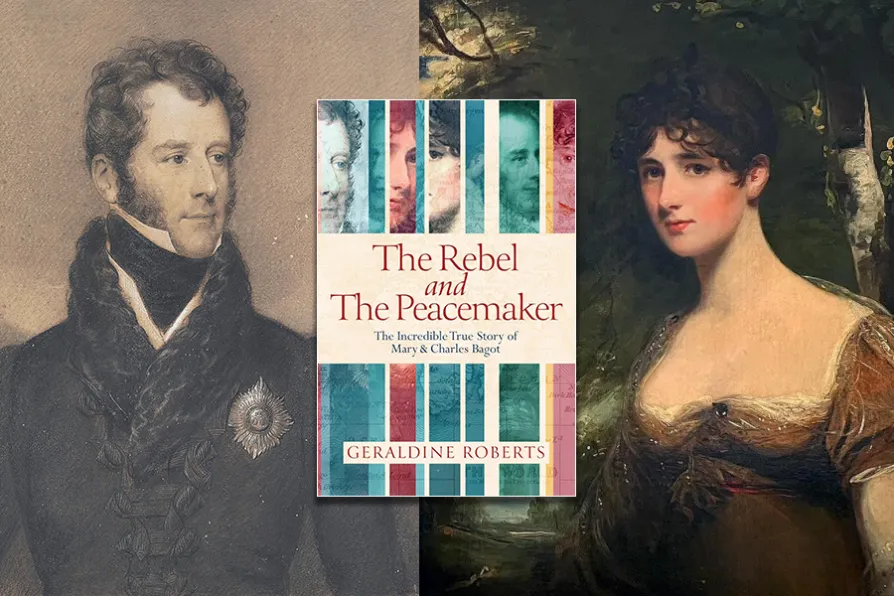
PAUL DONOVAN is fascinated by the lives of Charles and Mary Bagot, and the insight this biography shines on the morals of pre-Victorian society
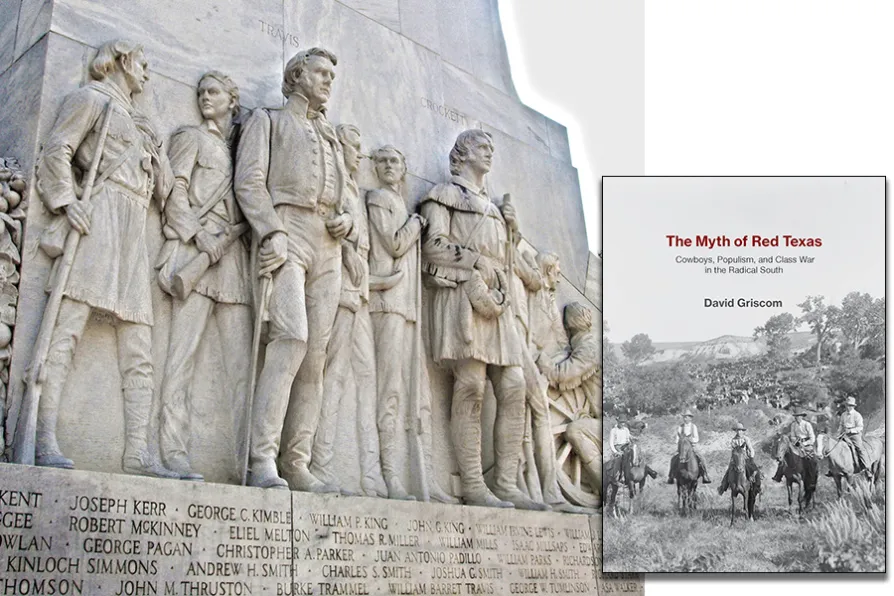
KENNY MacASKILL is disappointed by a polemical, rather than factual, account of the Lone Star State and its political path since the civil war
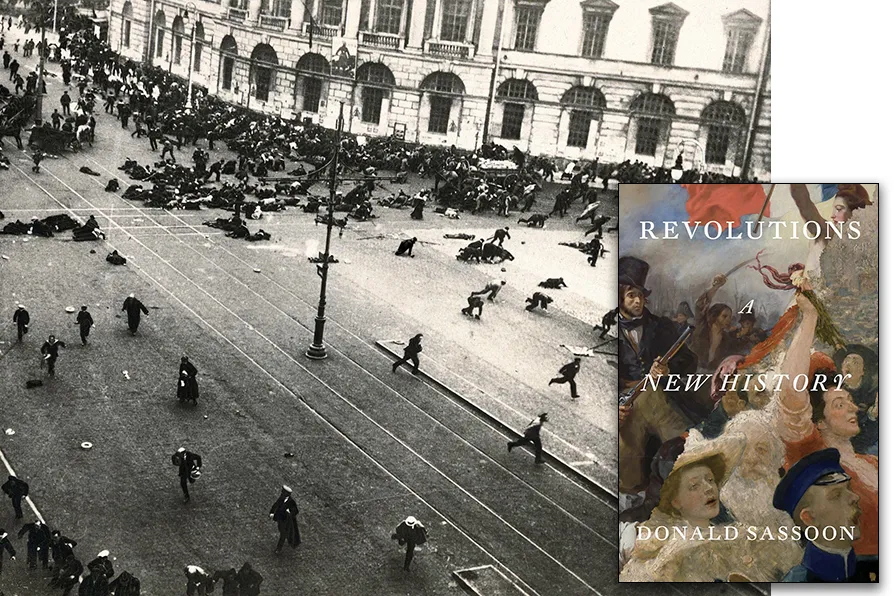
HENRY BELL follows the lineage of revolutions, from the English to the Chinese, and asks where revolutionary politics exists today
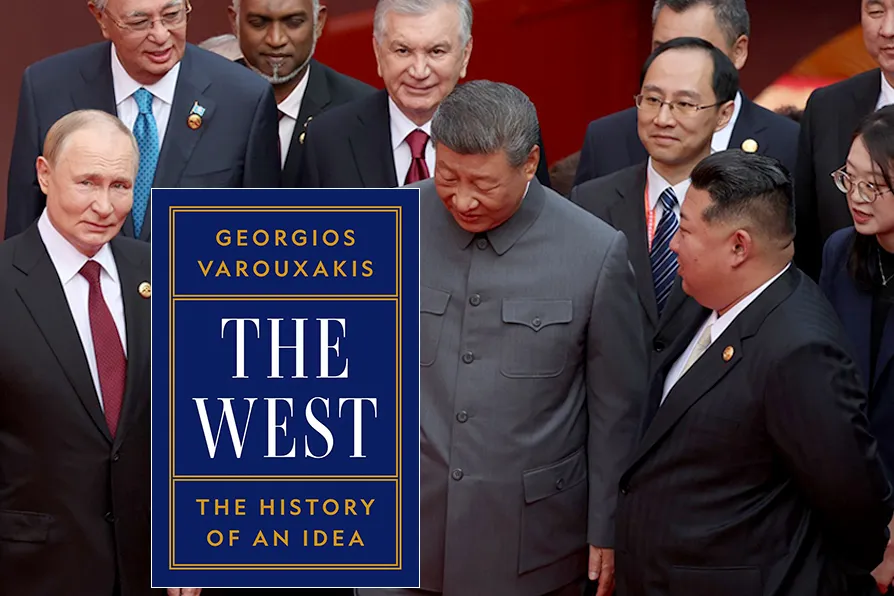
BRENT CUTLER is intrigued by the imperialist, supremacist and contradictory history of a word that is used all too easily