MARIA DUARTE recommends a remarkable study of the friendship between a Palestinian and a Pakistani, broken by a hostile state


 Latest editorial

What it is to be human
A retrospective of artist Marlene Dumas’s work at Tate Modern is a challenging exploration of birth, sexuality and death, says Christine Lindey
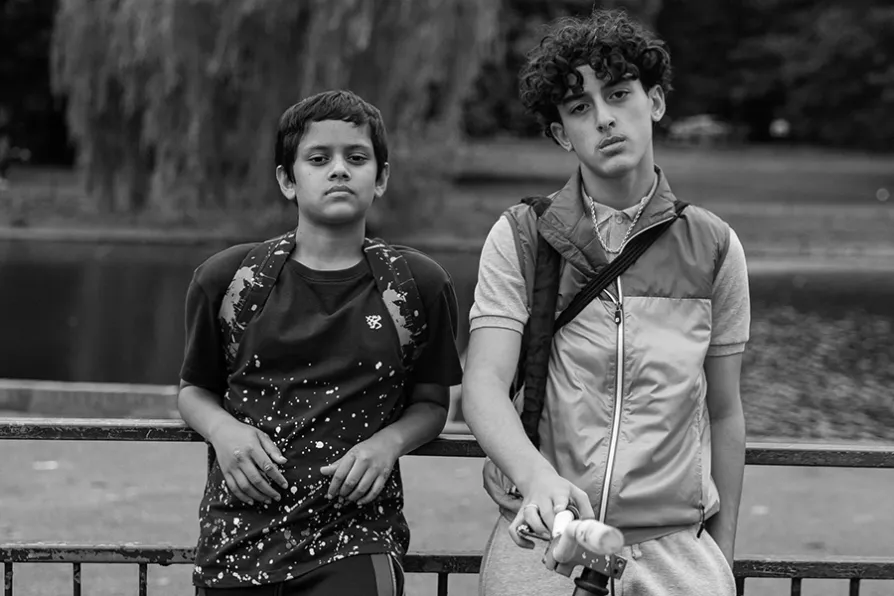
MATTHEW HAWKINS rakes through un-fancy words and flair-free summaries to find who and what might be flamboyant
PETER MASON is exhilarated by an exciting, well-considered and historically minded tribute to the great Trinidadian instrument
Reducing historical lives to ‘male’ and ‘female’ roles, we lose the nuance of those lives and a clearer understanding of past societies, suggests CLAIRE ISABELLA GILMOUR
CHRIS SEARLE relishes the genius of pianist Alexander Hawkins, his many ensembles, and his new album





In 1839 when Louis Daguerre introduced the invention of photography to an astonished assembly of artists and scientists, a leading painter declared: “From today painting is dead.” It survived, although in the 1970s conceptual artists declared painting irrelevant to an age saturated in lens-based imagery.
Marlene Dumas’s retrospective exhibition at Tate Modern proves them all wrong, yet it continues the uninterrupted dialogue between painting and photography initiated by Daguerre.
Dumas was born in 1953 to white Afrikaans-speaking farmers in Kuils-rivier, near Cape Town, five years after the establishment of apartheid. After a straight-laced education in a girls’ boarding school she studied fine art in Cape Town in the early 1970s. Her social and cultural horizons widened but there was little original art to be seen and she was taught the Western aesthetic, then dominated by art theory and conceptual art, from art books and journals.

Similar stories
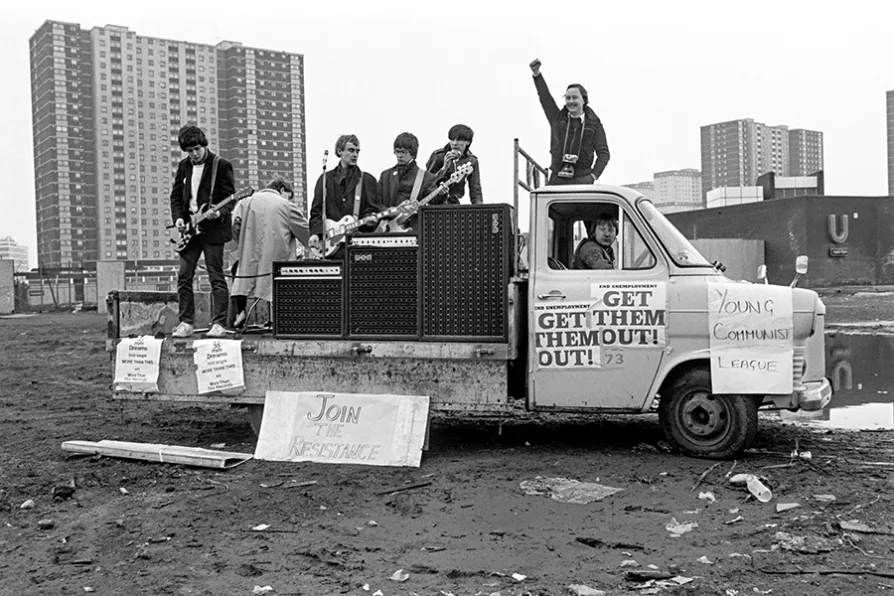
KIM CULLEN enjoys the survey of social work and working-class lives to be found in the superb work of British-Jamaican photographer Sandra George
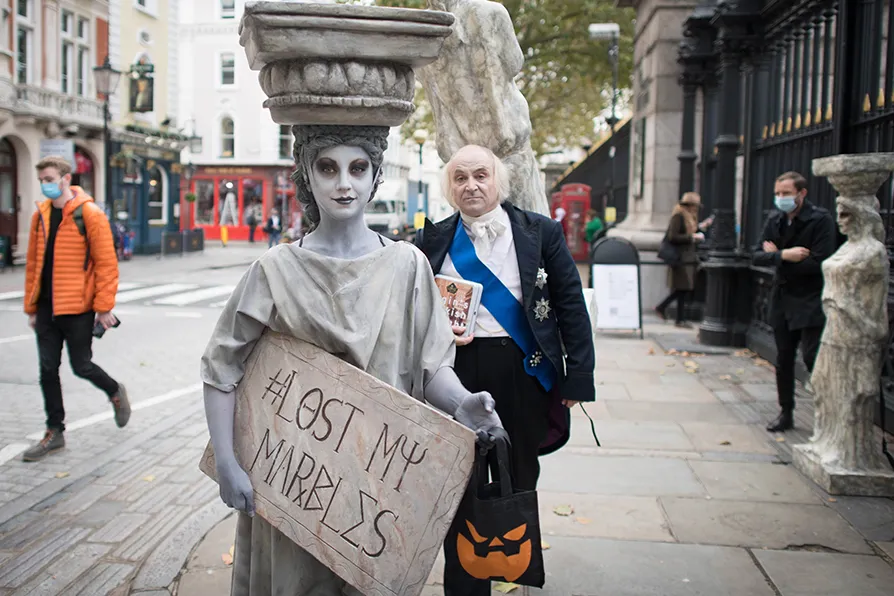
KEVIN DONNELLY suggests that the task of transforming cultural spaces is far from over and that photography still has a key role to play
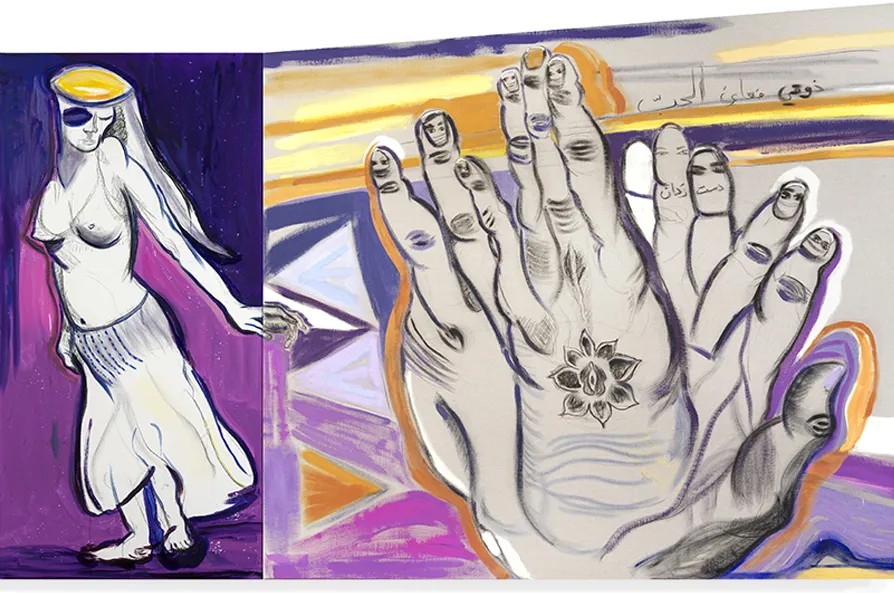
SIMON PARSONS applauds an artist who rescues and rehumanises stories of women, the victims of violence, from a feminist perspective
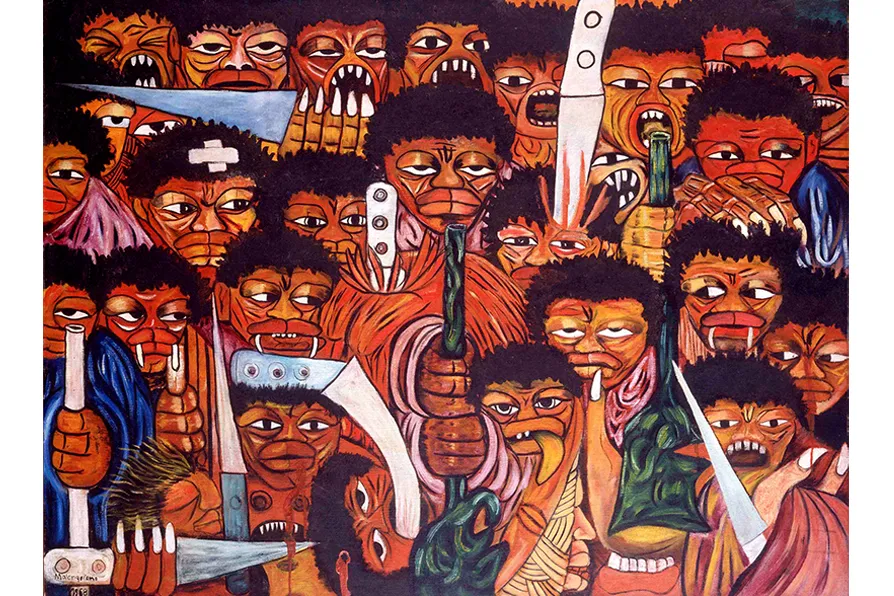
JOHN GREEN welcomes a remarkable study of Mozambique’s most renowned contemporary artist