Labour must deliver its manifesto promises in full and begin the bigger task of restoring workers’ collective power, says MATT WRACK


 Latest editorial
Government needs to bring rail workers on board to make GBR a success
Public ownership of Great British Railways has enormous potential to improve our railway network, but that can’t happen unless jobs, employee rights and union recognition is at the heart of the transition, argues MARYAM ESLAMDOUST
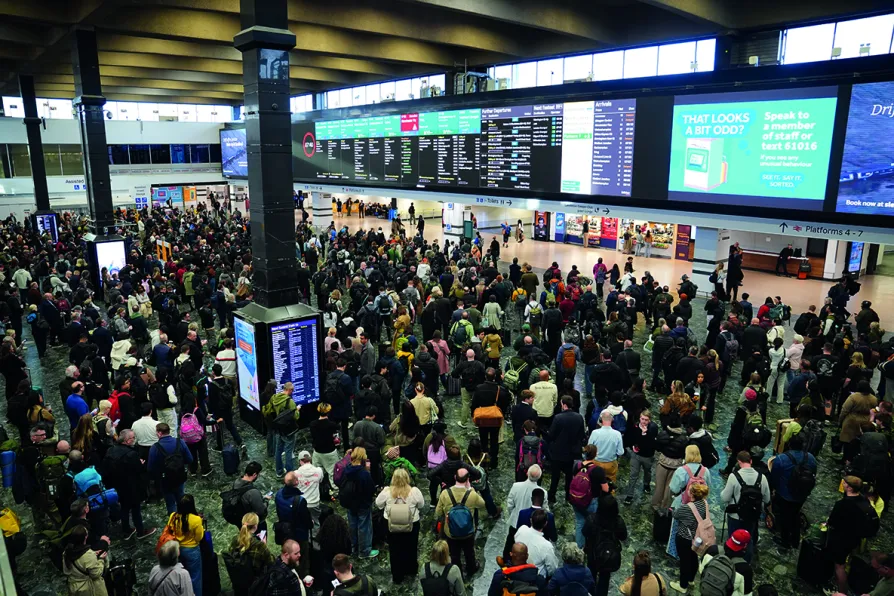 Passengers wait on the concourse at London Euston train station following the cancellation of some train services during the early morning rush hour. Picture: James Manning/PA Wire/PA Images Thursday April 9, 2026
This summer’s fire outbreaks highlighted once again the deadly cost of job, equipment and funding cuts to the fire service. Ten years after the Grenfell tragedy, serious lessons still need to be learned, says STEVE WRIGHT
Live music and musical education are both under attack and threaten to impoverish our culture. The Musicians’ Union seeks allies in the fightback, writes NAOMI POHL
The TUC fell for the illusion of a ‘Social Europe’ in 1988 and backed single-market membership. DOUG NICHOLLS argues that dramatic changes in the EU prove the need for an independent economic policy
As Cuba faces an unprecedented US energy siege and growing threats of military intervention, TUC Congress must stand unequivocally with Cuban workers and their right to determine their own future, writes STEVE GILLAN, POA general secretary and TUC president
By organising for boycotts, divestment and sanctions, trade unionists can turn solidarity into action, writes JESS BARNARD





GREAT British Railways should be the opportunity to end profiteering in the sector and build a railway that works for all, but the Department for Transport’s (DfT) approach to rail risks jeopardising support from the people at its core – the workers who keep Britain moving.
Some of the problems started at last year’s Spending Review. While, for example, defence spending soared, the government announced that day-to-day spend at DfT would be cut by 5 per cent across the parliamentary term and investment in infrastructure would be reduced by 1 per cent. At the same time, the Network Rail budget for the funding period – Control Period 7 – was cut, meaning a reduced programme of renewals. This has been exacerbated by further programme reductions due to inflationary pressures on the CP7 budget.
With the Network Rail cuts came so-called “efficiency” savings that have put 870 jobs on the line. In addition to the job cuts, around 2,000 jobs are being removed from the organisation through, for example, not filling vacancies.
Budget cuts and programme reductions created ripple effects in the infrastructure companies, where there are job losses at VolkerRail and Balfour Beatty CRSA, too.
They also have implications for rail safety. Just last month, we saw two train derailments within 24 hours of each other at Lewes and Wickford. The Rail Accident Investigation Branch (RAIB) is carrying out its inquiries, and we should not seek to prejudge its results. Whatever the specifics of these cases, however, it’s clear that the railways face wider challenges to safety caused by cuts and the climate crisis.
In the case of the Lewes derailment, it should be a warning to everyone that unusually high temperatures are even a matter for the RAIB to investigate. In 2020, unusually heavy rainfall was a significant factor in the Carmont rail derailment. The new extremes of heat and rain as our summers get hotter and winters wetter are putting ever more strain on transport infrastructure with serious implications for rail safety.
Job cuts and slashing renewals programmes are no way to build the climate resilience needed for the future of the rail network. It’s no wonder that while DfT’s policy for climate adaptation received a “good” from the climate change committee, implementation is scored as “limited.” Plans are one thing; delivery costs money.
Similarly, none of this has helped to build a firm foundation for GBR. In fact, the transition to the new publicly owned company has itself meant job cuts at Southeastern, where Network Rail and the train company have merged functions.
TSSA has supported public ownership of the railways since privatisation in the 1990s. Bringing track and train together under the “guiding mind” of GBR is a clear step forward, taking us closer to public ownership of the railways run in the interests of the people who travel and work on the network.
But we cannot support a transition that puts our members jobs on the line, or that attacks their pay, conditions, travel facilities or pensions. That’s why we have brought Motion 56 – “A GBR that works for all” to TUC Congress.
Public ownership of the train-operating companies is the opportunity to right the wrongs of privatisation, which saw fragmented industrial relations and the erosion of pay and conditions. For the Government of the Employment Rights Act, this is the chance to harmonise the pay, terms and conditions of everyone in the new company upward and ensure that every member of staff — including management grades — is covered by a collective bargaining agreement, with GBR as a single employer to them all.
Instead, DfT has seemed indifferent to future collective-bargaining arrangements and there has been little certainty over what the new structures will look like or the future of, for example, pensions, in the movement to public ownership. That nearly 1,000 job losses have been proposed at Network Rail in the here-and-now is also eroding confidence in the transition to GBR before it has even begun.
We have seen promising signs from the new Burnham government both on the cost of living and approach to trade unions. This must translate into a rethink of the approach to GBR. As the Railways Bill reaches its final days in the House of Lords, there is a danger that Number 10 sees the matter as closed — and, importantly, that it considers it has delivered for railway workers when that is not their experience, on the ground.
To ensure it doesn’t, TSSA will continue to fight against cuts and job losses, for rail investment, and a just transition for our members. The public and political discussion of GBR has focussed on issues such as governance and access. Yes, these are important issues, but it’s now past time we put the people at the heart of the railway at the centre of the debate about its future.
Maryam Eslamdoust is the general secretary of TSSA (Transport Salaried Staffs’Association)

Similar stories
Privatisation and the break-up of our integrated rail system have been disasters. The Labour government’s pledges on reindustrialisation and renationalisation offer the solution, argues DAVE CALFE of Aslef
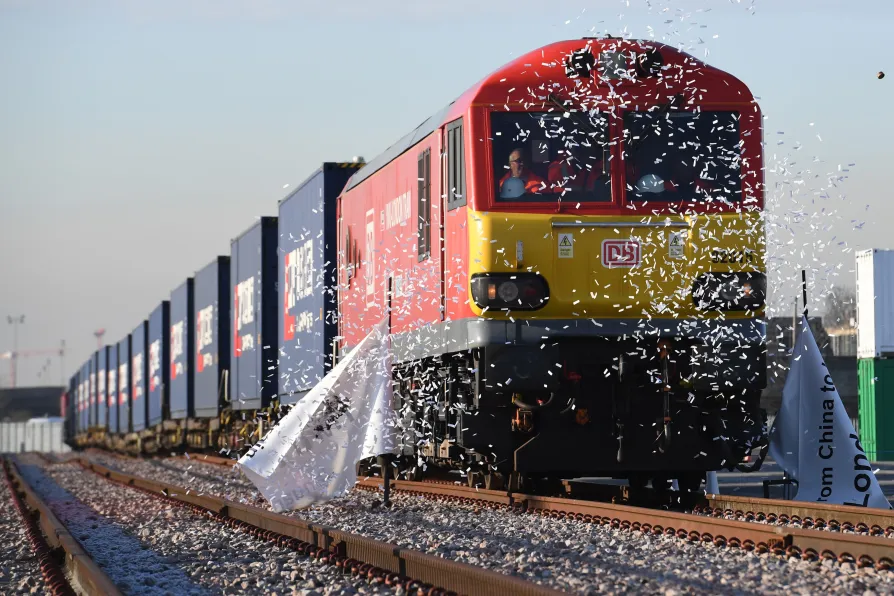
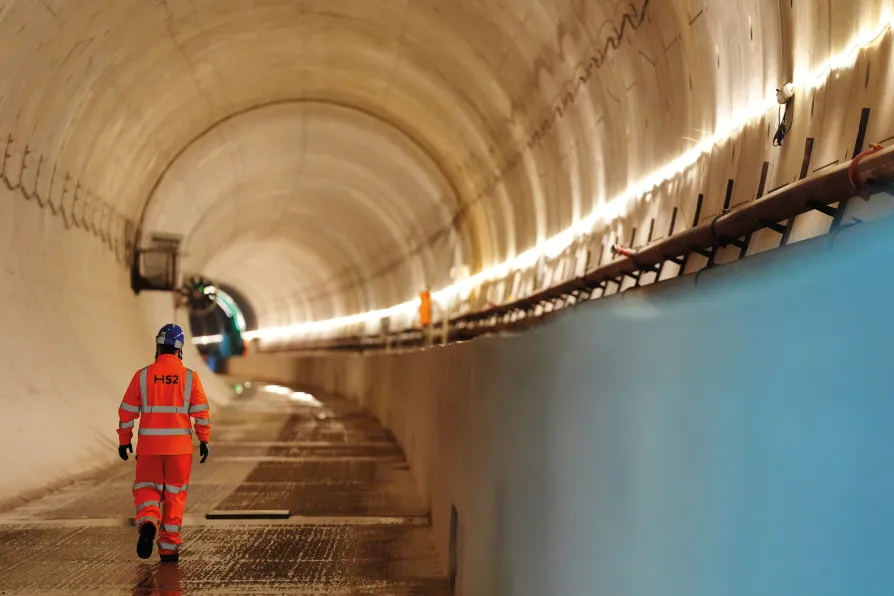
The HS2 debacle exposes what happens when public infrastructure is handed to private contractors – especially when set against China’s state-led high-speed rail success, says CARLOS MARTINEZ