Labour must deliver its manifesto promises in full and begin the bigger task of restoring workers’ collective power, says MATT WRACK


 Latest editorial
Protecting personality and image rights is a collective responsibility
Challenges from the unscrupulous misuse of AI to steal actors’ voice and physical likenesses is being met with a firm union response, writes LYNDA ROOKE
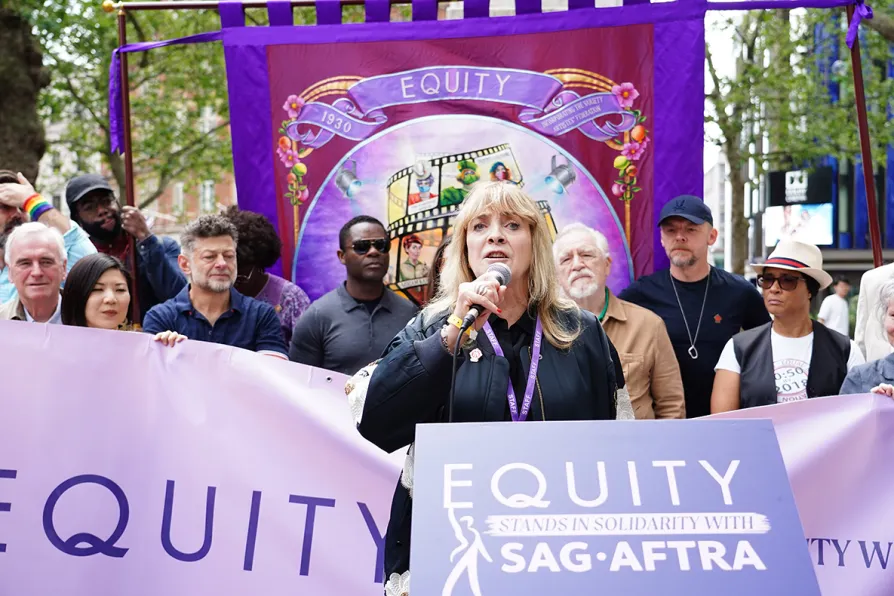 Lynda Rooke speaks during a protest by Equity members in solidarity with striking Hollywood members of the Screen Actors Guild - American Federation of Television and Radio Artists. Ian West/PA Archive/PA Images Picture date: Friday July 21, 2023.
This summer’s fire outbreaks highlighted once again the deadly cost of job, equipment and funding cuts to the fire service. Ten years after the Grenfell tragedy, serious lessons still need to be learned, says STEVE WRIGHT
Live music and musical education are both under attack and threaten to impoverish our culture. The Musicians’ Union seeks allies in the fightback, writes NAOMI POHL
The TUC fell for the illusion of a ‘Social Europe’ in 1988 and backed single-market membership. DOUG NICHOLLS argues that dramatic changes in the EU prove the need for an independent economic policy
As Cuba faces an unprecedented US energy siege and growing threats of military intervention, TUC Congress must stand unequivocally with Cuban workers and their right to determine their own future, writes STEVE GILLAN, POA general secretary and TUC president
By organising for boycotts, divestment and sanctions, trade unionists can turn solidarity into action, writes JESS BARNARD





IT WAS Oscar Wilde who said that: “Life imitates art far more than art imitates life.” With generative AI rampant across all walks of life and art, the fight for our industries is real — arguably no more so than Equity members’ industries of performance and entertainment. While we are making inroads in industrial protections, we need the government to introduce personality rights to underpin and enforce the rights we should have over our likeness.
We experience scraping and stealing, deepfakes and impersonation. The tools of our craft — our bodies, our voices, our movement and performances — are facing industrial-scale theft at an alarming rate.
Countless audio artists find their voices used without their knowledge or consent, while actors’ images and performances are digitally replicated and used in content they would never have agreed to. More widely, any individual, particularly women, may be subject to a degrading or misleading “deepfake” of their likeness disseminated online.
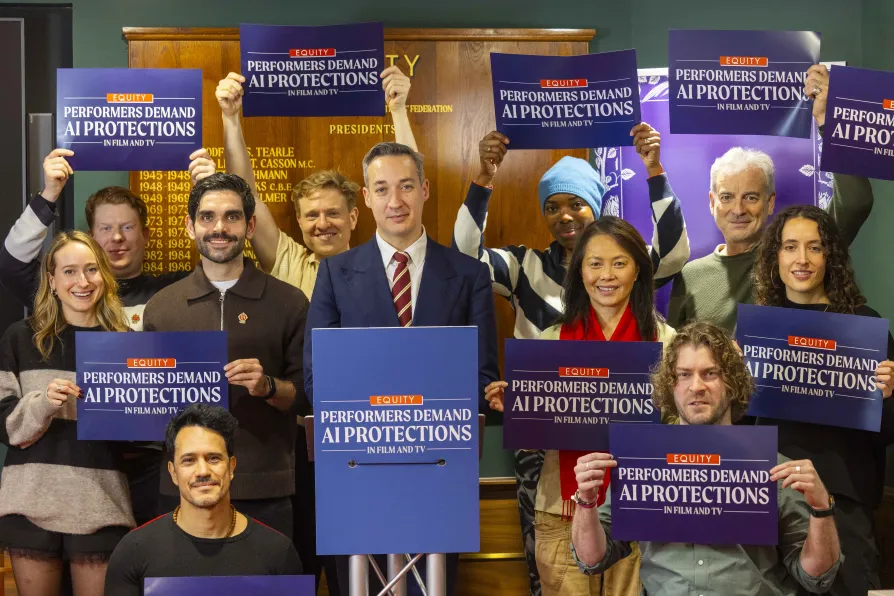
That’s why Equity is demanding AI protections for performers involved in UK TV and film work, to give performers transparency over what their data is being used for, consent over any digital replicas, and remuneration for use of their image, voice or likeness.
In June, we secured one of the first collective agreements of its kind in the UK to establish specific protections governing the use of artificial intelligence in television production when AI protections were written into the TAC-Equity agreement for the independent TV production sector in Wales. We’re close to securing these groundbreaking AI protections for all performers engaged in UK film and TV, after 99 per cent of Equity members indicated they would be prepared to take strike action over AI.
Our collective agreements can address the digital capture of performances in TV and film studios going forwards, but our images, voices and performances are already out there for anyone to steal. We need a clear legal framework to underpin our collective agreements. Currently, all we have is a patchwork of IP (Intellectual Property) and General Data Protection Regulation (GDPR) that is shaky, uncertain and ill-suited to the situation we face.
This is why Equity is calling for the government to introduce new personality rights in relation to AI-generated digital replicas. Such rights would mean each person would have rights over their likeness, spanning their unique physical appearance, voice, mannerisms and movement. These rights would protect all of us — not only performers, but anyone who has their image or likeness scraped and recreated without their consent.
This isn’t radical. It already exists in many countries, and it is a necessary move to catch up with a technology which is rapidly and radically reshaping our industry. It would provide a robust and targeted legal framework to protect individuals from abuse while offering an economic right that performers and other workers could license.
Let me be clear, this isn’t about preventing the legitimate journalistic use of photographs or news footage, quite the opposite. Our objection is in the falsification of images, the creation of deepfakes, the cloning of content for commercial or nefarious purposes without consent or pay. Such activity undermines trust, and in our industries it undermines performers’ income and personal autonomy, posing a threat to the sustainability of careers in performance.
So while Oscar Wilde saw imitation between life and art, we want imitation, whether human or AI, to be consent-based, transparent and paying the workers whose toil created it. We’re asking Congress delegates to pass Equity’s motion on AI on Tuesday afternoon, and to stand with all performers in seeking personality rights for all.
Lynda Rooke is president of Equity.

Similar stories
DAVE WARD of the Communication Workers Union says unions must step up to meet the challenges of a transformed world of work
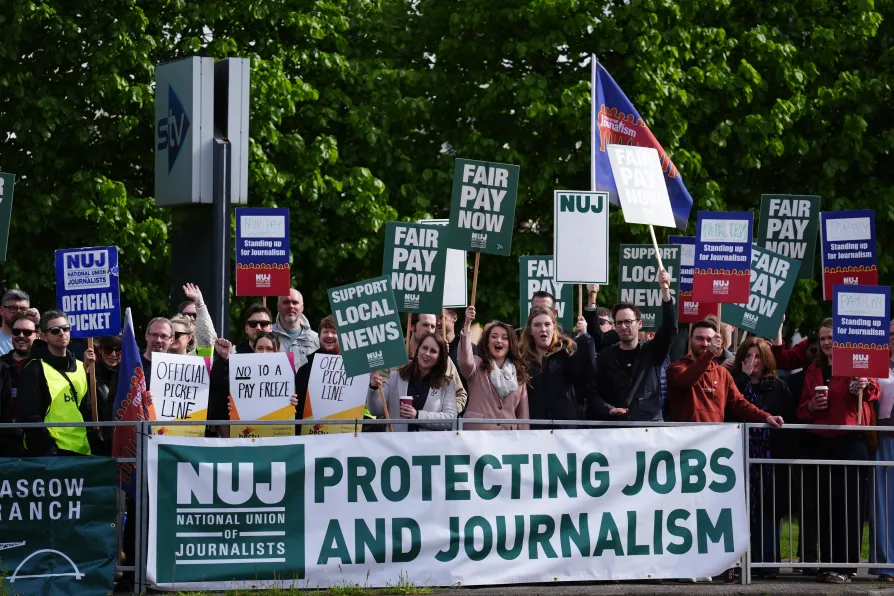
The NUJ is calling on the trade union movement to challenge the power of tech giants and resist cuts to public service broadcasting, with the future of quality, accessible journalism at stake, says LAURA DAVISON
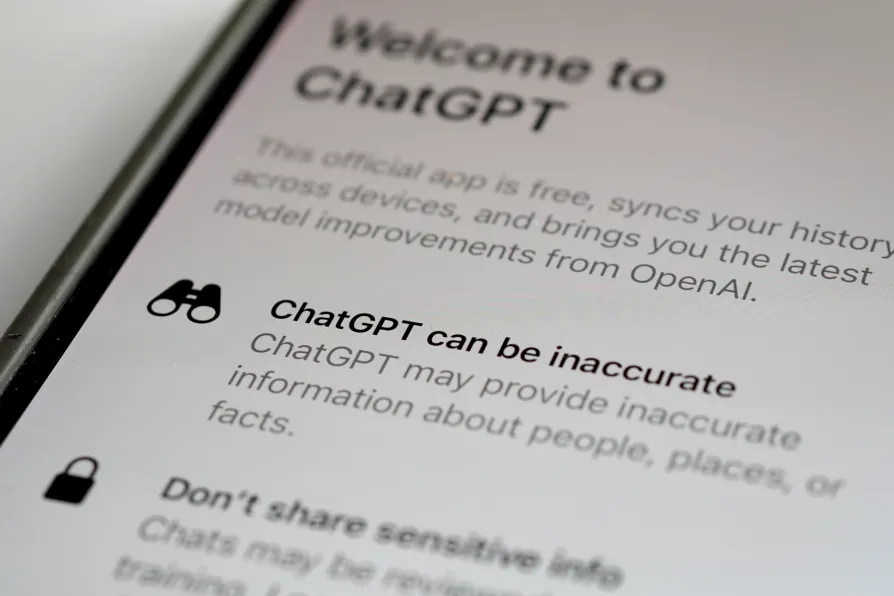
Trade unions need to protect creative rights as well as jobs against the negative impacts of AI, argues ZITA HOLBOURNE