
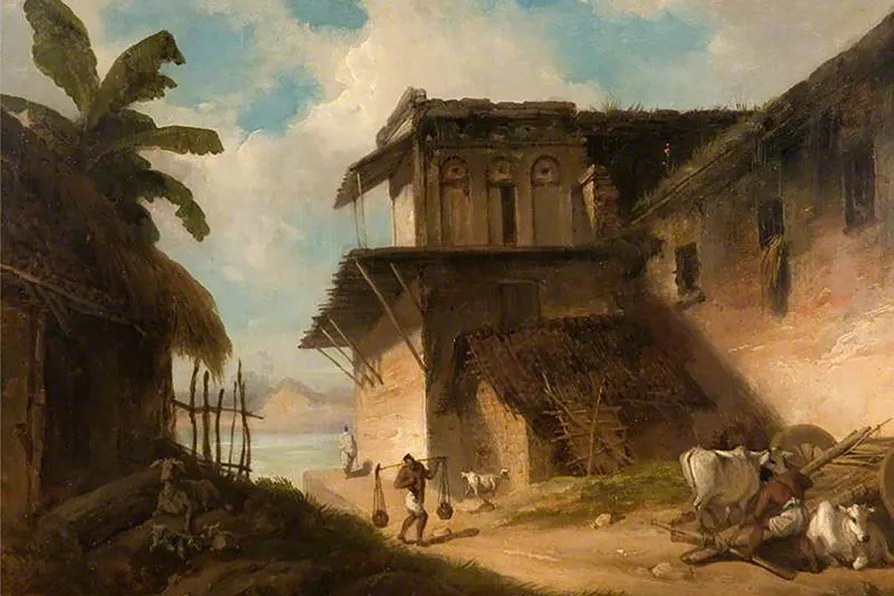
APURBA CHATTERJEE explains how British artists in India used the “picturesque” to reshape colonial landscapes and celebrate imperial power


The enduring legacy of the Bund
ALEX HALL welcomes a history of the Bund, and its emphatic demand for working-class solidarity across racial and ethnic difference
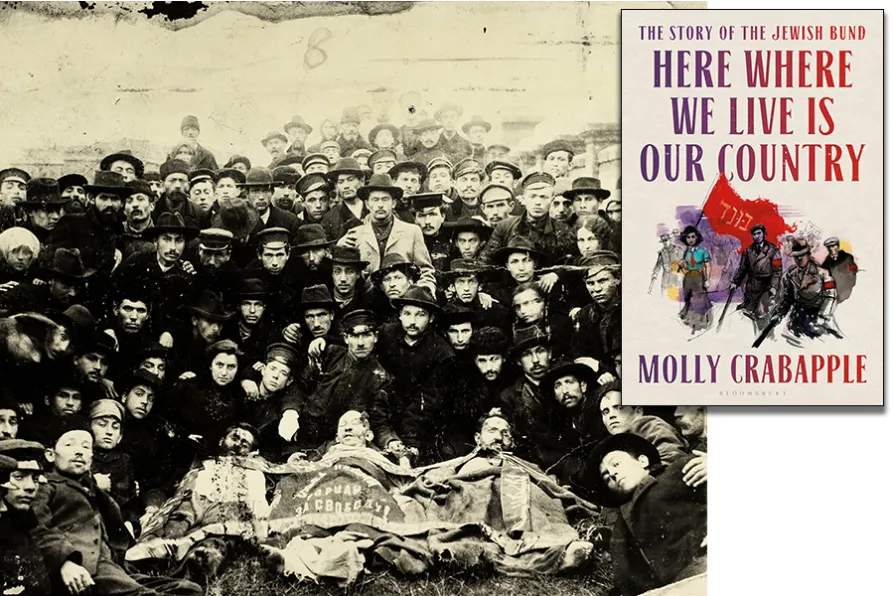
 RESOLUTE: Members of the Bund with the bodies of their comrades, murdered during the Odessa pogrom in 1905 [Pic: Public Domain]
PAUL DONOVAN welcomes a revival of Reginald Rose’s classic play that reminds us of the fundamental need for trials with juries
SIMON PARSONS applauds an exceptional performance of Wesker’s little-known play, by the same actor for whom it was written 45 years ago
ANDY HEDGECOCK and MARIA DUARTE review Late Fame, The Death of Robin Hood, Leviticus, and Gail Daughtry and the Celebrity Sex Pass
ANGUS REID recommends a uniquely accomplished documentary collage that contemplates our relation to the natural world
GORDON PARSONS enjoys Kant’s ‘mind-boggling’ theory of human reality: that we create the reality we experience





Here Where We Live is Our Country: The Story of the Jewish Bund
Molly Crabapple, Bloomsbury, £25
THE relationship between Judaism, zionism and Israel has rarely been so fiercely contested as it is today. At one moment, it is antisemitic to assume zionism is the ideology of Jews; at the next, an Israeli spokesman declares anti-zionism itself to be antisemitism. The proximate cause is, of course, Israel’s ongoing genocide, a brutality that makes the disentangling of state, ideology and religion a daunting but critically important task.
Molly Crabapple’s Here Where We Live Is Our Country offers both an enlightening history of the Jewish Labour Bund, and a hopeful account of an alternative Jewish tradition of resistance to antisemitism, fascism and nationalism. Until now, this tradition has been overshadowed by the ascendancy of zionism.
Crabapple’s grandfather, the artist Sam Rothbort, was a Bundist leather worker from Volkovysk, Poland, who later settled in New York. His paintings of Bundists piqued the curiosity of Crabapple and following these family threads she learned Yiddish and plunged into the archives, pamphlets, newspapers and correspondence of the 20th century to recover a largely forgotten past.
Founded in Vilna in 1897, the Bund was part clandestine political party, part self‑help network. It ran soup kitchens, summer camps, schools and cultural activities. It fought the tsar and organised self‑defence against pogroms. Resolutely secular, Jewish and socialist, by 1905 it was the largest Marxist party in the Russian empire. But it could never reconcile with the Russian Social Democratic Labour Party, and its principled resignations often left the later Bolsheviks with a free hand. Under Lenin and Stalin, the Bund’s relationship with the Soviet Union swung from relief to terror and eventual dissolution.
Crucially, the Bund fought for Jewish rights where Jews actually lived — hence the book’s repeated refrain: “Here where we live is our home.” Its goal was not to leave Egypt, but to make Egypt free. It championed mutual solidarity and staunchly opposed zionism, correctly predicting that a Jewish state in Palestine would bring tragedy.
For Bundists, antisemitism could not be defeated, nor minority rights won, without a broader consciousness of cross‑ethnic solidarity. The attempt at ethnic homogenisation within any borders only creates new minorities and new injustices.
Being a Jew in Europe was an existential problem. Pogroms had raged for centuries; Jews were blamed for everything from capitalism to Bolshevism, and neighbours could turn on them murderously in a moment and often without consequence.
When the Nazis invaded Poland and began the Final Solution many Poles saw it as a difference only of scale: a vast pogrom. Even after the Holocaust, the enormity of the crime provoked little self‑reflection. Jews returning from the death camps were often greeted with exasperated sighs: “Still alive? I thought they’d finished you off.”
Ultimately, the Holocaust strengthened the zionists’ hand: Europe did not want its Jews, and zionist Jews no longer wanted Europe. The Bund lost. But it did not fail. Its approach remains urgently pertinent.
Crabapple began this book before 2023, but the horrors in Gaza and the charged political climate permeate many of its pages. She notes that the left today is weaker than in the Bund’s heyday. There are signs of it reorganising under immense pressure. Hope persists.
She writes: “I am sick of monsters — whether they belong to my group or any other… I know that we all have the capacity to be victims and tormentors, as well as bystanders, staring blankly at a burning wall… I want off the samsara wheel of atrocity, and the Bund’s demand of solidarity across difference is the only way to get there. Such solidarity is fragile and frequently betrayed, but it is all we have. It is the only thing that can save us.”
Freedom with your neighbours. Not from them.

Similar stories
![HOW FASCISM BEGAN: Prisoners guarded by SA men line up in the yard of Oranienburg concentration camp, 6 April 1933 [Pic: Public Domain]](https://msd11.gn.apc.org/sites/default/files/styles/desktop/public/2026-09/weimar%20web1.jpg.webp?itok=vW7SFOwt)
MARJ MAYO recommends an engaging, if chilling, collection of diaries and letters that trace a population's capacity for accommodation with Nazism
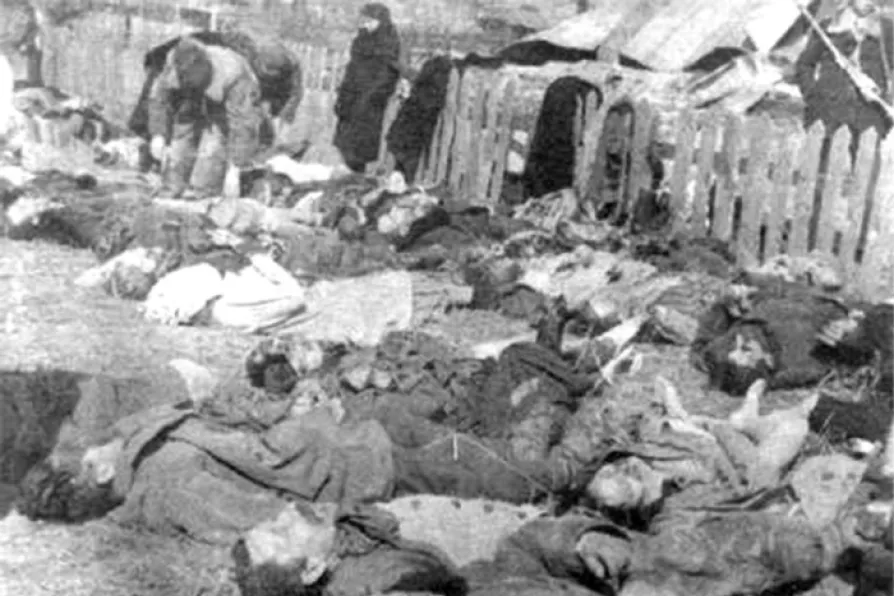
Poland’s anger over Ukraine’s celebration of the Nazi collaborationist UPA reflects more than historical grievance, says KENNY COYLE
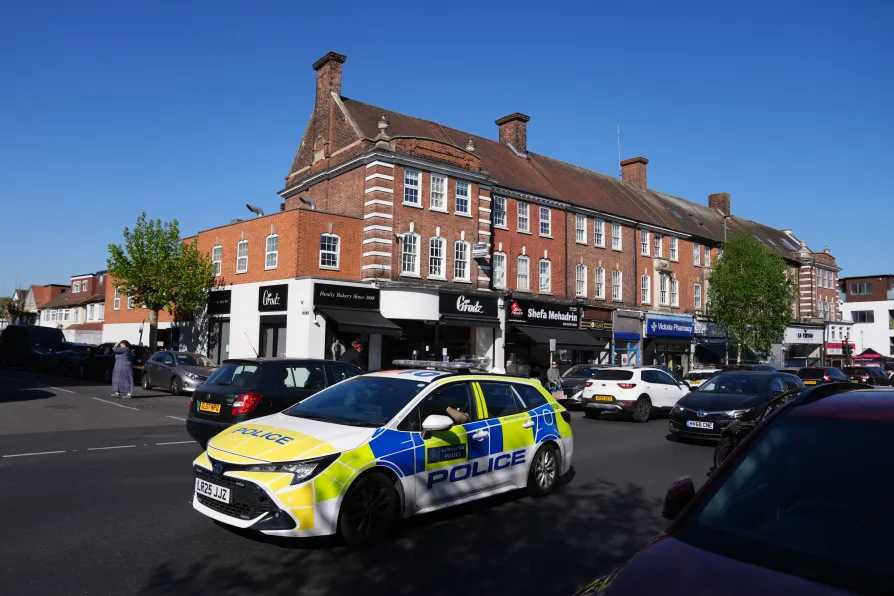
As antisemitism grows, the labour movement must recommit to defence of minorities while navigating the complexities of Gaza and global politics, argues NICK WRIGHT
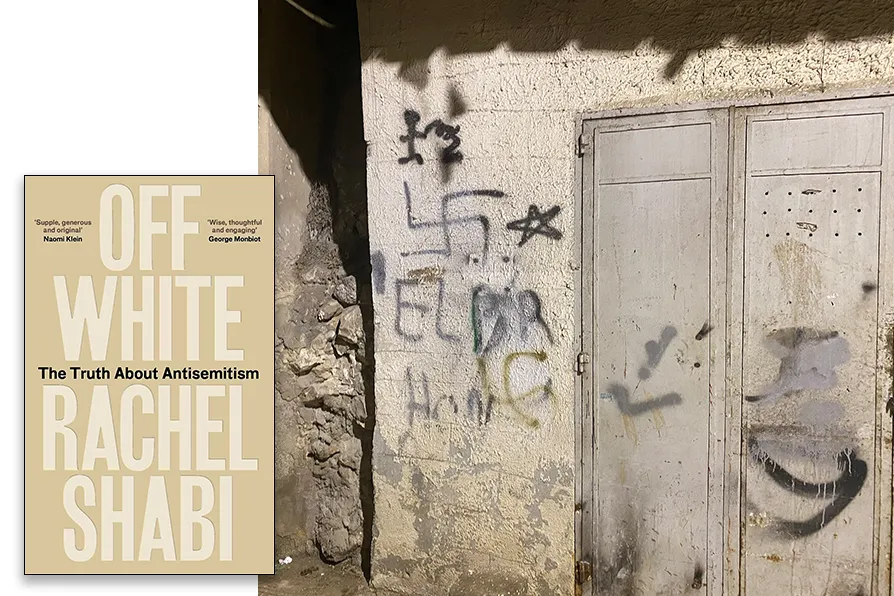
In search of political understanding, MATTHEW HAWKINS welcomes a critique of anti-semitism as codified by the Israeli state