
ROB WARZYNIAK wades knee deep through a pile of ‘dead canaries’ of Trumpist policies which exacerbated the horrors of US capitalism domestically


Profits flow freely while our rivers die
MARK SEDDON tries to cool off in the countryside to avoid the heatwaves but the greed and incompetence of the privatised water industry is now at boiling point
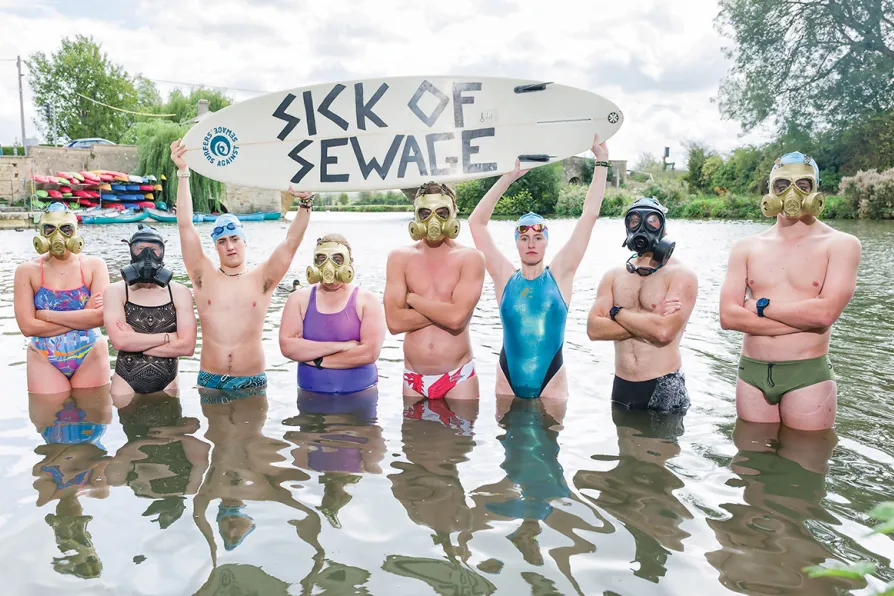
 Athletes representing the UK’s four nations begin a 200km relay swim along the River Thames to London as part of a Surfers Against Sewage campaign calling for urgent government action on sewage pollution, September 2025

Without evidence or Nato consultations Berlin’s answer to the Leipzig incident is a rupture of relations. SEVIM DAGDELEN examines why
FRANCISCO DOMINGUEZ introduces the background to a conference on defending Latin America’s sovereignty
The glacier collapse in Nepal is yet another warning that a warming planet is making Himalayan disasters more frequent and destructive – but the countries facing the greatest risks are often those least responsible, says LI YANG
Nick Blair is set to benefit from a hugely lucrative contract to ‘virtually’ train the British army for its next war. Like father, like son, writes SOLOMON HUGHES
Even when tragedy strikes, Western media cannot resist the opportunity to turn it into a sordid propaganda opportunity, as the Nepal-China border tragedy shows, writes CARLOS MARTINEZ
Trade unions should be at the heart of the anti-racist push for reparations for the historic legacy and continuing impact of slavery, writes ROGER McKENZIE





ALMOST everything about this summer seems abnormal as the heatwaves continue and the countryside turns a parched brown. An early autumn is upon us with trees shedding their leaves. Our colony of swifts disappeared back to equatorial and southern Africa at least a couple of weeks ago, much earlier than usual. They must have bred early and left early, their loud, high-pitched screams as they shot like darts through the air are missed.
There is of course a north-south divide but, when it comes to rainfall the north, for once, has the advantage. Back in the summer of 1976, there was a prolonged drought but without the climate-change induced heatwaves of today.
Prime minister James Callaghan appointed Labour MP, Dennis Howell as the minister for drought while Britons struggled with hosepipe bans.
He must have been rather successful, because two or three years later he was made minster for snow. Incidentally, Howell was regarded back then as being on the right wing of the Labour Party, and yet he was quite happy to turn up in support of striking workers on the Grunwick picket line.
So, with all the hot weather, there was no better time to disappear with the family into the wilds of north-west Herefordshire, to camp in a valley that time appears to have forgotten.
Once the pastures that run along the riverbank were grazed by cattle, but since a tuberculosis outbreak some years ago, the pastures have been rewilded with wildflowers and are mown in the old way for hay.
The heat was beating down on us as we headed to an area just above a weir, where we could go swimming. This week we learned that only one in seven British rivers are being classed as being in good ecological condition by the Environment Agency.
While the upper reaches of this particular river are probably in that category, even this section was affected by long, algal strands that had wrapped themselves around the water crowfoot — a wild river plant whose presence usually denotes clean water.
Later, walking over an old footbridge and gazing into the depths of the clear water, there was a loud splash as a large trout leapt from the water in pursuit of a fly.
Apparently, there are still wild salmon in this river, although none of us were fortunate to spot any of these. But there were native crayfish in abundance, which look like large scorpions.
The native crayfish are much smaller than the invasive American crayfish, which are slowly working their way up these rivers as they are doing elsewhere. When they do arrive, they soon displace the natives and burrow into riverbanks often causing great damage.
Last year, down in Pembridge, warning signs were posted and people were asked to keep clear of the water as attempts were made to keep the marauding American crayfish at bay.
As dusk descended and we wandered back, a roe deer was startled and crashed off into the undergrowth. The hoot of an owl was the only other sound to carry across this ancient valley.
Public need, private greed
ARE THERE hosepipe bans in the Gulf states, I wondered the other day as the sheer scale of the incompetence, greed and irresponsibility of England’s privatised water companies becomes more apparent every day? The answer it appears is no. Certainly, whenever I have been in the Middle East I have always been amazed at just how green the grass is in many public spaces.
Water, I am told is expensive in the Middle East, but then it is not exactly cheap here either. However, in the Gulf they appear to have invested heavily in desalination plants. Over here, the water companies have invested in precious little, preferring to shower their bosses with grotesque amounts of cash.
In this country there has been almost zero investment in our water infrastructure ever since the disaster of privatisation. When you see that some of the driest parts of the world seem to manage water resources quite well, while in one of the wettest places on the planet, we simply can’t, many people become justifiably angry.
Consider some of the facts: 25 reservoirs flogged off since 1992 — all of these belonged to us, the taxpayer — and no new ones built. Some £85 billion has been paid in dividends to shareholders, with £25.3bn paid to chief executives and finance directors. An increase on the year before, despite the government’s ban on bonuses. The water bosses simply found ways around the legislation to fill their pockets, just as the bankers did after the last financial crash.
The failing behemoth that is Thames Water has shown its contempt both for Parliament and the public by paying its new chief finance officer a £1 million “signing-on fee.” This is daylight robbery! We don’t need “better regulation” of the water privateers because that does not work. We need nationalisation without compensation, now. So, what is Andy Burnham waiting for?
Great British Elms (Kew Publishing) by Mark Seddon and David Shreeve is available at tinyurl.com/GreatBritishElms. This column appears fortnightly.

Similar stories
Welsh wanderings showcase fiery destruction, alternative water ways and revive memories of a local mining legend, writes MARK SEDDON
MAT COWARD says the heatwave is a testing time for gardeners — but he has some tips
Millions of elms were wiped out by Dutch elm disease in the 20th century, transforming the landscape forever – yet pockets of hope are keeping this beloved tree alive. MARK SEDDON explains
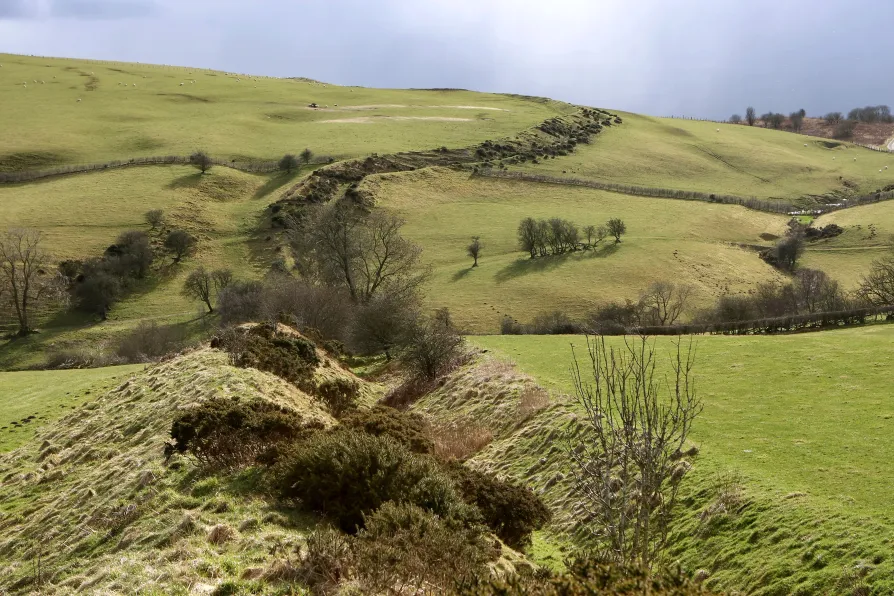
In his fortnightly Borderlands column, MARK SEDDON visits overgrown forts along Offa’s Dyke and reflects on wars past and present