

 Latest editorial
 Andy Burnham’s 'cost-of-living' has been put into perspective





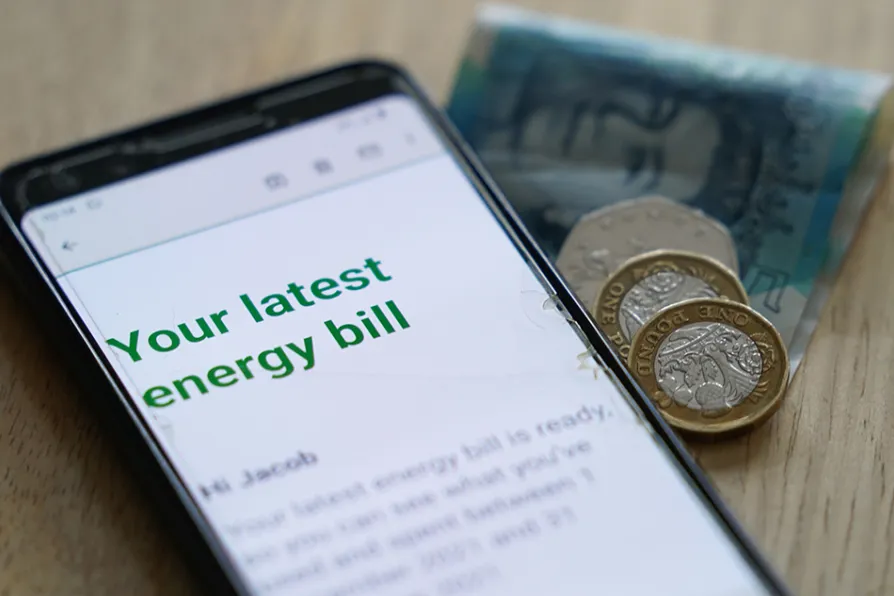
OFGEM’S 13 per cent hike to the gas and electricity price cap puts Andy Burnham’s “cost-of-living” tour in perspective.
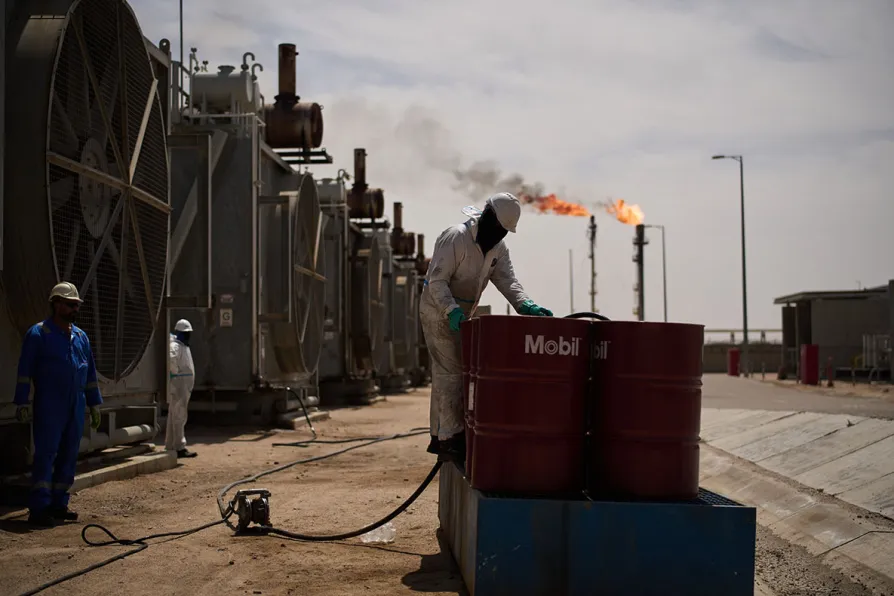
Chancellor John Healey is reduced to citing Burnham’s previous announcements on bus fares and reduced VAT as evidence government is serious about reducing household costs, while blaming the Iran conflict for rising prices — not inaccurate, but an excuse which begs the question why Britain continues to facilitate Donald Trump’s illegal war by allowing him to use our bases to strike Iran.
It is all very well blaming global factors — war, instability, climate change, though Britain is hardly a hapless bystander when it comes to those. The fact remains that not only are energy bills roughly double what they were five years ago (wages and pensions, it need hardly be said, have not risen at a similar rate) but British prices are among the highest in Europe.
And there are structural reasons why. Privatisation does not just leech super profits from the system.
It does do this: Centrica, owner of British Gas, recorded operating profits of £855 million last year, and over £1.5 billion the year before.
The Common Wealth think tank found last year that shareholders in privatised energy have taken over £70bn in dividends since 2010 — profiteering on a similar scale to that which has wrecked our water supply network — and that a quarter of our energy bills go into corporate profits.
That’s money that could directly lower bills. Or it could be invested in the system, to increase resilience or to accelerate the transition to renewables (which are, per unit of electricity generated, usually cheaper).
Britain’s ability to absorb international price fluctuations is crippled by its lack of storage capacity — we can only store enough natural gas for a few days’ demand at peak, winter, levels while neighbours France and Germany hold over three months’ worth.
The closure of the Rough facility in Yorkshire in 2017 cut national storage by over two-thirds at a stroke: and it was down to privatisation, the reluctance of Centrica to pay for maintenance or repairs.
Rough has partly reopened since, but at vastly reduced capacity, and government continues to regard its survival as a commercial matter, ultimately down to whether shareholders will prioritise the long-term interests of the public or their dividend payouts.
Profiteering raises prices in the here and now, but it also steadily degrades our infrastructure, limiting our ability to bring them down long term. Of course, increased capacity would only affect bills if government took control of the sector and used it to reduce them.
The government’s ability to tackle the cost-of-living crisis is constrained by the privatisation of economic power which Burnham promised, on his coronation as Labour leader, to reverse.
Apparently he recognises the problem — but not how deep the rot goes, how extensive is the surgery needed to cut it out.
The whole of British politics has been transformed by Thatcherite market dogma, not least the Labour Party. It is corrupted and in hock to the vested interests determined to uphold the rigged economy.
Labour MPs are among those receiving generous funding from private energy interests, just as it’s a former Labour minister who chairs Water UK, the body representing the ecocidal water profiteers.
Consultations and listening tours will not change things. Given the extensive work already done on the practicalities of returning utilities to public ownership — the Unite union has drawn up costed plans for energy nationalisation, for example — they look evasive, not decisive.
Burnham needs to show he can do something about the price rises making life a misery — and that means confrontation with those profiting from them. It’s a class question, one the labour movement needs to force on the Labour government.

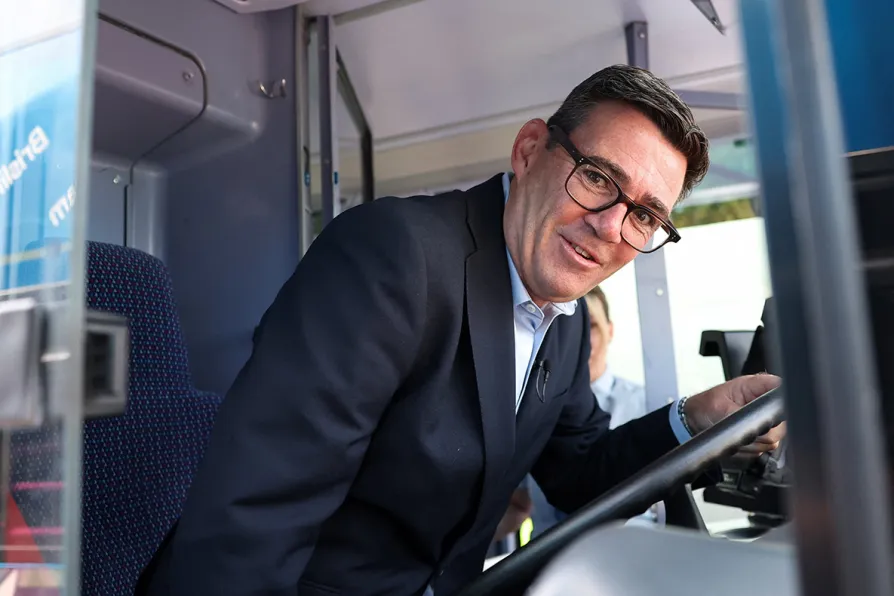
Waiting for the grander vision to emerge
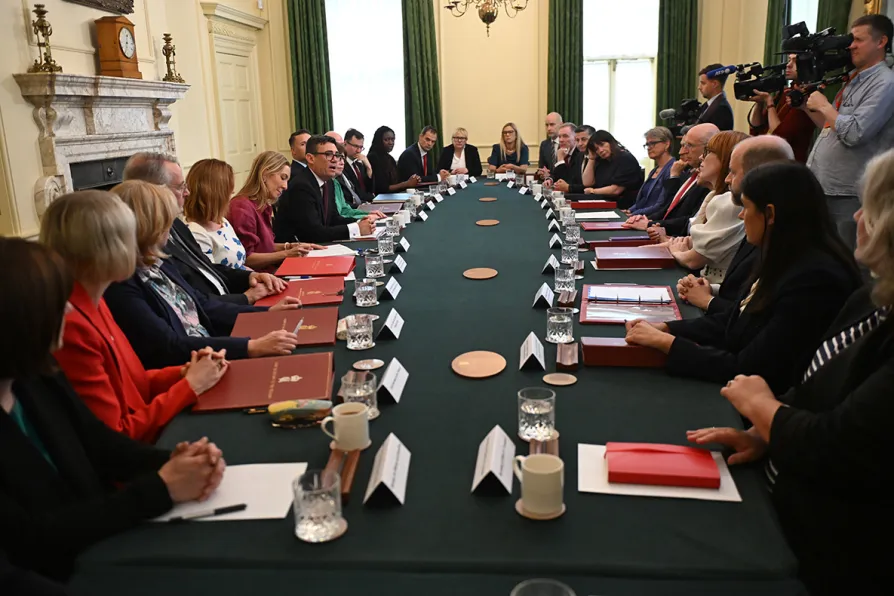
New PM slashes fuel bills and culls Starmer deadwood, but peace activists warn that placing John Healey as new Chancellor shows ‘beyond doubt that the military industrial complex is in charge of Burnham’s economic policy’