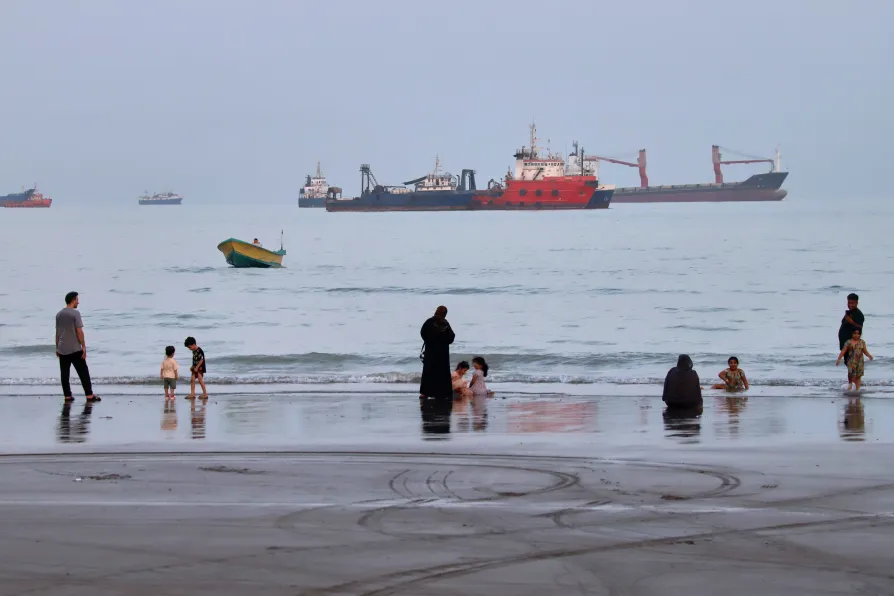
 Strait of Hormuz





IRAN is currently not holding direct negotiations with the US and is only exchanging messages through intermediaries, Foreign Minister Abbas Araghchi said on Sunday.
Mr Araghchi added that “efforts are under way to create grounds for negotiations.”
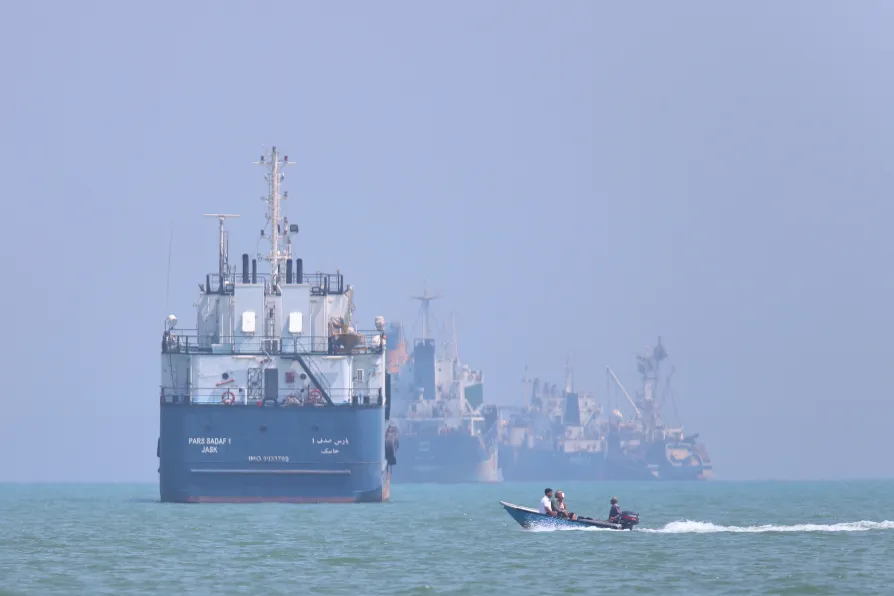
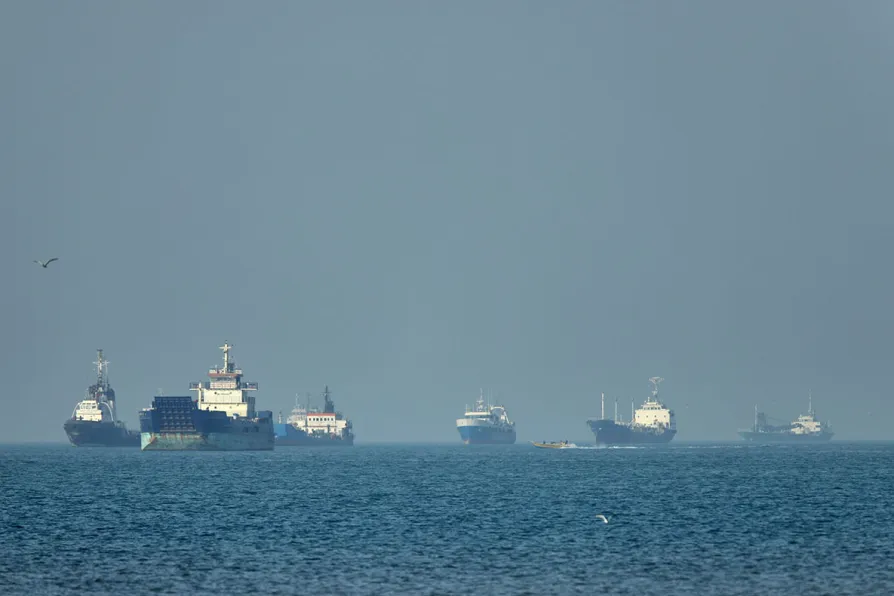
Iran’s Supreme National Security Council has meanwhile set out new conditions it says Washington must meet before the Strait of Hormuz can fully reopen.
Council secretary Mohammad Bagher Zolghadr said the strait would remain closed until the US “corrects its behaviour,” listing six demands, including an end to US threats and insults to Iran’s national and religious values and a permanent end to attacks against Iran and its allies in Lebanon, Palestine, Yemen and Iraq.
It also demands the withdrawal of US naval and air forces from around Iran, compensation for two “imposed wars,” the lifting of sanctions and the unconditional release of frozen Iranian assets.
Iran’s Islamic Revolutionary Guard Corps has echoed similar demands, with spokesperson Hossein Mohebbi saying: “Whenever the United States accepts Iran’s conditions, the Strait of Hormuz will certainly be reopened.”
The demands broaden earlier terms set out in a June memorandum, which had treated similar issues as part of a reciprocal, phased process rather than preconditions.
This differs from Washington’s position, with an unnamed US official telling Reuters the blockade would be lifted once shipping through Hormuz resumed “without impediments” tied to Iran meeting its own commitments.
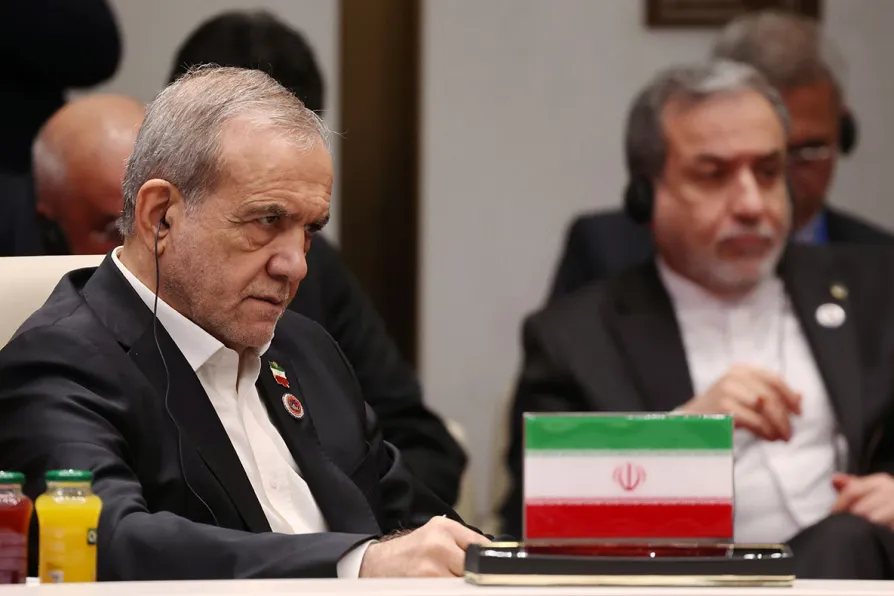
President Masoud Pezeshkian said he believed “now is the best time for an agreement,” pointing to “cohesion, strength and unity” within Iran, and called for a mechanism to resolve disputes over the memorandum rather than allowing them to escalate into military confrontation.