While riding the No 3 bus in Glasgow MATT KERR has ample time to dissect the moribund Scottish Labour decline into near oblivion and watch intriguing bus passenger dynamics


 Latest editorial

From colony to curriculum gap: the erasure of Irish history in Britain
From colonialism to the Troubles, the story of England’s first colony is one of exploitation, resistance, and solidarity — and one we should fight to ensure is told, writes teacher ROBERT POOLE
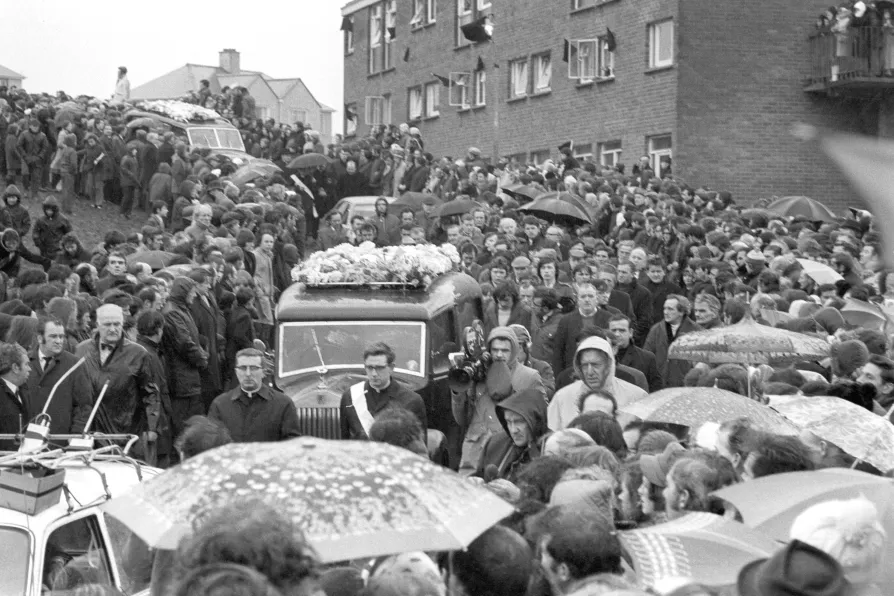 CRUCIAL HISTORY: A silent crowd follows the funeral procession of the 13 who killed on Bloody Sunday, February 1972

The best wildfire service may begin with the community, argues KOMAL RAJ ARYAL
Dignity is important to all humans, argues the Marx Memorial Library and Workers’ School, but it does not come about automatically. In a less than perfect world, dignity can accompany suffering, but the collective dignity of working people is achieved through acting together to change the world.
The US aim to reshape the existing order in the Middle East needs to be resolutely resisted, argues PAYAM SOLHTALAB
Concessions to Washington by the post-Maduro leadership in Caracas are designed to preserve the core of the Bolivarian Revolution not betray it, argue Roger D Harris, Francisco Dominguez and Mara Paez Victor. How the solidarity movement responds is critical
ALMA EGAN suggests four days out that bring the region’s history of protest to life





I HAVE a confession to make. I’m a third Irish, according to the DNA test my sister bought me for Christmas, yet it took me 40 years to learn anything about the history of Ireland. As the crow flies, I live closer to Dublin, where my grandmother was born and spent most of her childhood, than I do to London. Yet I’ve never even spent a drunken weekend on a stag do in Temple Bar.
My only introduction to Irish culture was singing rebel songs with my aunts, uncles and cousins at my grandparents’ house on Boxing Day each year. My mother used to tell me about her Irish dancing lessons and my aunt recalls being in a dance troupe called “Sinn Fein.” But over time, as the family grew and mixed with English blood, that sense of Irishness seemed to fade.
I’m not alone. Some estimates suggest over six million people in Britain and the north of Ireland are entitled to an Irish passport — more than the population of the Republic of Ireland itself! Yet I’d wager that one thing many of us share is our ignorance of Irish history.

Similar stories
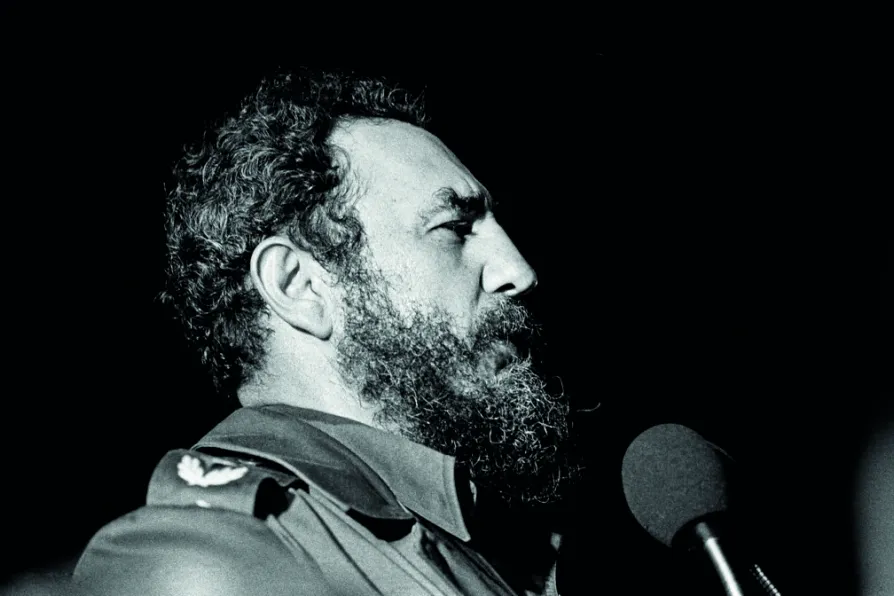
Although separated by an ocean, the two islands share deep historical bonds of anti-imperialist solidarity, writes Chris Hazzard MP
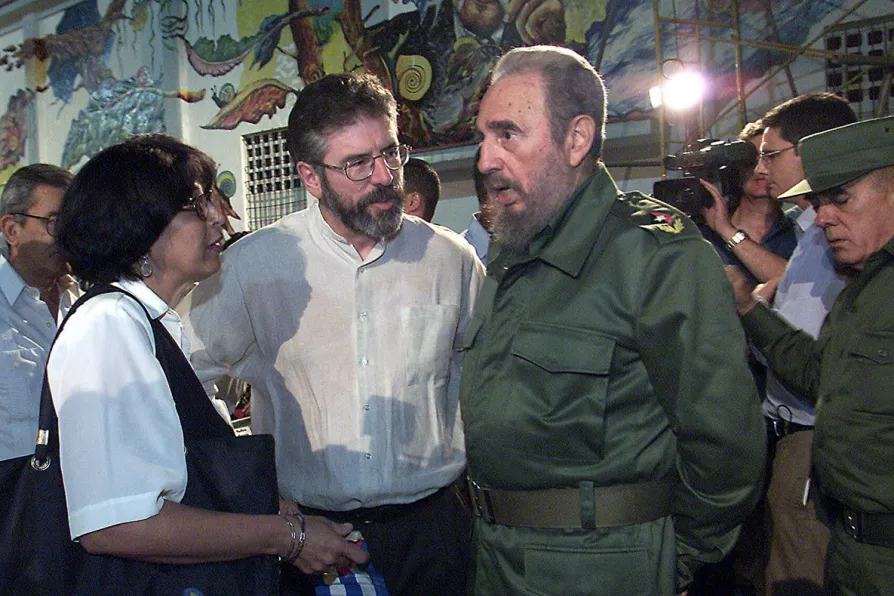
JOE DWYER of Sinn Fein reflects on the links between the Irish and Cuban struggles for independence and on Castro’s personal engagement with the cause of Irish freedom
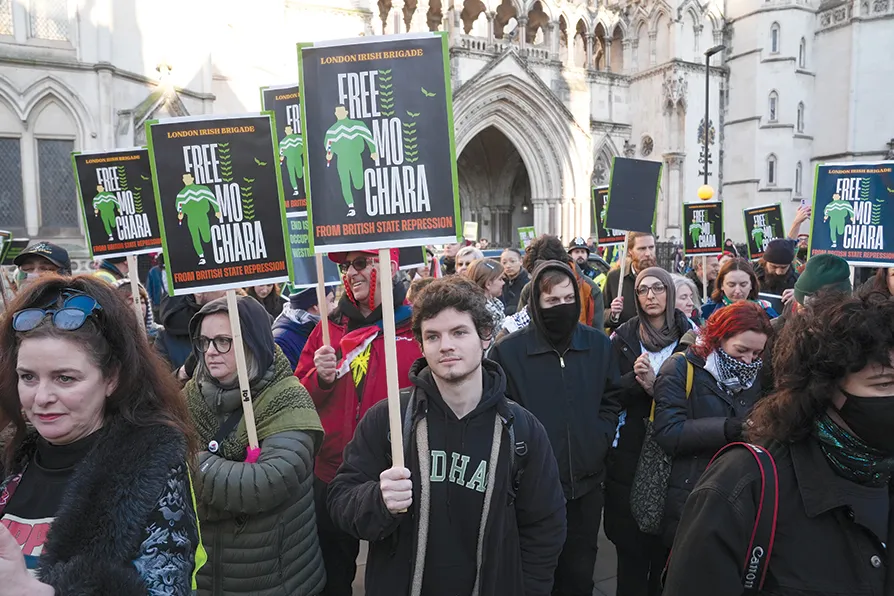
AARON SMITH discusses why the Protestant diaspora are still part of Yeats’s ‘Indomitable Irishry’, and an integral part of any future united Ireland.
TOM GALLAHUE argues that asking what role Irish diaspora educators can play in shaping Irish unity is to ask a deeper question about democracy itself