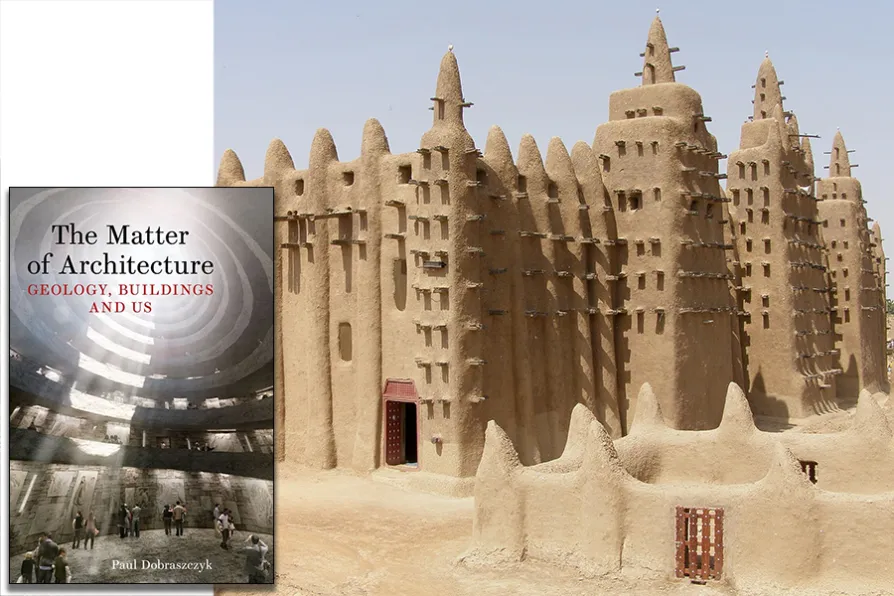
JAMES WALSH is moved by a provocative and original take on the relationship between ecology and architecture, and a plea to work with, not against, the materials and minerals of our world


 Latest editorial

‘Poetry is there for everyone’
A new collection of work by Roque Dalton demonstrates why his revolutionary poems have such widespread appeal, says ANDY CROFT
An immersive, participatory display by a queer Australian Aboriginal performer, and a rebellious unravelling of traditional Scottish dance
EWAN CAMERON witnesses a political farce that lacks a clear message
EWAN CAMERON picks out two fascinating music shows, fusing the Korean, and the Celtic, with the modern
BENJAMIN POTHIER suggests that Palaeolithic cave paintings in Spain point to the ceremonial use of hallucinogenic flora
The bard confirms that the right has a humour bypass, and replays the English Revolution on period instruments





ROQUE DALTON (1935–1975) was one of the best-loved poets of the Latin American liberation struggles of the last century.
He was a guerilla-poet who stared death in the face many times, but his life was a triumph of revolutionary optimism: “I believe the world is beautiful,/that poetry, like bread, is there/for everyone./And that my veins don’t end in me/but in the common blood/of those battling for life,/love, things,/the landscape and bread,/poetry for everyone.”
A member of the Salvadorean Communist Party, Roque Dalton was first sentenced to death in 1960 for organising students and peasants against the local landowners. On the day of the execution his life was saved when the military dictatorship was overthrown in a coup. Incredibly, Dalton escaped death a second time in 1965 when the prison he was in was hit by an earthquake.

Similar stories
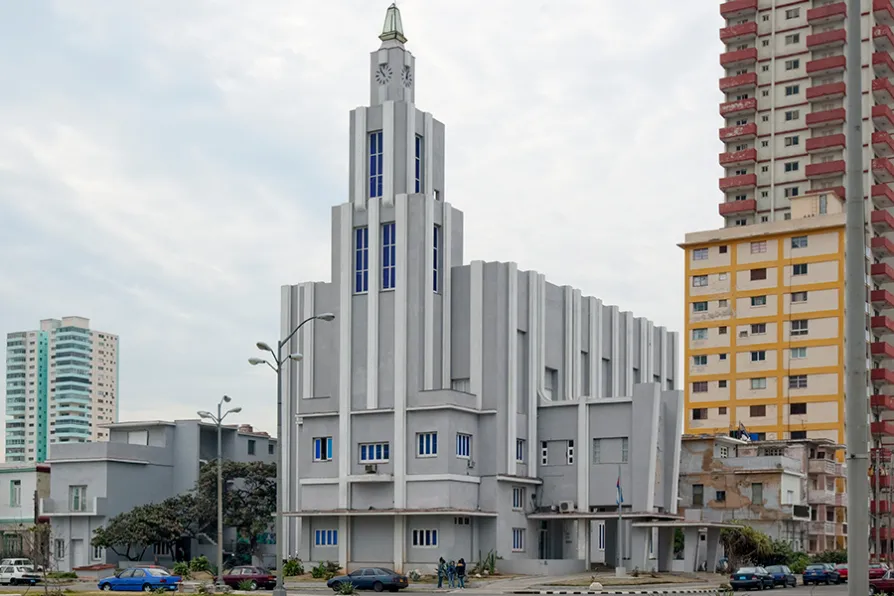
MIGUEL YOSHIDA explains the evolution and influence of the Cuban Casa De Las Americas in joining culture to the revolutionary struggle
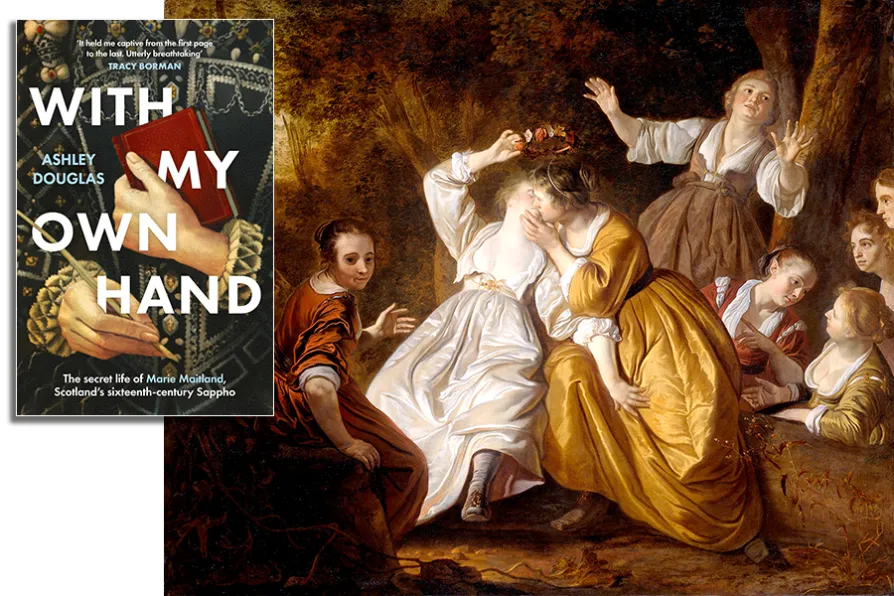
DIANE WATT argues that while evidence of sex is not there, a 16th‑century lesbian poet could be Scotland’s answer to Gentleman Jack
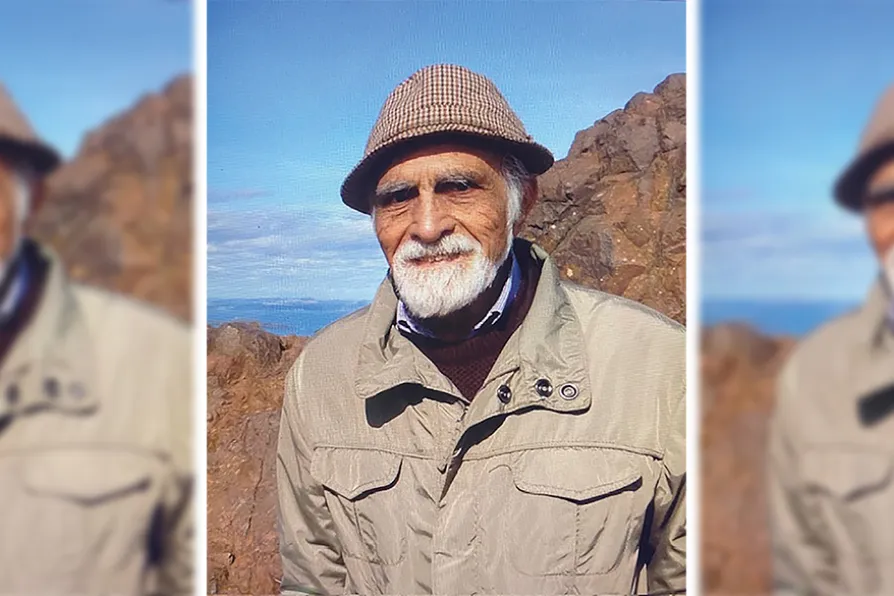
19.01.1930-23.04.2026
Kate Clark pays tribute to Ricardo, whose life spanned the hopes of Allende’s Chile, the horrors of military dictatorship and decades of campaigning for justice in exile
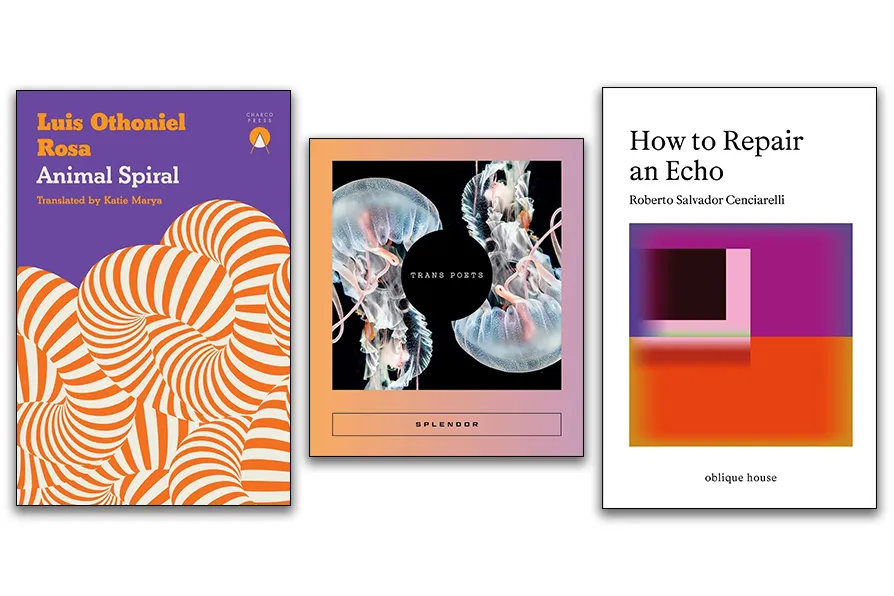
From post-human revolution in Puerto Rico to trans poetics and queer mythmaking, these three books that imagine new ways of being together