JOHN WIGHT writes about the shared love of the ring that strengthened two icons in their struggles against racism and injustice


 Latest editorial
Young women in Rio favela hope to overcome poverty and violence to play in Women's World Cup in 2027
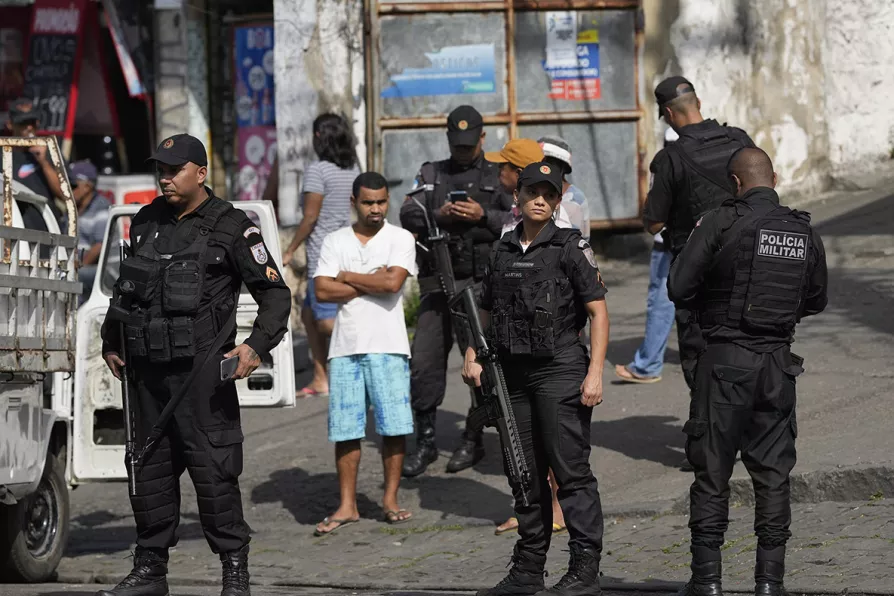 Police stand guard in the Complexo do Alemao favela in Rio de Janeiro, Brazil
F1 admits pit-lane measurement discrepancy as Russell fumes over penalty fallout





A 20-MINUTE drive separates the historic Maracana Stadium from the Complexo do Alemao, the biggest complex of favelas in Rio de Janeiro and one of the most impoverished and violent.
One of its residents, 15-year-old soccer player Kaylane Alves dos Santos, hopes her powerful shots and impressive dribbles will allow her to cover that short distance to the stadium in three years to play for Brazil’s national team in the final of the 2027 Women’s World Cup.
That chance, once remote, became more realistic on Friday when Fifa voted to make Brazil the first Latin American country to host the Women's World Cup.

Similar stories


Joao Pedro’s emotional goals against Fluminense captured the magic of an international club competition. But even as fans bring colour and passion, the Club World Cup’s deeper issues loom large, writes JAMES NALTON

Klopp leads tributes as sports world mourns tragic loss of player and his brother