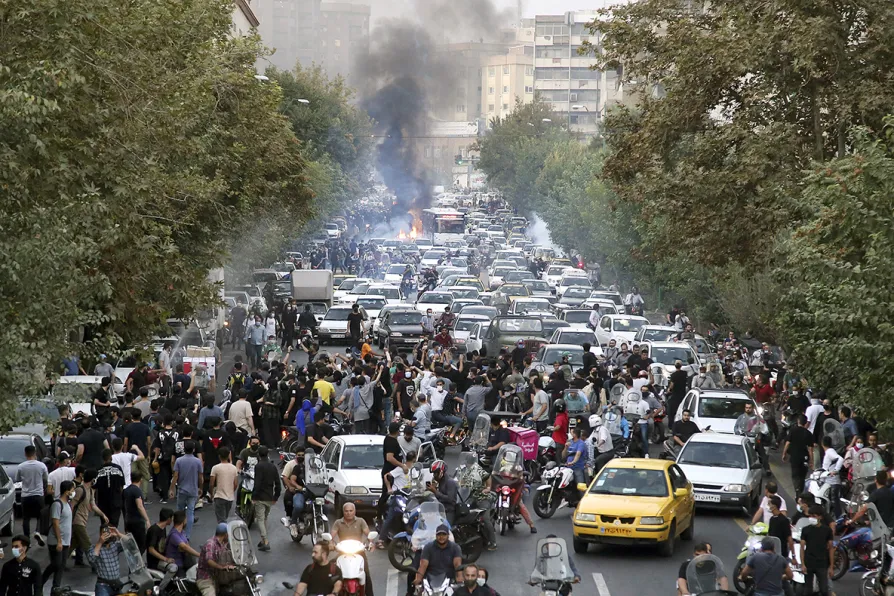
 A protest over the death of a woman who was detained by the morality police, in downtown Tehran, Iran, September 21, 2022





AT LEAST nine people have so far been killed in protests against Iran’s “morality police” that have swept the nation since the death in custody of Mahsa Amini.
The 22-year-old woman died a week ago after being arrested for allegedly breaching sexist dress codes. Her death, claimed by police as the result of a sudden heart attack, has sparked mounting demonstrations.
Iranian authorities were accused of disrupting internet access and responsibility for widespread outages on the WhatsApp and Instagram platforms being used by protesters to organise.
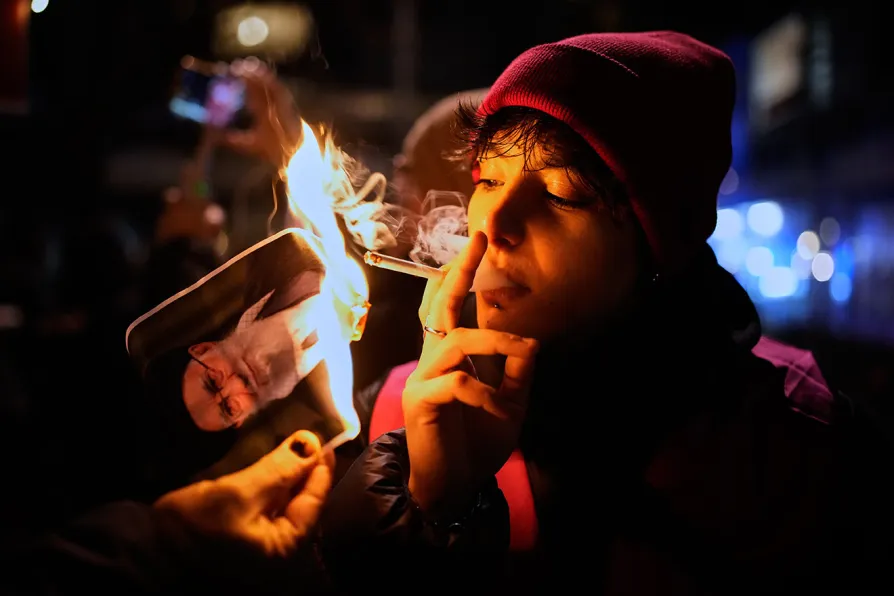
Women at protests have removed the hijabs they are ordered to wear when in public, at at least one protest burning them in denunciation of Iran’s repressive laws around how women must present themselves.
At others rubbish bins have been set alight and protesters have chanted “Death to the dictator!” and demanded a transition to a democratic republic from Iran’s theocratic regime, in which elections are monitored and candidates vetted by the Guardian Council, a religious body under the influence of the Supreme Leader Ayatollah Ali Khamenei.
Iranian state media acknowledged protests in 13 cities, and videos posted online show police firing tear gas and water cannon at crowds.
The death toll of nine is an Associated Press tally of individual deaths reported in Iranian media, and may be short of the total.
In Ms Amini’s home province in the north-west, Kurdistan, the provincial police chief said four protesters had been killed by live fire.
In Kermanshah, the prosecutor claimed two protesters were killed by opposition groups.
Iran accused foreign powers of fomenting the protests.

MOHAMMAD OMIDVAR, a senior figure in the Tudeh Party of Iran, tells the Morning Star that mass protests are rooted in poverty, corruption and neoliberal rule and warns against monarchist revival and US-engineered regime change
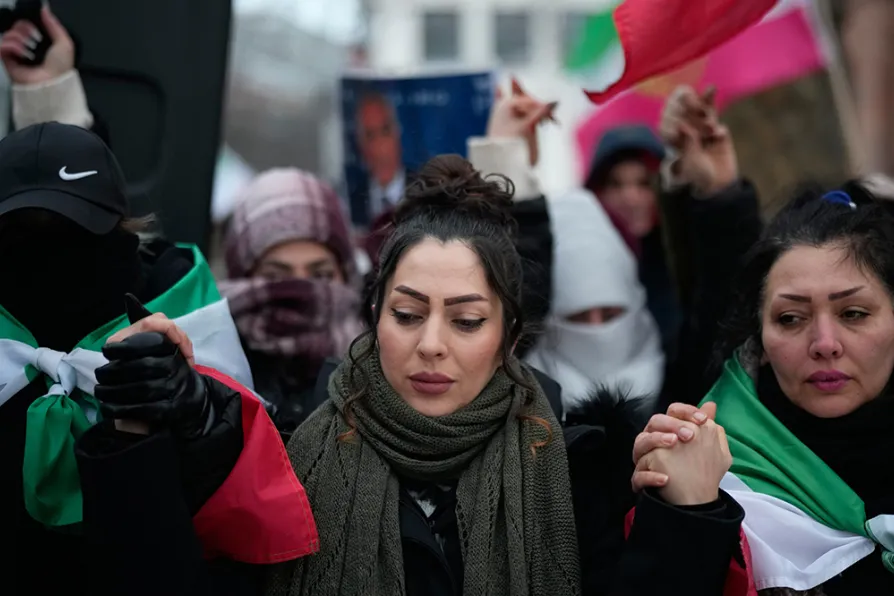
The Committee for the Defence of Iranian People’s Rights (Codir) welcomes demonstrations across Iran, which have put pressure upon the theocratic dictatorship, but warns against intervention by the United States to force Iran in a particular direction
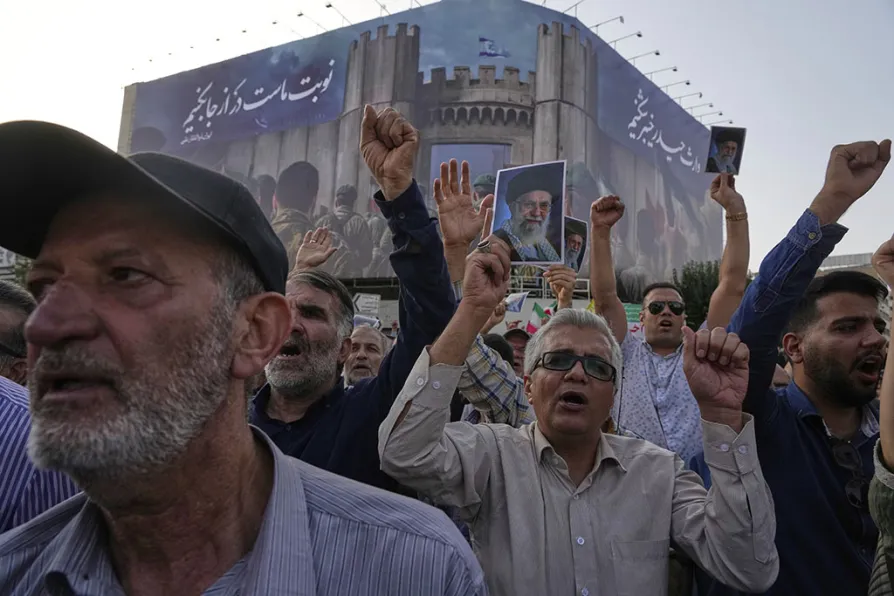
In the second of two articles, STEVE BISHOP looks at how the 1979 revolution’s aims are obfuscated to create a picture where the monarchists are the opposition to the theocracy, not the burgeoning workers’ and women’s movement on the streets of Iran