Latest editorial
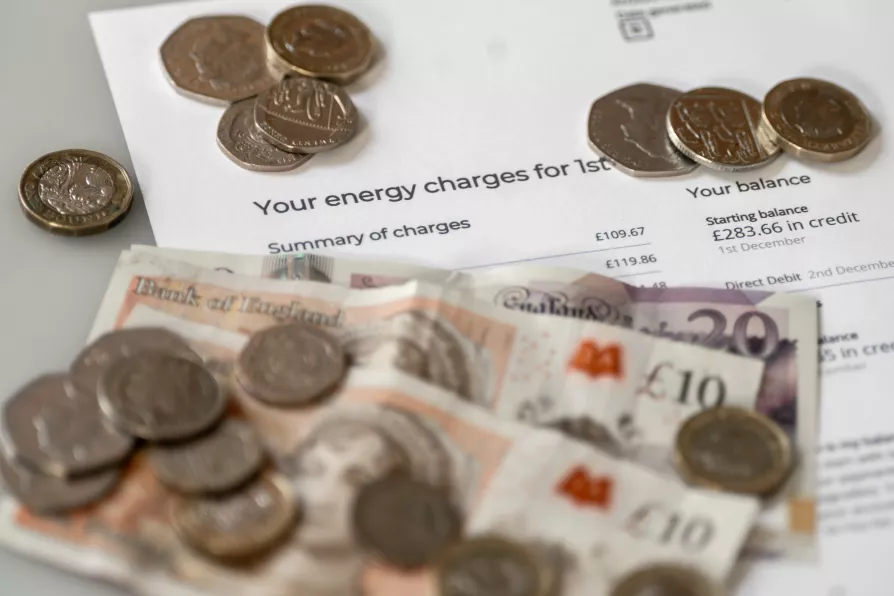






BRITAIN’S energy watchdog has been warned against watering down consumer protection laws despite bill disputes soaring and households facing an eye-watering 4 per cent hike this week.
Ofgem was urged not to green-light proposals to replace “clear, binding licence” conditions towards a so-called outcomes-based framework by the End Fuel Poverty Coalition.
The group of more than 100 civil organisation groups, councils and unions told the regulator that the “central problem in the retail market is not over-regulation, but under-delivery and weak enforcement” in a consultation that ended on Friday.
It added that the proposed framework “increases subjectivity” marking it “harder for consumers, and the advisers who support them, to understand their rights, to communicate them, to challenge poor practice and to seek redress when things go wrong.
“It also becomes harder to enforce and harder to raise an Ombudsman complaint and navigate through the process to get a positive outcome.
“These risks fall heaviest on precisely the people the outcomes are meant to protect: those in fuel poverty and debt, disabled people, carers and prepayment customers.”
Its warning came as the energy industry body Energy UK called for more targeted support for households who will struggle with the latest energy bill rise on Wednesday.
Experts predict Ofgem will increase the annual energy price cap for the three months from October to December by 4 per cent amid skyrocketing global prices due to the US/Israeli war on Iran.
The latest figures, meanwhile, show that energy complaints taken on by the industry ombudsman surged by 16 per cent in the first half of 2026 as billing concerns disputes soared amid pressures on household finances.
End Fuel Poverty Coalition co-ordinator Simon Francis told the Morning Star: “These figures are a warning that the energy market is still failing to get the basics right.
“It’s therefore exactly the wrong moment for Ofgem to be weighing up whether to water down binding billing rules which could make it harder for consumers to complain.
“With bills set to rise again from October, this is not a minor inconvenience. A wrong or missing bill can push people into the red.
“Energy debt is already at record levels as people struggle to afford energy, while the energy industry continues to post billions in profit.”
Yesterday Energy UK’s chief executive Dhara Vyas said that more targeted support is still needed to help households facing increased costs from Wednesday.
Experts at Cornwall Insight have predicted the highest average bill since July 2023, leaving a typical household facing an annual bill of £1,729, up from £1,663 — based on Ofgem’s updated definition of a typical consumer.
Ms Vyas said: “Too many households continue to feel the strain of high energy bills. Instead of relying on stop-gap, ad hoc or emergency measures, we need a better, targeted and more permanent way to give people confidence that they’ll get help when they most need it.
“The current arrangements fail to provide the help needed and work out more costly.
“Household energy prices are set to increase further for British households.”
Data published today meanwhile, show that the Energy Ombudsman accepted 46,532 cases in the six months to the end of June, up from 40,068 a year earlier and marking the first half-year rise in complaints since 2023.
Billing disputes made up the majority — 58 per cent — of complaints in the first half and were 15 per cent higher in total than a year ago, at 27,006, the figures reveal.
Complaints over smart meters also made up a significant proportion, at 10 per cent in the second quarter, and were 6 per cent higher overall in the first half at 4,817.
Chief ombudsman for energy Ed Dodman said: “Energy Ombudsman has an important role to play in ensuring consumers can access fair resolutions when things go wrong, while supporting suppliers to resolve disputes and address the root causes of complaints.
“We will continue to monitor complaint trends closely.”
The Department for Energy Security and Net Zero announced in June it would bolster the energy ombudsman’s powers and improve access for consumers, including cutting the complaint escalation timeframe from the current eight weeks to six weeks and allowing compensation for consumers when remedies are not secured on time.
A government spokesman has said: “Tackling the cost of living remains a key priority for this government and we know families will be worried by the prospect of higher energy bills this winter.”

TUC calls for tax increase on bank profits to pay for social tariff to cut household bills