

 Latest editorial
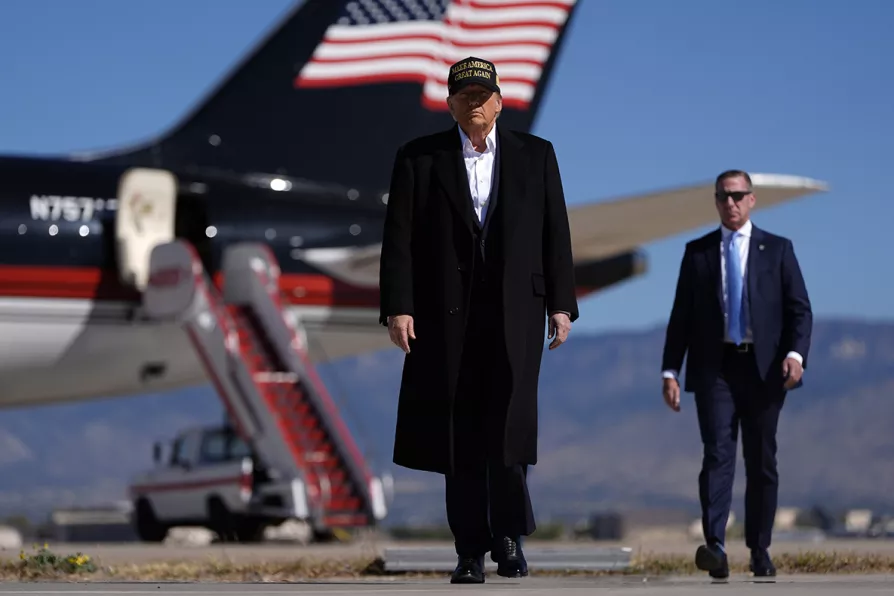 Republican presidential nominee former President Donald Trump arrives at a campaign rally at Albuquerque International Sunport, October 31, 2024, in Albuquerque, New Mexico






PAT McFADDEN’S advice on whether Donald Trump will begin a trade war against Britain and Europe is that we should “wait and see.”
The question points to the complex relationship between the United States, the world’s leading imperialist power, and its European allies.
After the second world war — prompted by the systemic threat to the imperialist world order posed by the socialist states and movements for colonial liberation — open inter-imperialist rivalry was largely replaced by a partnership approach.
US leadership is clear: its structural dominance is built into both the Nato military alliance and, through vote weighting, global financial institutions like the World Bank and International Monetary Fund (IMF). But concessions are made to Europe: Europe traditionally provides the secretary-general of Nato (though its commanding officer is always from the US) and the director of the IMF, for example. The imperialist countries collectively dominate world trade and control and exploit resources and people across the planet.
This model is coming under strain because of the rise of the global South, especially through the transformation of China into an economic, scientific and technological world leader and the way through both the Brics bloc and the Belt & Road Initiative it is helping other countries shrug off Western tutelage.
Fear of the end of Western hegemony stalks ruling classes across Europe and motivates them to cleave tightly to US projects aimed at shoring it up, both through an intensifying trade war against China and the eastward expansion of Nato that exploded disastrously into war with Russia over Ukraine.
Both have weakened European economies and further impoverished European working classes: and the deindustrialisation of Europe is proving politically destabilising — as the collapse of Germany’s ruling coalition shows.
Trump’s “America First” rhetoric is confrontational, and while his main target is China (on whose exports he threatens 60 per cent tariffs) he has suggested slapping high tariffs on British and European goods too. The aim, he openly states, is to encourage companies to relocate to the United States.
But this is already happening. Germany’s political crisis is directly linked to the collapse of its manufacturing sector, with Volkswagen’s threat to shut three factories and axe thousands of jobs the most recent example. Germany’s steel and chemical sectors are struggling too.
Their problems are inextricable from the war in Ukraine — with sanctions on Russian fuel having massively hiked energy prices in Europe. Cheaper energy and subsidies linked to Joe Biden’s Inflation Reduction Act have prompted an exodus of industry to the US: German capital investment in the US nearly doubled to over €15 billion (£12.5bn) last year. The biggest single investment was from the same Volkswagen that is cutting plants and jobs in Germany.
Germany’s problems are eye-catching as it is Europe’s dominant industrial power. The extent to which European ruling classes are complicit in the deliberate sabotage of their economies by the US is symbolised by the conspiracy of silence over the destruction of the Nord Stream gas pipelines from Russia to Germany, an act of industrial and ecological vandalism nobody is willing to openly blame on Washington, though no other perpetrator is plausible.
But the price is paid not just in Germany but by working classes all over Europe through extortionate energy bills and the consequences of those for industry and agriculture. Declining living standards, in the absence of a strong socialist movement, feed the far right that we see empowered in Italy and on the rise in Germany, Britain and France.
So we should not “wait and see” whether Trump starts a trade war. Reviving industry here means taking back control: intervening to control prices, investing to support domestic manufacturing and jobs, and taking public ownership of the essential infrastructure, including for energy, on which any industrial strategy must rest.

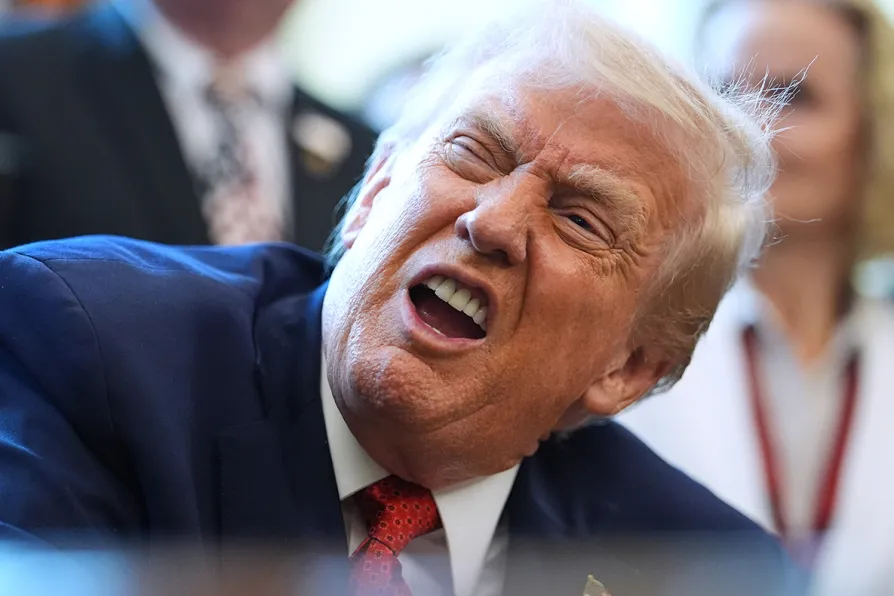
As the dollar falters and US power turns predatory, Britain and Europe must abandon transatlantic illusions and build a collectivist alternative before the system implodes, writes ALAN SIMPSON
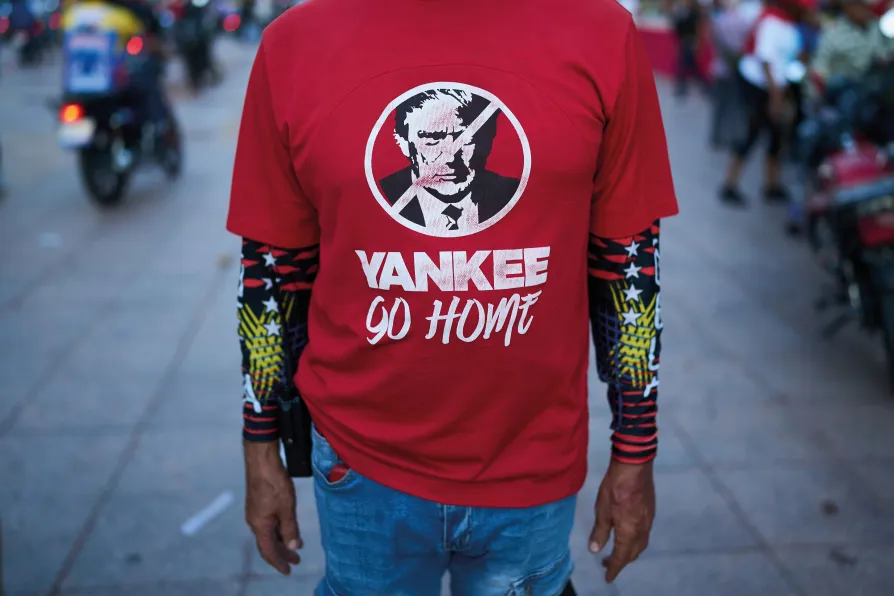
Western nations’ increasingly aggressive stance is not prompted by any increase in security threats against these countries — rather, it is caused by a desire to bring about regime changes against governments that pose a threat to the hegemony of imperialism, writes PRABHAT PATNAIK
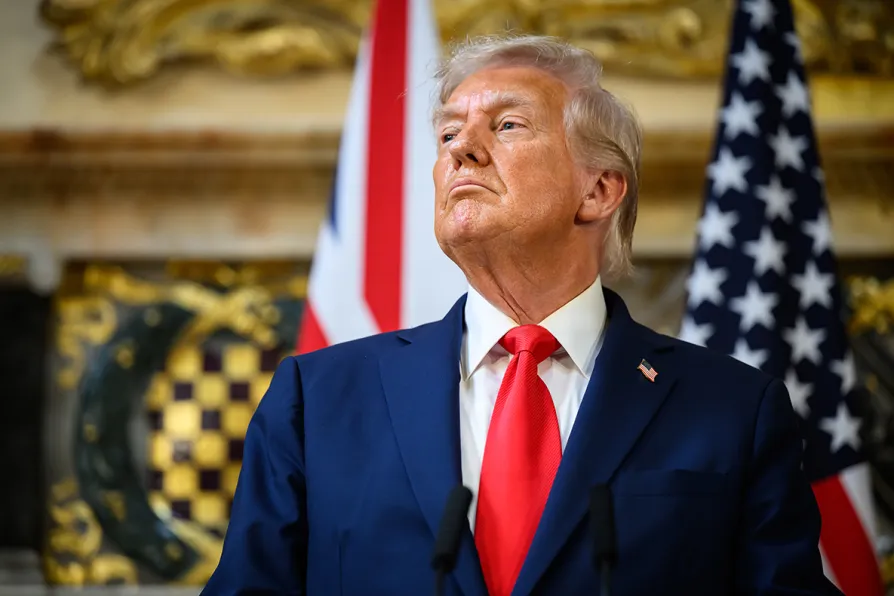
In Washington, the willingness to accept an open war with Russia is growing — at Europe’s expense. While Nato states are being drawn into confrontation, Europe risks becoming the battlefield of a potential world war, warns SEVIM DAGDELEN

As US hegemony crumbles and Trump becomes ever more unpredictable, European powers cling to the pact’s militarist agenda in a bid to disguise their own increasing irrelevance, writes CHRIS NINEHAM