CLAUDIA WEBBE speaks out against the lethal mechanics of Britain’s culture-war press


 Latest editorial

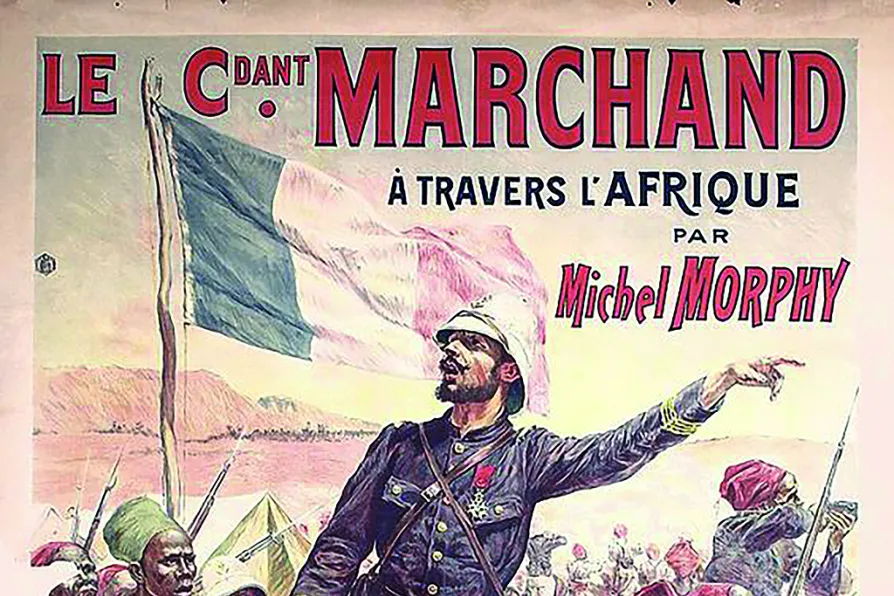
Tearing down the idols of colonialism in Africa
RAMZY BAROUD explains why Tunisia and many other African nations must take this moment to demand a French apology for centuries of brutal colonialism
Powerful agribusiness interests are trying to overturn efforts by the Lula government to protect the environment and indigenous peoples of the Amazon region, writes GABRIELA SA PESSOA
Trade unions and community groups are mobilising to push back against Trump’s racist raids after new revelations of spying on legal protesters. MARK GRUENBERG reports from the US state of Minnesota
The best wildfire service may begin with the community, argues KOMAL RAJ ARYAL
The evolution of the Scottish nationalist leadership into cheerleaders for Nato has led the party to betray its pledges on Palestine and social spending, writes COLL McCAIL
While riding the No 3 bus in Glasgow MATT KERR has ample time to dissect the moribund Scottish Labour decline into near oblivion and watch intriguing bus passenger dynamics





THE visit by newly elected Tunisian President Kais Saied to France on June 22 was intended to discuss bilateral relations, trade, etc. But it was also a missed opportunity for Tunisia to have formally demanded an apology from France for the decades of French colonialism, which have shattered the social and political fabric of this North African Arab nation since the late 19th century.
A heated debate at the Tunisian parliament prior to Saied’s trip highlighted the significance of the issue to Tunisians, who are still reeling under the process of socio-economic and political transitions following the popular uprising in 2011.
Sadly, the Tunisian parliament rejected a motion put forward by the centrist Karama coalition calling for a French apology, despite a 15-hour-long debate.

Similar stories
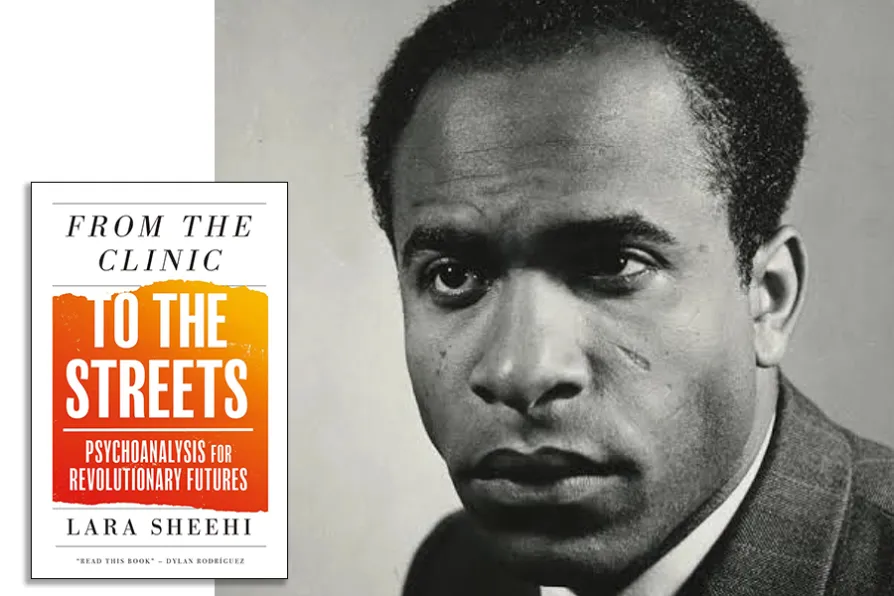
RON JACOBS recommends an important book that enhances the oppositional theories put forth by Fanon and, in doing so, remakes psychology itself
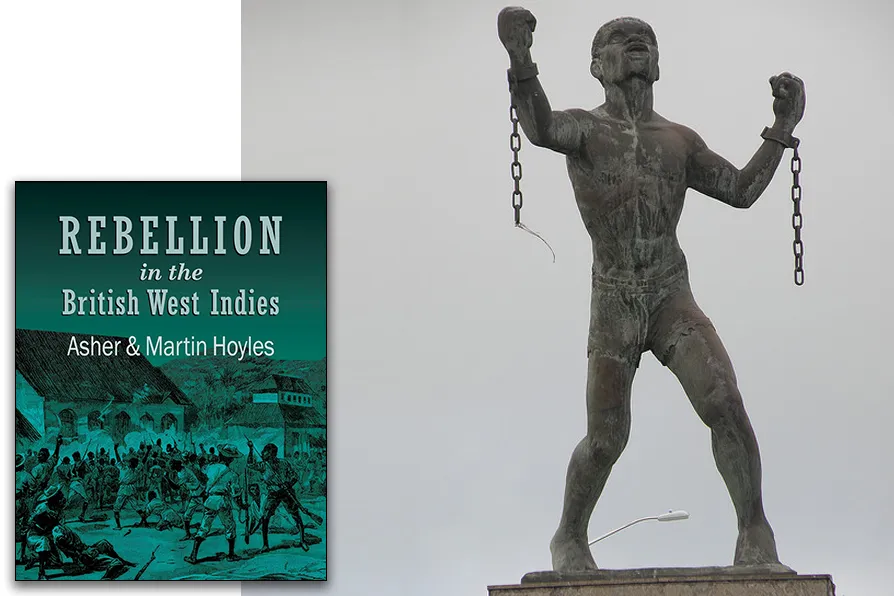
BOB NEWLAND appreciates an important contribution to the debate about how slavery helped to build the wealth of Western companies and states
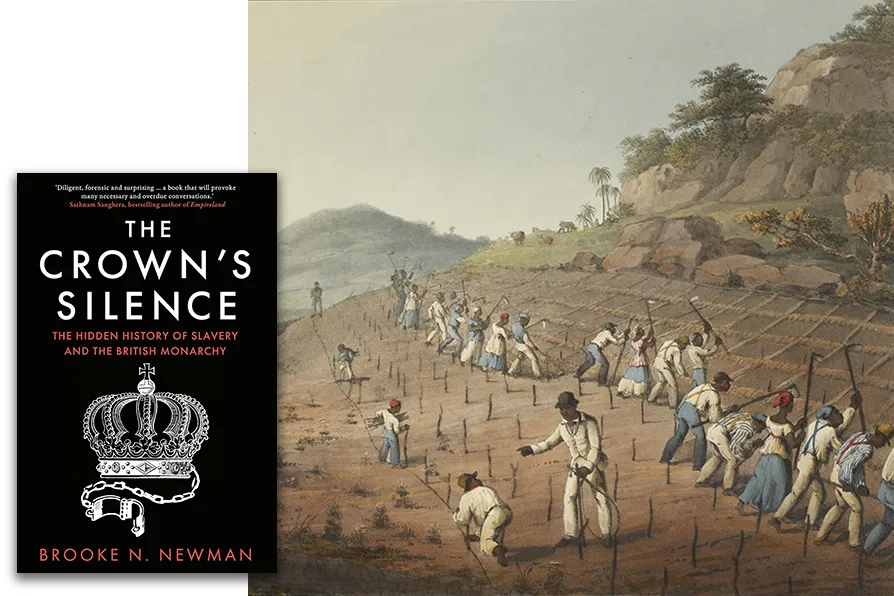
ELLIS RAE recommends a stunning history of the active role played by the British monarchy in establishing and profiting from slavery
ROGER McKENZIE argues that the BRI represents a choice between treating humans as commodities or as equals — an essential project when, aside from China’s efforts, hundreds of millions worldwide are trapped in poverty