The question is not simply how much we spend on defence, but what we understand defence and security to mean, says SIMON BRIGNELL



The Russian attack on Ukraine exposes the Western propaganda system
The British media is right cover the plight of the Ukrainians in detail — but if it paid the same attention to Yemen, a conflict Britain is actually a major player in, that war would be over in a week, explains IAN SINCLAIR
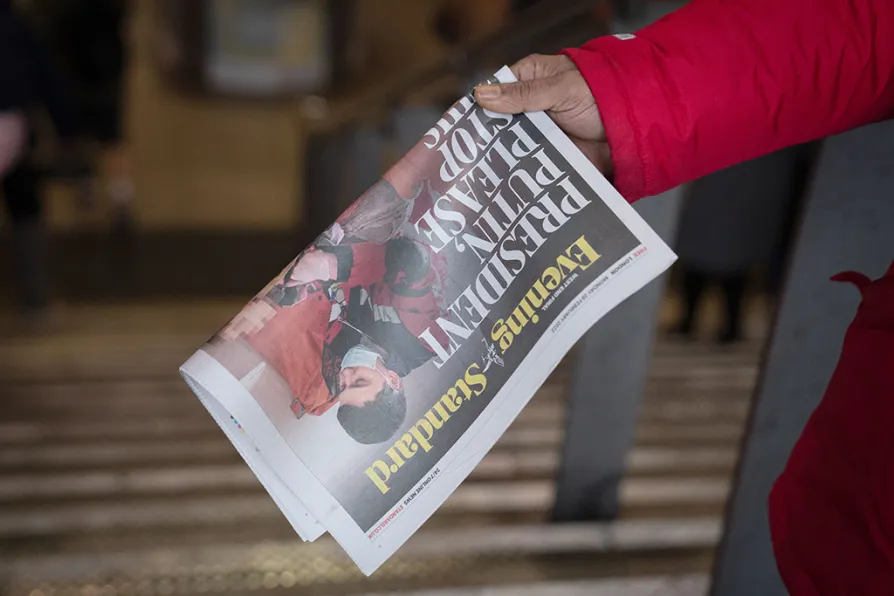
 Western press coverage of the Russian invasion is in stark contrast to the lack of attention shown to Saudi Arabia's brutal war on Yemen – now in its seventh year
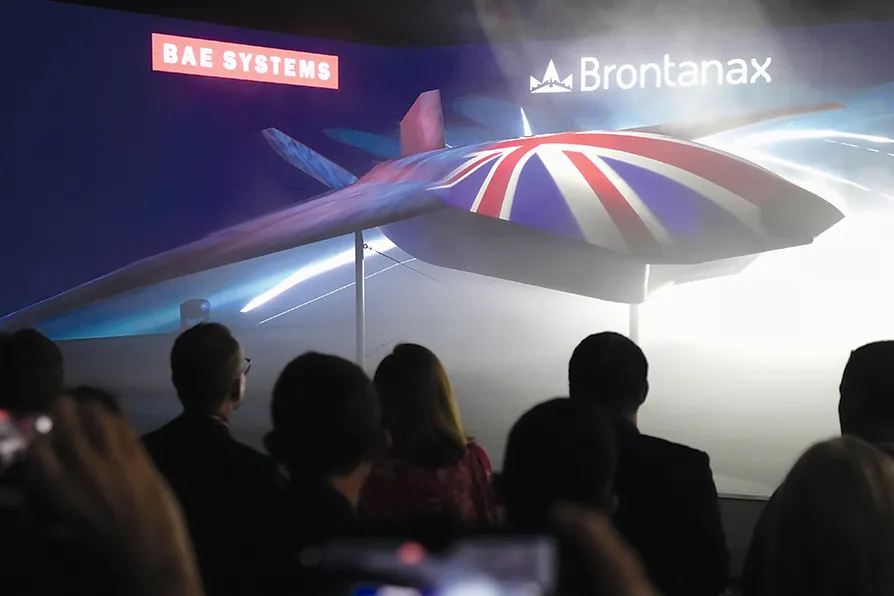
Given the recent rejection of peace proposals by Israel the world must provide an immediate and resolute response to force accountability on Gaza, argues RAMZY BAROUD
MARK SEDDON tries to cool off in the countryside to avoid the heatwaves but the greed and incompetence of the privatised water industry is now at boiling point
The disputed election of a far-right president, who is also a US citizen, signals further consolidation of Washington’s regional power and represents a threat to the country’s democracy and sovereignty, writes WT WHITNEY JNR
by Her Excellency Ismara Mercedes Vargas Walter, Ambassador of the Republic of Cuba to the United Kingdom
DR STEPHEN WILKINSON assesses the life and legacy of a revolutionary giant





THE Russian invasion of Ukraine has confirmed the criminal barbarity of the Russian government and the leadership of its armed forces.
On March 8 Filippo Grandi, the UN High Commissioner for Refugees, said two million people had fled Ukraine since the Russian attack on February 24. The same day the World Health Organisation reported attacks on hospitals, ambulances and other healthcare facilities had surged and the International Committee of the Red Cross described the conditions in the Ukrainian city of Mariupol as “apocalyptic.” On March 10 the Office of the United Nations High Commissioner for Human Rights verified a total of 564 civilian deaths, with close to 1,000 injured.
In addition to this horror, the crisis has also highlighted the extraordinary power and influence of the mainstream media. In particular, it has proven the continuing relevance of Edward Herman’s and Noam Chomsky’s analysis in their 1988 book Manufacturing Consent: A Political Economy of the Mass Media.

Similar stories
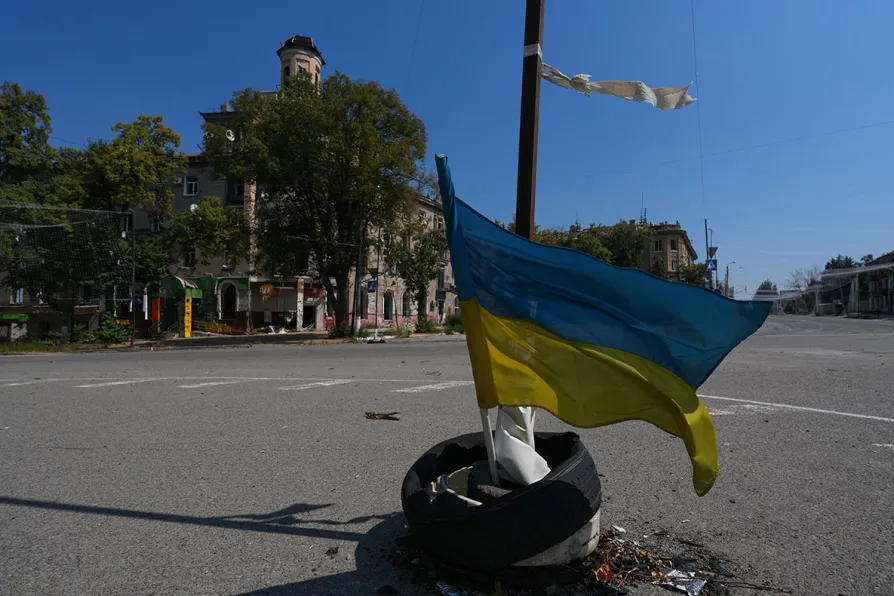
Andy Burnham offers unconditional support for Zelensky but no solutions to the underlying conflict between the Nato/EU bloc and Russia, says NICK WRIGHT
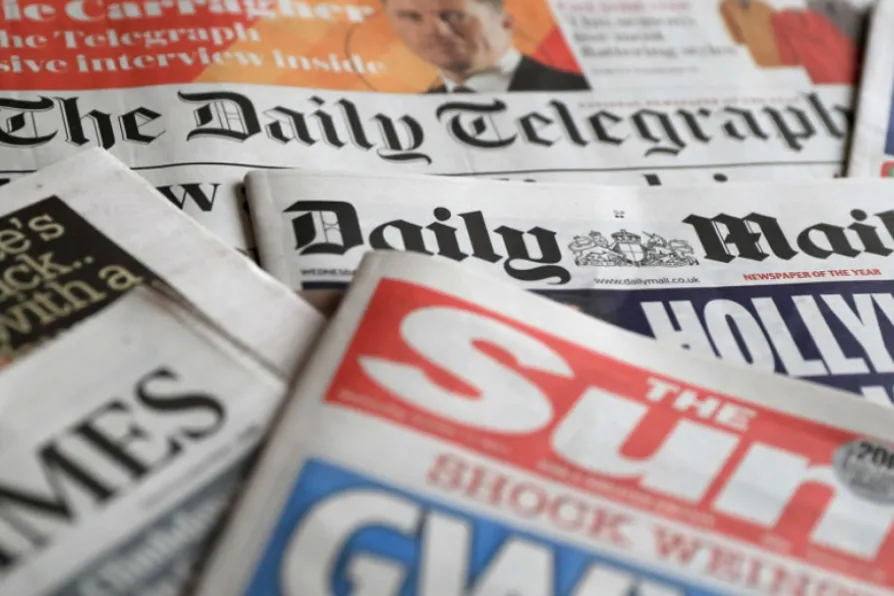
Media Lens at 25: David Cromwell and David Edwards reflect on a quarter-century of media criticism, explaining why independent journalism is more important than ever
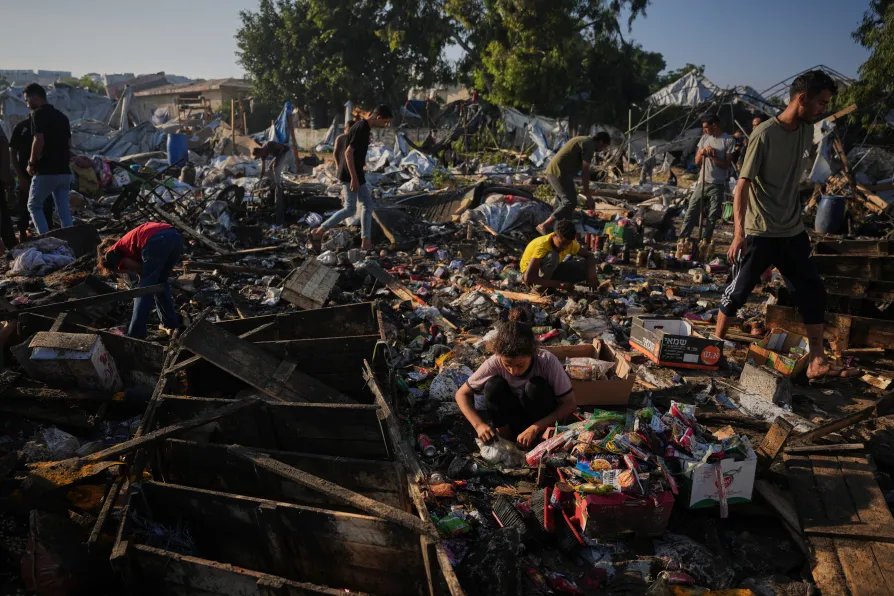
IAN SINCLAIR examines the curious memory lapses across liberal media when it comes to British government crimes
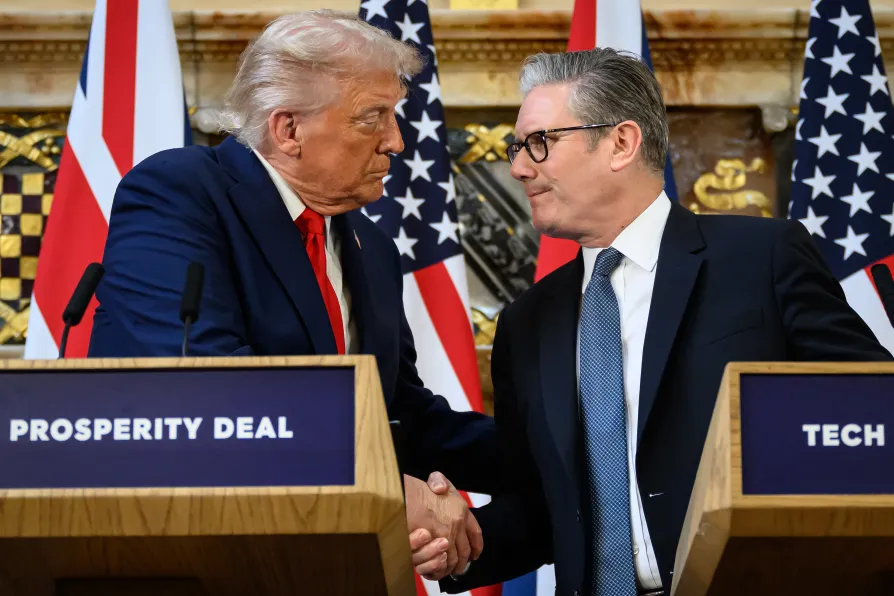
The media present Starmer as staying out of Trump’s war — but we’re already deeply involved in a conflict that sees the US and Israel kill civilians on a huge scale, argues IAN SINCLAIR